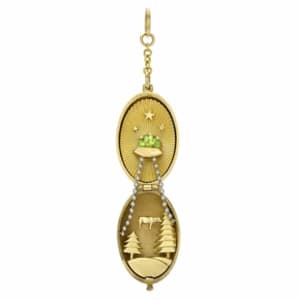
Couture 2026 gold jewelry turns sculptural, vintage-inspired and symbolic
Couture's gold is becoming a frame for color, talismans and antique cues, with the strongest retail signals favoring sculptural settings over plain basics.
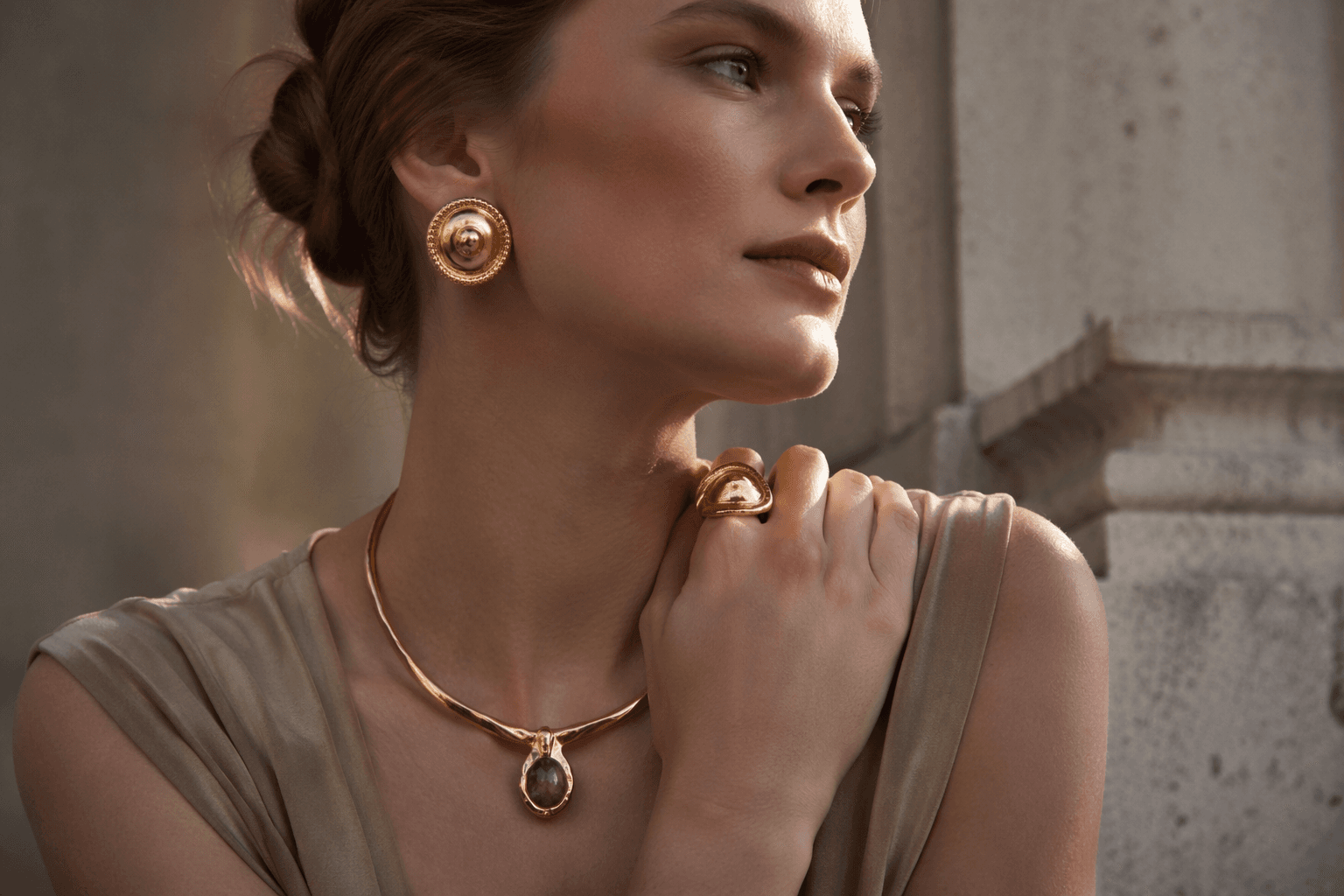
Gold did not vanish from Couture 2026, it got smarter. At Wynn Las Vegas, where roughly 350 exhibitors gathered for the May 27 to 31 fair, the metal showed up in sculptural, heirloom-like forms that made room for vivid stones, lucky symbols, playful motifs and vintage references. The message from the floor was clear: in a year of high gold prices, the pieces most likely to endure are the ones that use gold as a setting, a silhouette and a story, not just a surface.
Gold becomes a frame, not the whole argument
The biggest shift at Couture was not a retreat from gold so much as a rethink of what gold has to do. WWD identified five signals that shaped the fair: color everywhere, storytelling jewelry, whimsy returns, vintage revival and alternative materials. Put together, they describe a market that still values gold’s warmth and prestige, but wants it worked into more dimensional forms, with bold curves, antique-inspired settings and colored stone combinations doing part of the visual labor.
That rebalancing matters because gold prices remained a pressure point in 2026. Other trade coverage around Couture and JCK pointed to designers leaning harder into stones, cords, beads and found objects, while Who What Wear noted that some makers were moving away from gold partly because of its cost. The practical takeaway is that gold is no longer expected to carry a piece alone. It is being asked to justify itself through craft, volume and narrative.
The color story is doing more of the selling
Color was one of the strongest commercial signals on the floor, and it is the easiest to imagine migrating into retail assortments. Designers used opals, tourmalines, multicolored gemstone compositions and opaque stones, often in gold settings that felt more sculptural than conventional. That combination gives buyers a clear formula: keep the metal rich, then amplify it with stones that read lively and collectible.
What is likely to stick
A few gold-forward details looked especially durable for the rest of 2026:
- Sculptural gold with colored stone accents. This is the most commercial of the new directions because it preserves gold’s luxury signal while adding color that feels fresh in store.
- Antique-inspired settings. These read as heirloom-coded rather than trend-led, which gives them staying power, especially for customers who want pieces to feel inherited even when they are newly made.
- Symbolic pendants and charm-like motifs. Personal symbols and lucky charms were everywhere in the storytelling jewelry category, and gold makes them feel less cute, more keepsake-like.
- Vintage gold with archival references. Bold gold work and older-looking silhouettes connect naturally to retailers’ growing focus on estate jewelry and heirloom-worthy design, making this one of the safest bets for broader adoption.
- Mixed-material constructions. Cords, beads and found objects are the more experimental edge of the story. They are useful in press and on fair floors, but their durability in fine jewelry will depend on whether designers can make them feel intentional rather than improvised.
Whimsy is back, but only some of it will last
Playful motifs returned in conversation-starting pieces, a sign that jewelry buyers are again open to wit and surprise. Still, not every humorous design will translate into a strong retail category. The versions that should move forward are the ones anchored by serious materials or strong gold workmanship, because whimsy alone can feel like trade-show theater.
That distinction is important in gold. When the metal is expensive, novelty has to earn its place. A whimsical brooch or charm works best when it still looks substantial, hand-finished and worth keeping. In other words, the joke has to be built in gold, not just painted onto it.
Vintage cues now feel commercially grounded
Vintage revival was one of the clearest through lines at Couture, and here gold looked especially persuasive. Antique-inspired settings, colored stone combinations and archival references gave pieces a sense of history without feeling museum-like. WWD’s point about retailers’ growing focus on estate jewelry and heirloom-worthy design helps explain why this direction has traction: it aligns with what buyers already know how to sell.
This is where gold has an advantage over lighter, trendier materials. It naturally carries the weight of precedent. In a market that is asking consumers to justify bigger purchases, gold pieces that look inherited, reworked or lovingly preserved offer a stronger emotional argument than plain basics ever could.
Why Couture still matters to the trade
Couture is not a broad consumer spectacle. Forbes describes it as a tightly qualified trade event, and that curation gives the trends more weight. The fair’s broader programming reinforced that role: a live discussion with Trendvision founder Paola De Luca on May 28, a De Beers-sponsored bridal discussion on May 29, the annual Couture Design Awards and the Belonging @ Couture mentorship program all underscored that the show is as much about shaping the next phase of design as it is about selling the current one.
This year’s Belonging @ Couture initiative included seven emerging designers, under the theme Iridescence by Couture. That matters because the most durable trends often emerge where fresh talent meets market discipline. Couture’s exhibitors are responding to gold prices, tariffs and changing consumer preferences, but they are also still committed to craftsmanship and point of view. The result is a gold market that feels less flat, more tactile and more wearable in the real world.
The clearest conclusion from Las Vegas is that gold is not being abandoned, it is being edited. The strongest pieces are sculptural, symbolic and antique-leaning, with color or alternative materials doing the work that plain metal once did alone. That is the version of gold most likely to move from Couture’s showcases into 2026 retail, because it feels both desirable and defensible.
This article was produced by Prism’s automated news system from verified source data, official records, and press releases, then run through automated quality and moderation checks before publishing. The system is built and supervised by the people who set the standards it runs under. Read our full AI policy.
Did this article answer your question?