Cove Fine Jewelry turns mahjong tiles into 14k gold charms
Cove Fine Jewelry has turned mahjong tiles into 14k gold charms, with a $3,600 diamond-bailed version signaling how hobby-coded jewelry is becoming collectible.
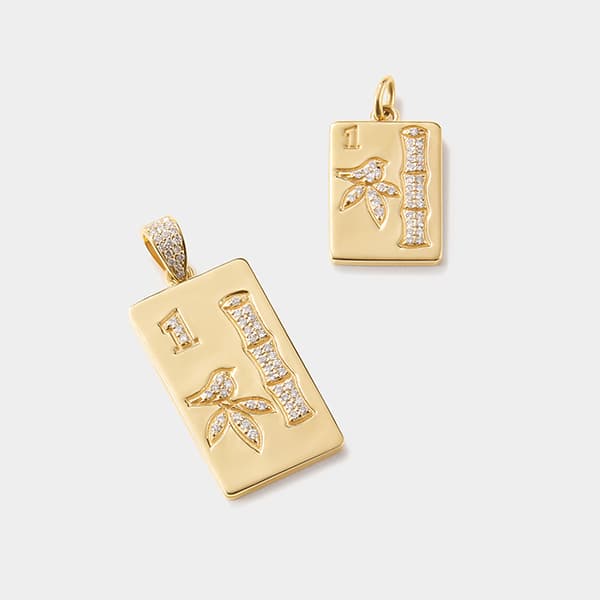
Mahjong is moving from the table to the jewelry box. Cove Fine Jewelry has teamed with Bam! Let’s Mahjong on limited-edition charms modeled after tiles in the brand’s Garden Party set, translating a game long tied to ritual and social gathering into 14k yellow or white gold pieces set with lab-grown diamonds.
The two handcrafted charms come in two sizes. The smaller is priced at $3,000, while the larger version, which adds a lab-grown diamond bail, is $3,600. A charm bracelet version is listed at $3,800 on the JCK story page, a price that places the collection squarely in fine-jewelry territory rather than novelty merch. Bam! Let’s Mahjong also describes the charm as designed for bracelets, necklaces, and curated charm collections, which gives the launch a flexible, stackable life beyond a single themed pendant.
That versatility is the point. Cove founder Alyson Iarrusso said the collaboration was meant to celebrate what mahjong means to people and to highlight “the creativity and spirit” of another female founder, Lisa Munz, who runs Bam! Let’s Mahjong. Munz, for her part, framed the game as “far more than a game,” calling it a ritual of connection and a tradition that can feel as enduring as a family heirloom. The result is less a cute symbol than a coded object, one that signals belonging to a community as much as taste.
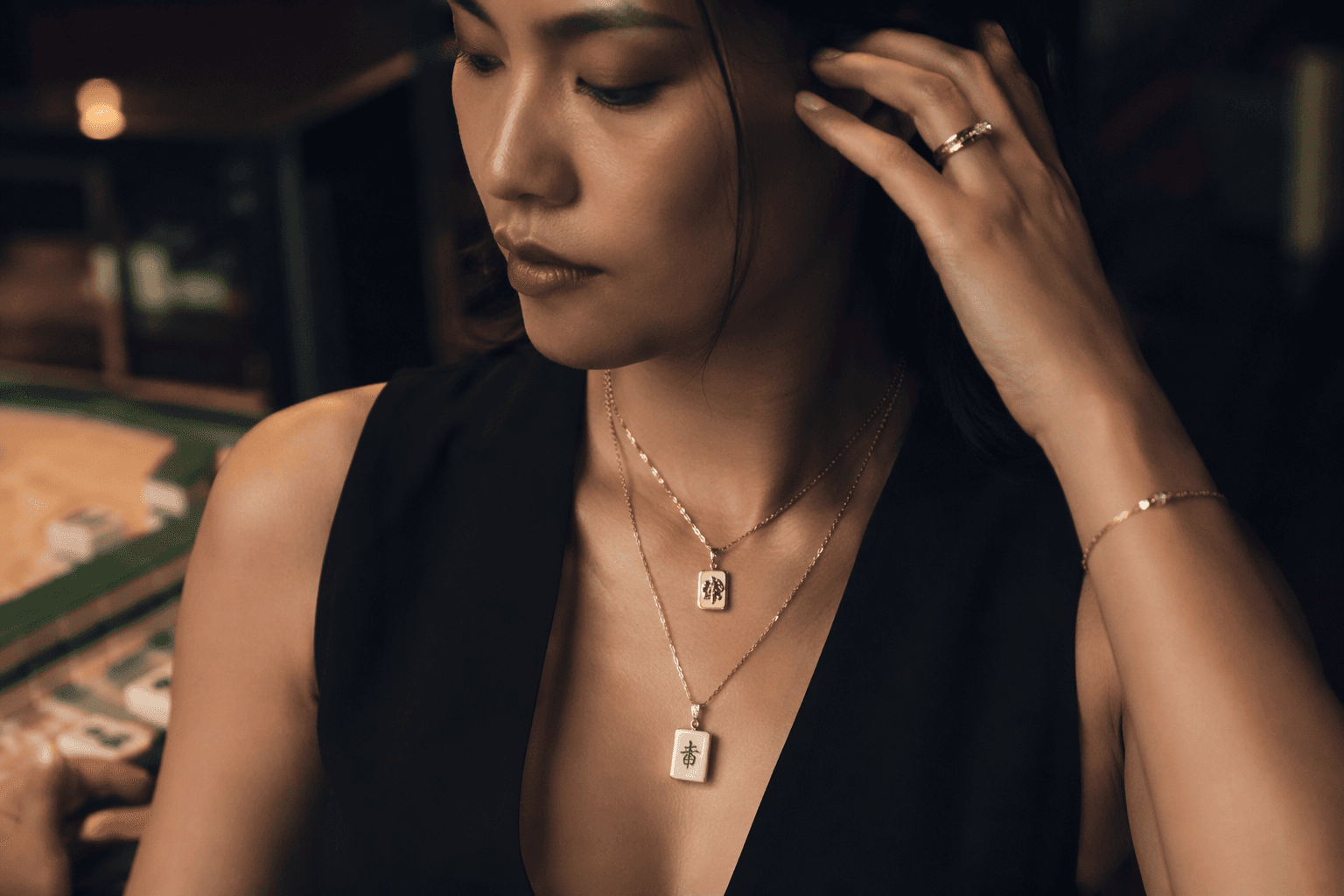
The timing makes sense. The National Mah Jongg League says mahjong was introduced in the United States in 1920, and that the league was founded in New York City in 1937 to standardize hands and rules. It now says it has more than 350,000 members. That legacy helps explain why the game has been finding new life among younger consumers, especially as Smithsonian noted in February 2025 that mahjong clubs, hotel events, and pop-up social clubs were drawing Gen Zers and millennials, including a 700-person Green Tile Social Club event in Brooklyn.
For jewelry, that resurgence matters because it points to a bigger shift in charm buying. Initials and zodiac signs still have their place, but mahjong charms carry a sharper social charge: they reference a hobby, a table, a circle of friends, even a family tradition. Forbes has described the game’s appeal as rooted in nostalgia, connection, and a desire for experiences with heritage and purpose, and that is exactly the emotional territory these gold pieces now occupy.
This article was produced by Prism’s automated news system from verified source data, official records, and press releases, then run through automated quality and moderation checks before publishing. The system is built and supervised by the people who set the standards it runs under. Read our full AI policy.
Did this article answer your question?