Five Bold Trends Reshaping Jewelry Demand and Design in 2026
Rapaport's Taylor Dizor names five demand drivers rewriting the jewelry case in 2026: nostalgia, sculptural form, personal narrative, maximalism, and color.
The question facing every jeweler in 2026 is no longer which metals are selling or which stone shape is trending. It is something harder to quantify and far more urgent: what do people actually want their jewelry to *mean*? The answer, according to a Rapaport analysis by Taylor Dizor, arrives in five distinct but interconnected themes, each one pointing toward a buyer who is thoughtful, emotionally motivated, and unwilling to settle for a piece that doesn't earn its place.
Vintage-Inspired Design: The Pull of Permanence
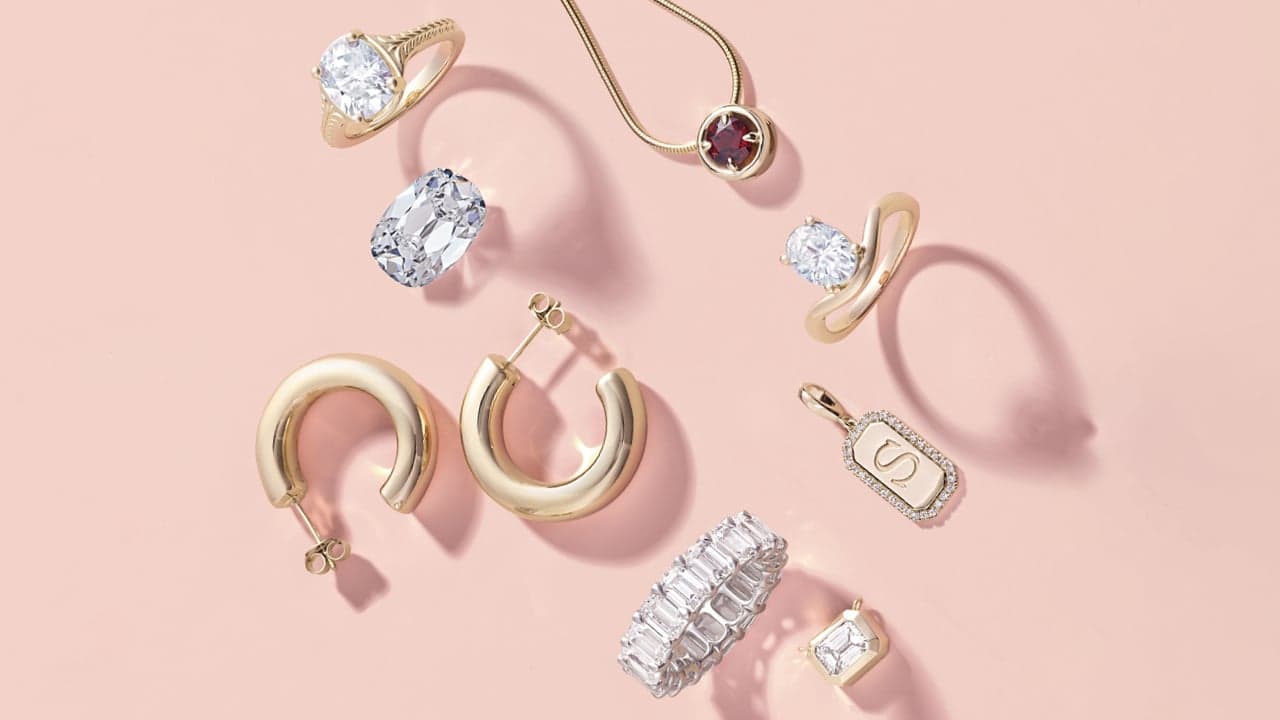
Vintage-inspired jewelry continues to resonate, but not because customers are looking backward; they're looking for permanence. In a world that moves quickly and feels increasingly disposable, vintage-style designs offer a sense of heritage, craftsmanship, and staying power. Intricate engraving, decorative metalwork, and antique-inspired stone cuts, including elongated cushions, marquise silhouettes, and old mine cuts, give modern designs a sense of depth and romance. Art Deco influences remain strong, while subtle nods to Retro eras add personality. The appeal here is partly gemological: as lab-grown diamonds become more common, antique cuts provide something one of a kind. These designs perform especially well for engagement rings and milestone gifting because they feel rooted in something lasting. Customers are drawn to the idea that their jewelry already carries a story even before they make it their own.
Organic, Sculptural Form: Metal as Movement
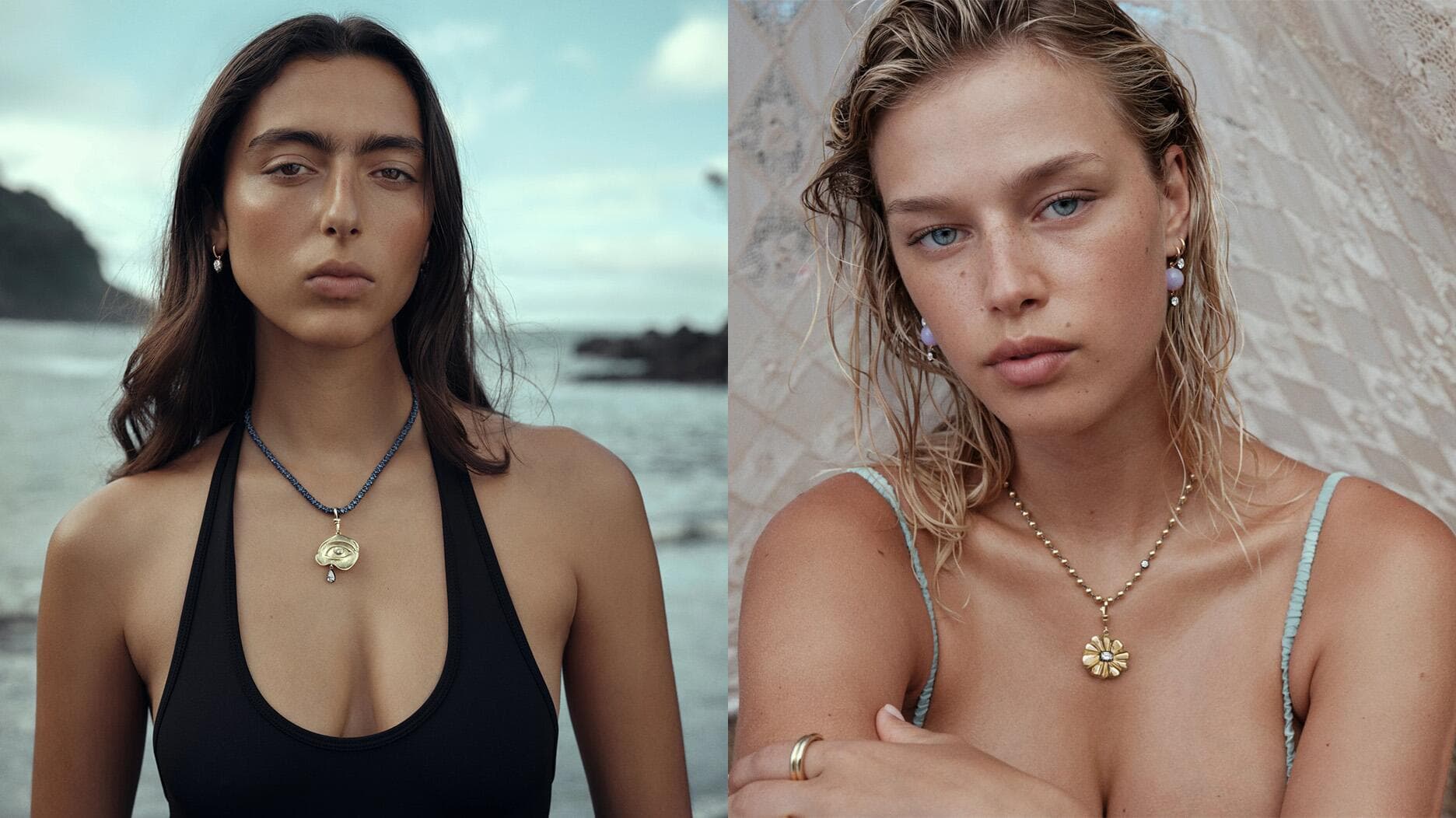
Soft, fluid lines and sculptural silhouettes are redefining fine jewelry design in 2026. Inspired by nature and artistry, these pieces celebrate movement, asymmetry, and organic form. Curves replace sharp angles, resulting in designs that feel effortless, expressive, and deeply wearable. Abstract shapes, freeform metalwork, and stones with captivating visual textures, such as Moss Agate, baroque pearls, or other uniquely patterned gems, take center stage. These designs lean into femininity and flow, creating jewelry that feels as much like art as it does adornment. The cultural underpinning of this shift is significant. As Dizor writes, "This trend mirrors broader cultural movements toward fluidity and self-expression. Jewelry is becoming less about the status quo and more about feeling. Customers are responding to designs that allow them to interpret and style pieces in their own way." Gold is becoming bolder, freer, and less symmetrical. The sculptural movement reimagines metal as fluid art, shaped by instinct rather than precision. Surfaces twist, curve, and fold in ways that feel organic and tactile. This is jewelry meant to be touched as much as seen.
Storytelling: A Personal Narrative
Personalization has long been a reliable revenue driver in fine jewelry, but the category has fundamentally shifted. It is no longer enough to offer an engraved monogram on the back of a pendant and call it custom. As the Rapaport analysis puts it: "Personalization remains one of the strongest drivers in jewelry purchasing, but what's changed is how consumers want to personalize. It's no longer about surface-level customization; it's about storytelling." The specific mechanisms of that storytelling are tactile and emotionally precise: "Engraved initials, meaningful dates, birthstones, and symbolic details transform jewelry into keepsakes that mark relationships, achievements, growth and remembrance." The resulting pieces are deeply private objects. "These pieces often carry layered meaning, something only the wearer fully understands."
The retail implications extend well beyond the transaction. Personalization continues to be one of the most powerful drivers in jewelry purchasing, and in 2026, it's all about storytelling. These designs go beyond aesthetics, allowing wearers to carry names, dates, symbols, and milestones close to the heart. Engraved initials, meaningful dates, birthstones, symbolic shapes, and subtle design elements transform jewelry into deeply personal keepsakes. Whether commemorating relationships, achievements, or self-expression, these pieces are designed to reflect the wearer's unique journey. Today's consumers are placing greater value on meaning over mass appeal. Story-driven jewelry naturally invites conversation, builds trust, and encourages repeat visits. When jewelry reflects a customer's life rather than a momentary trend, it becomes an investment worth keeping.
Maximalist Appeal: A Shift in Confidence
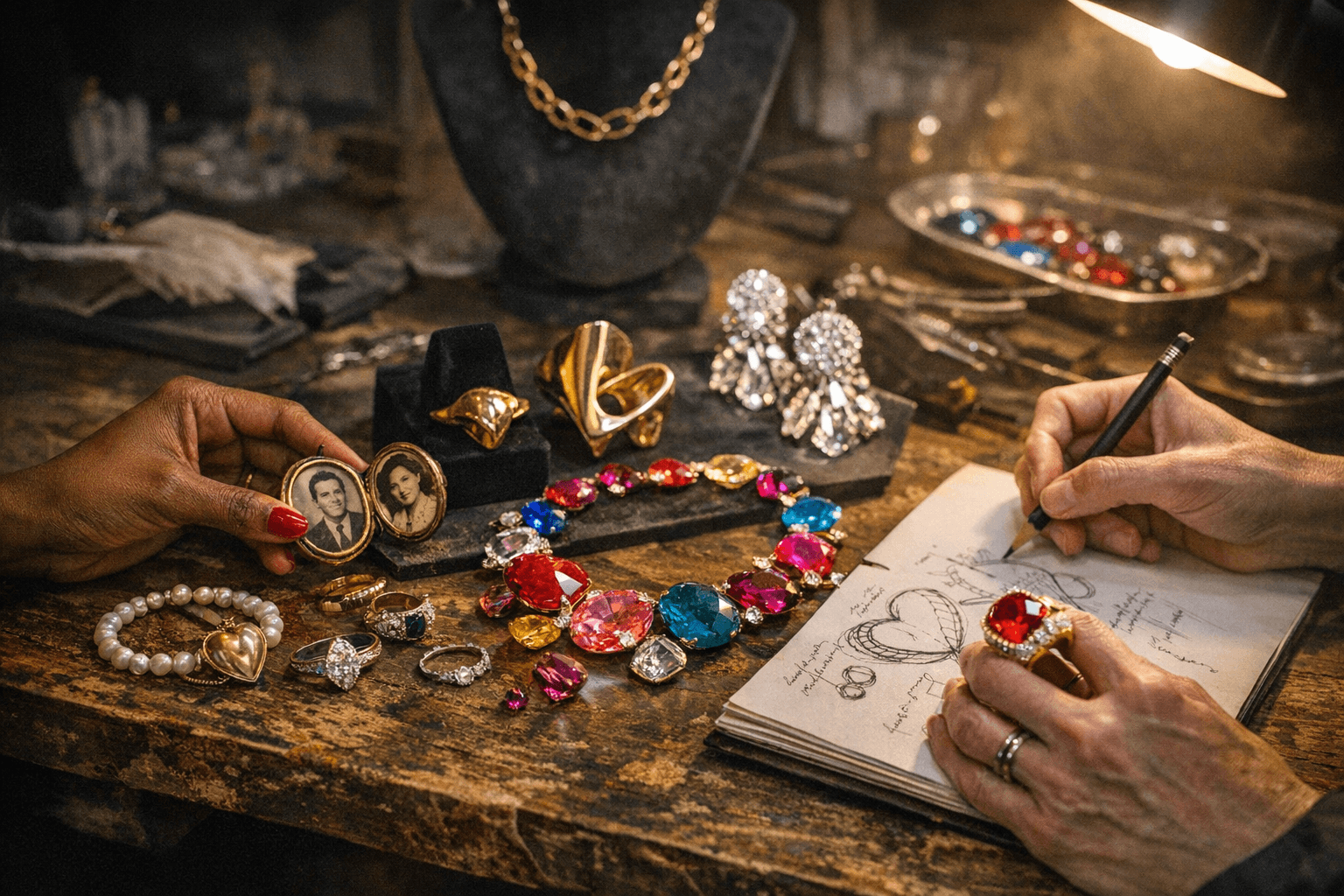
After years of minimalism dominating design, bold jewelry is making a confident return. Maximalist styles, such as oversized silhouettes, metal-forward designs, and stones with large carat weights, reflect a renewed appetite for visibility and self-assurance. Consumers are increasingly choosing fewer, more impactful pieces rather than large quantities of understated styles. Statement jewelry delivers immediate emotional payoff. It feels indulgent, celebratory, and worthy of investment. What distinguishes the 2026 maximalist from her predecessor is intention. These designs are no longer reserved for special occasions. Many customers are adopting bold pieces as part of their everyday identity, to wear repeatedly and confidently without explanation. The aesthetic signature of this moment is the chunky gold silhouette: substantial link chains, wide bezel-set rings, cuffs with genuine visual weight. Jillian Sassone, founder of Marrow Fine Jewelry, puts it plainly: "Jewelry in 2026 feels sculptural, statement-making and personal." The rising trends in necklaces, earrings, bracelets, and rings are all about maximalism and individuality, and that marks a big change in the market.
Color: Symbolism at the Center
Color continues to play a large role in jewelry design, not just for its visual appeal, but also for its symbolism. This fifth theme is in many ways the through-line that unifies the other four: a vintage-cut Montana sapphire carries history; a freeform gold setting cradling a vivid emerald is sculptural by nature; a birthstone chosen for its personal meaning is the personalization trend made literal. Color is back in fine jewelry with real confidence. Sapphires, emeralds, amethysts, and turquoise are appearing in sculptural yellow gold settings across SS26 collections at Balmain, Michael Kors, and Etro. Enamel is following the same trajectory, with designers sweeping vivid greens and cobalt blues across curved metal in forms that feel painted rather than set. Yellow gold is making a strong comeback in 2026, especially in bold cuffs, chain necklaces, and vintage-inspired rings, and its warm register makes it the ideal foil for the saturated stones dominating this season's most compelling pieces.
The Takeaway for the Trade
The throughline across all five themes is a consumer who has grown more discerning, not less. Dizor's analysis for Rapaport is direct on this point: "Selling jewelry is not just about carat weight or metal quality. It's about listening, storytelling, and helping customers articulate what they want their jewelry to represent." These 2026 jewelry trends point to consumers who are thoughtful, expressive, and emotionally driven. Today's buyers want jewelry that feels intentional. They look for pieces that reflect identity, mark milestones, and stand the test of time.
The jewelers who will move the most meaningful pieces this year are the ones who understand that a sale is really a conversation, and that the best assortments balance beauty with meaning rather than simply following what is momentarily fashionable. In a market shaped by feeling, the most durable competitive advantage is the ability to listen.
Know something we missed? Have a correction or additional information?
Submit a Tip