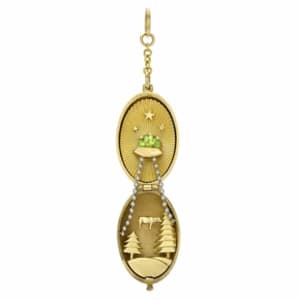
Gold prices force designers to rethink materials, production, presentation
Gold’s price surge is forcing a harder edit: fewer SKUs, leaner weights, mixed materials, and more made-to-order pieces.

Gold is no longer just the setting for a design idea; it is the cost that is reshaping the idea itself. As prices stay elevated, designers are trimming SKU counts, recalibrating piece weights, and building collections around a narrower set of styles that can survive tighter margins without looking stripped down.
The most visible shift is in assortment planning. Instead of flooding the case with dozens of near-identical variations, brands are leaning into fewer, more deliberate models and asking each one to do more work. That means a cleaner line sheet, less duplication across sizes and silhouettes, and a sharper focus on styles that can carry a higher ticket without requiring a dramatic increase in gold content. The result is a more disciplined business, but also a more selective one: every gram has to earn its place.
Materials are changing with the same logic. Designers are mixing gold with other metals and non-gold elements to preserve volume, color contrast, and visual impact without letting bullion weight dictate the final retail price. That is where the difference between real design intelligence and simple cost cutting becomes clear. A thoughtful mixed-material piece can create tension, texture, and dimension. A piece that only looks thinner because the metal was removed is a different story entirely.
Made-to-order is another pressure valve. It lets brands avoid overcommitting to inventory that may be too expensive to produce at scale, especially in categories where the gold itself, not the labor, now drives the cost equation. That model also gives retailers a way to keep choice alive while reducing the risk of carrying too many slow-moving, high-cost styles. For buyers, it means the most substantial pieces may arrive with a longer lead time, but often with a more considered build.
The diamond conversation is changing too. In gold-heavy diamond jewelry, the mount can no longer play a supporting role in the budget. Designers have to decide when a stronger, more sculptural gold presence is worth the added cost, and when the metal should step back so the stone remains the focus. That balancing act is becoming one of the defining tests of contemporary fine jewelry: not whether a piece can be made in gold, but how much gold it can afford to become.
This article was produced by Prism’s automated news system from verified source data, official records, and press releases, then run through automated quality and moderation checks before publishing. The system is built and supervised by the people who set the standards it runs under. Read our full AI policy.
Did this article answer your question?