India weighs idle temple gold to ease bullion import pressure
India’s bullion lobby floated nearly 1,000 tonnes of idle temple gold as import pressure rose, but the finance ministry quickly called any temple-gold plan false.

India’s bullion lobby has put nearly 1,000 tonnes of idle temple gold at the center of a supply rethink, arguing that dormant metal could help relieve import pressure, soften foreign-exchange stress and protect jewelry-sector jobs. The question is whether that is a workable source of bullion or a symbolic gesture that sounds larger than the logistics behind it.
The proposal, backed by the India Bullion and Jewellers Association, lands at a moment when the government is already squeezing gold flows. India raised import tariffs on gold and silver to 15% from 6% on May 13, a blunt move aimed at curbing overseas purchases and easing pressure on foreign-exchange reserves. Prime Minister Narendra Modi has also urged citizens to cut back on gold buying as the country’s current account balance comes under strain. Against that backdrop, the association reportedly urged members to restrict bullion sales above 5 grams, signaling how seriously the trade is taking everyday demand as part of the import problem.
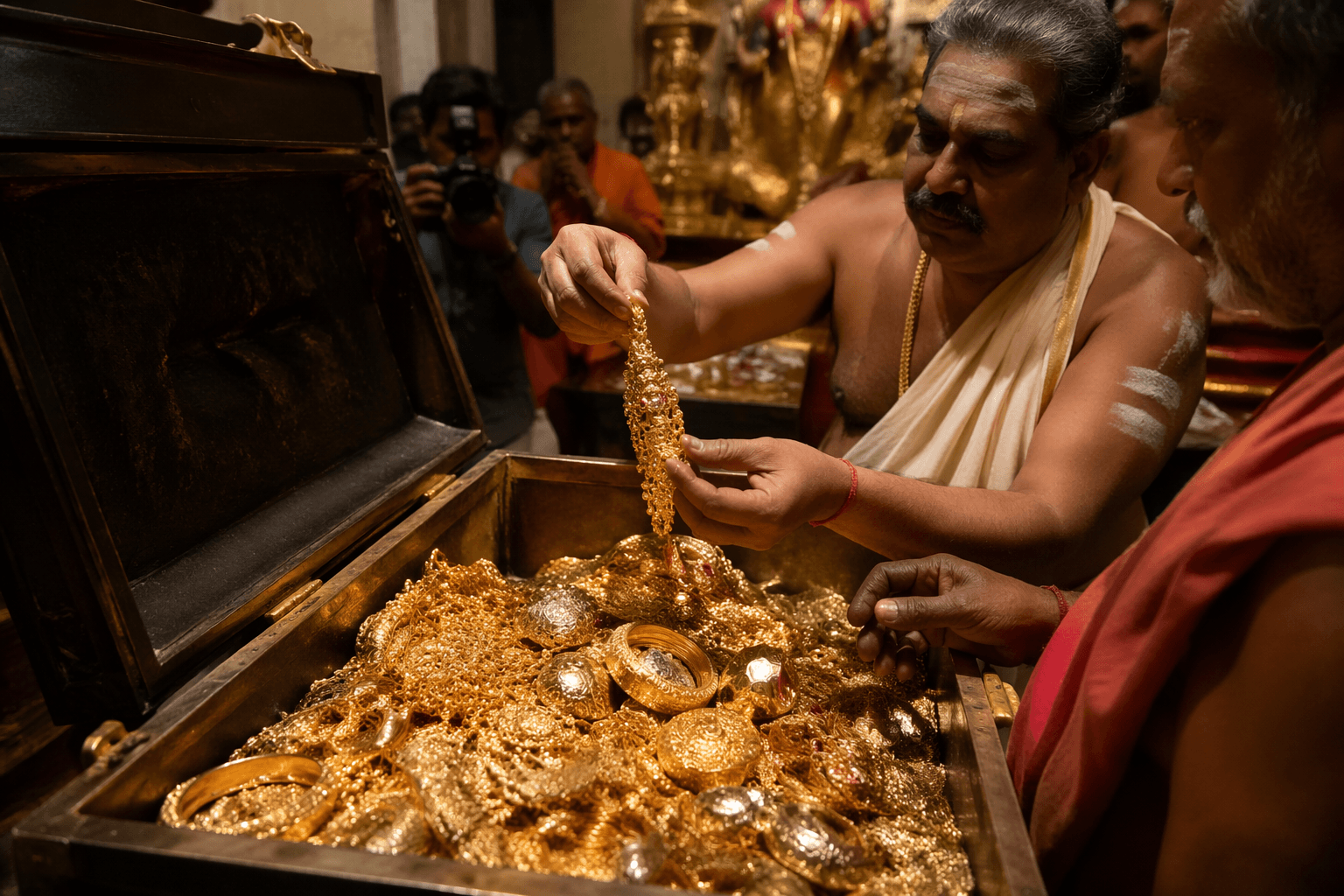
On paper, mobilizing temple gold echoes an older policy logic. The Reserve Bank of India’s Gold Monetization Scheme directions, issued in 2015, were designed to mobilize gold held by households and institutions and reduce reliance on imported metal. That precedent matters because it shows the state has long seen idle gold as a balance-sheet asset, not just a devotional one. But temple trusts are a different proposition from households: the trust barrier is higher, the custody questions are more sensitive, and the route from ceremonial gold to saleable bullion would be far more politically charged.
That tension sharpened when the finance ministry issued a sharp denial on May 19, saying claims that the government planned to monetize gold held by temple trusts or religious institutions were completely false, misleading and without any basis. It also rejected the idea that gold on temple towers, doors or other structures would be treated as strategic reserves. In effect, the ministry drew a line between an industry idea and a central-government policy.
For jewelry makers and retailers, the distinction is everything. India’s immediate need is not an abstract stock of ornamental gold, but a reliable flow of metal that can be refined, financed and delivered into manufacturing and retail channels without provoking mistrust. Temple gold may be vast on paper, yet until the government, religious institutions and the trade agree on ownership, valuation and distribution, it remains more a test of political imagination than a practical answer to bullion shortages.
Know something we missed? Have a correction or additional information?
Submit a Tip