India's gold import curbs squeeze jewellers as demand weakens
Gold is getting pricier to import and harder to sell, leaving Indian jewellers caught between tighter supply and buyers who are already hesitating.

Gold in India has entered a squeeze from both sides. Import duties jumped to 15% from 6% on May 13, a sharp 9-percentage-point increase that lifted landed costs just as demand was already softening. The World Gold Council called it the steepest duty hike on record, and the timing could hardly be worse for a trade that depends on both steady inflows and confident retail buying.
A tighter supply chain meets a weaker market
The government did not stop at the tariff rise. It also capped duty-free gold imports for jewellery exporters at 100 kilograms per licence under the Advance Authorisation scheme, while the Directorate General of Foreign Trade tightened compliance with fresh monitoring conditions. For jewellers, that means less flexibility in sourcing metal and more scrutiny on how imported gold is used.
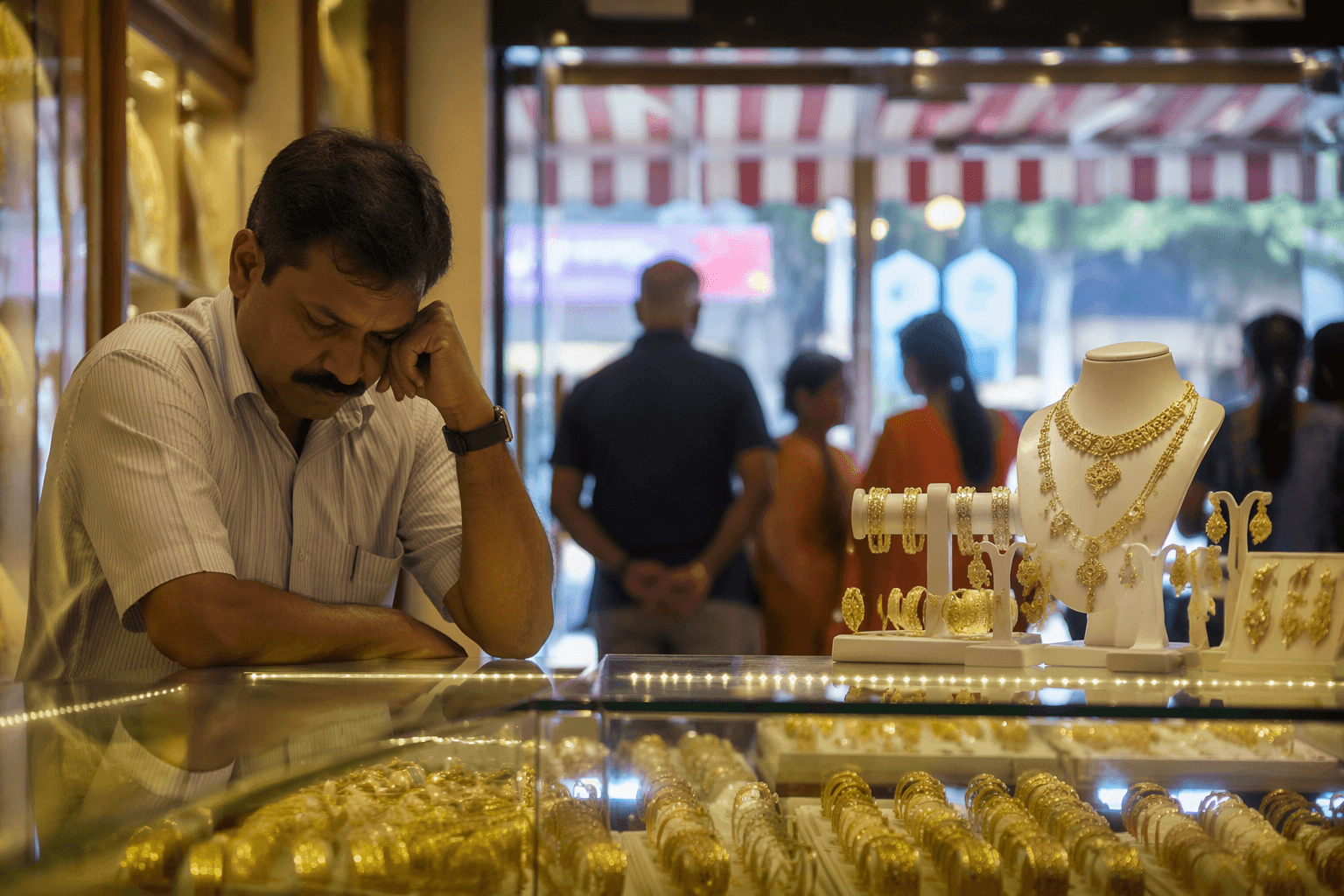
The result is a market where fresh supply is more expensive, and every gram has to work harder. When imported gold costs more to land in India, retailers feel pressure on margins long before the customer reaches the counter. That pressure is especially acute for wedding and gifting pieces, where buyers compare weight, workmanship, and price with unusual care.
Why prices are not fully telling the whole story
One of the strangest features of this moment is that domestic prices have not fully caught up with the duty increase. The World Gold Council said weak demand and ample supply have kept local markets at a deep discount to landed prices. In plain terms, gold is costing more to bring in, but the retail market is not absorbing that jump cleanly.
That mismatch leaves jewellers stuck between two bad options: raise prices and risk losing sales, or hold prices and accept thinner margins. It also explains why many stores are leaning into lighter-weight designs, smaller ticket sizes, and exchange-led purchases. When fresh metal is expensive and demand is cautious, the winning inventory is not the heaviest necklace in the case but the piece that looks substantial without carrying too much gold weight.

What shoppers are likely to notice first
For buyers, the squeeze shows up in subtle but important ways. Pieces may become lighter, settings may use less gold, and collections may tilt toward designs that appear full in profile while using fewer grams beneath the surface. Bridal buying, which usually depends on confidence and cash flow, is especially vulnerable when families feel price pressure and choose to delay rather than commit.
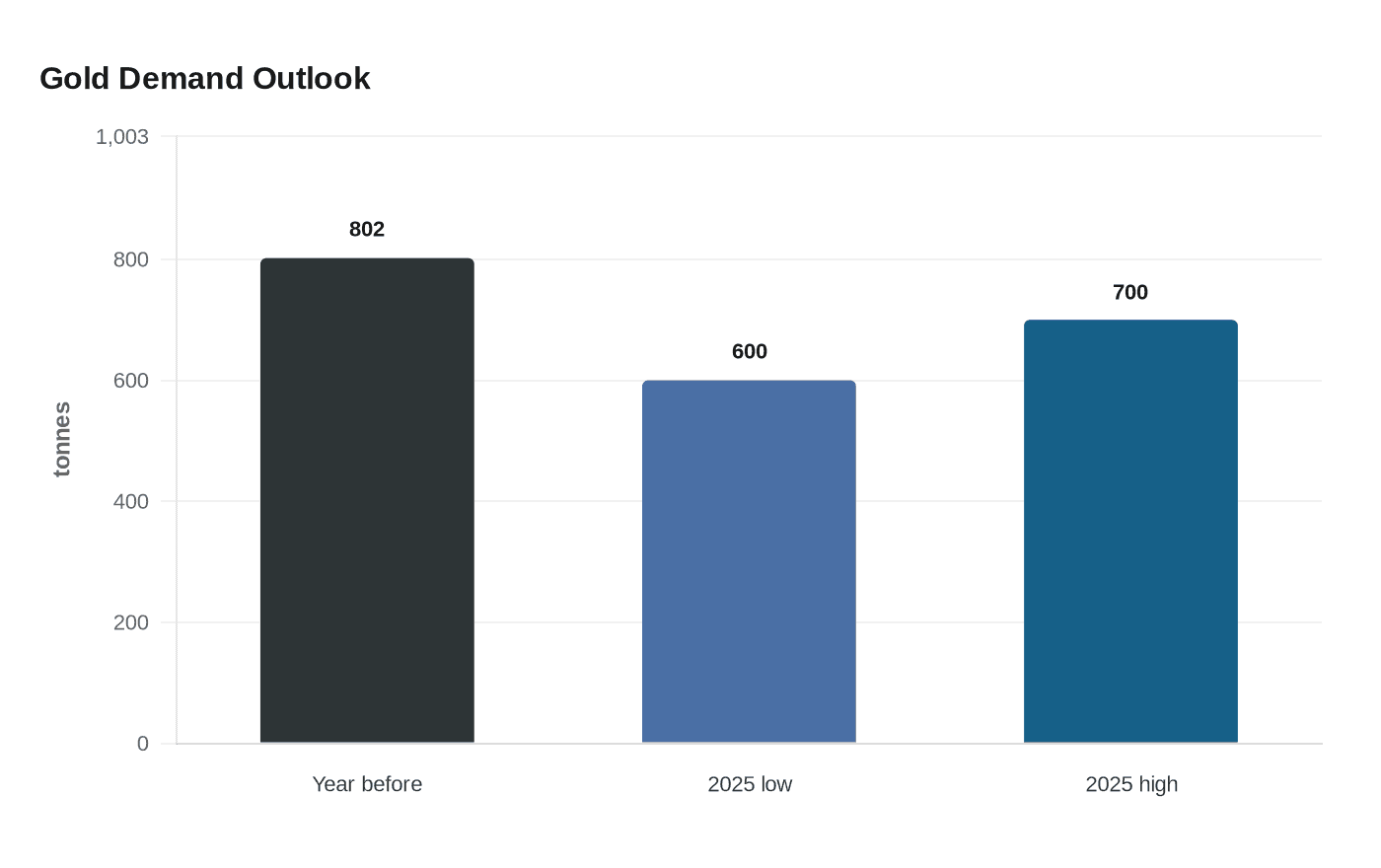
That delay matters because India’s gold market is already coming off a weak year. Reuters reported in July 2025 that consumption was expected to fall to 600 to 700 tonnes in 2025, a five-year low, down from 802 tonnes the year before. The World Gold Council now expects jewellery plus bar-and-coin demand to fall by another 50 to 60 tonnes in 2026, or roughly 10% year on year. When the market is shrinking as prices climb, postponement becomes a survival strategy for both shoppers and sellers.

Old gold is becoming the safer inventory
The more expensive fresh imports become, the more appealing old-gold recycling looks to the trade. Recycled metal reduces dependence on overseas supply, eases the pressure created by the 15% duty, and gives jewellers a way to keep inventory moving without betting everything on new buying. For customers, exchange programs and buyback schemes can soften the sting of higher prices, but they also change the terms of the transaction: purity checks, making charges, and final valuation suddenly matter more.
That shift has a practical consequence for shoppers. The market may reward those who trade in old pieces, but it also makes it easier for retailers to steer customers toward lower-weight items or simpler purity mixes when the goal is to keep a sale alive. In a high-price environment, old gold is not just a sourcing tactic, it is a way for the industry to keep making jewelry without constantly importing more of it.
A familiar policy risk returns
There is another reason traders are uneasy. The World Gold Council warned that past duty hikes have tended to increase unofficial inflows, a reminder that higher barriers do not always eliminate demand, they can merely reroute it. India is the world’s second-largest gold consumer, so decisions taken in New Delhi ripple quickly through jewellers, traders, investors, and the rupee itself.
That makes this latest crackdown more than a temporary squeeze. It is a test of how much of India’s gold demand can be met through recycled stock, slimmer designs, and stricter controls before the market starts looking elsewhere. For now, the trade is learning to live with less imported gold and more hesitation at the counter, and that may be the shape of the market for months to come.
Know something we missed? Have a correction or additional information?
Submit a Tip