India’s Gold Jewelry Demand Stays Strong as Buyers Shift to 18K, 14K
India’s buyers are still buying gold, but as much as 45% of consumption is now drifting into investment, while 18K and 14K jewelry win on price.
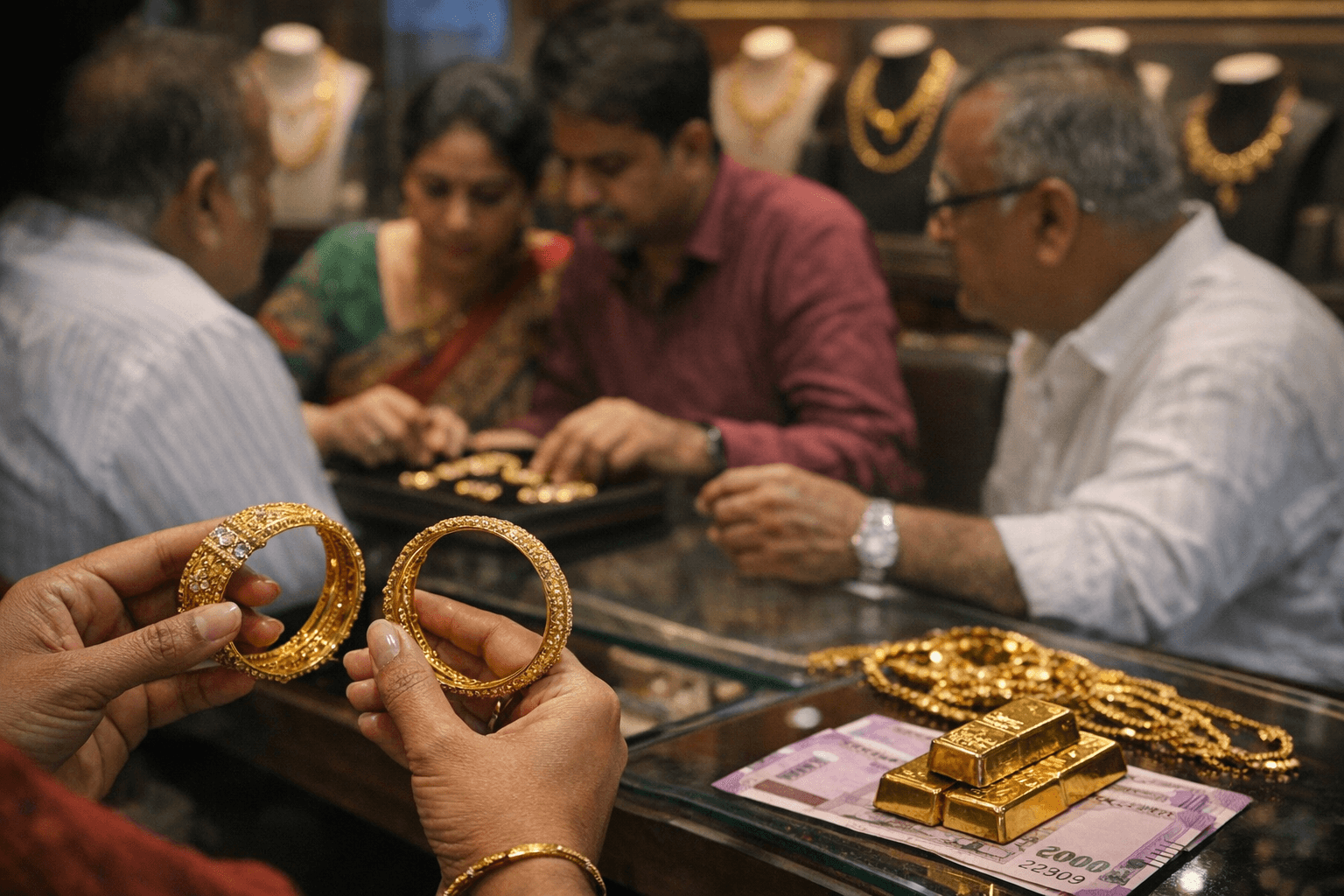
India’s gold market is still resilient, but the way people spend on gold is changing fast. Praveen Govindu, a partner at Deloitte India, says investment demand has climbed to 40% to 45% of total consumption, a striking shift for a country where gold has long been worn as much as it is stored.
That rebalancing is showing up first in the jewelry case. Buyers are moving toward lower-purity pieces such as 18K and 14K, a clear response to elevated prices and tighter household budgets. The World Gold Council says 22K jewelry still remains the preferred choice in India, but demand for 18K and 14K has risen as consumers look for lighter designs and fixed-budget buying. In practical terms, that means more gold jewelry is being bought with cost control in mind, not just ornament. Lower karatage trims the gold content, which lowers the ticket price and usually softens resale value compared with 22K, but it also opens the door to more fashion-led settings, finer chains, and slimmer bangles that look current without carrying the weight of traditional bridal sets.
The broader market backdrop helps explain the turn. Global gold demand hit a record in 2024, annual investment reached 1,180 tonnes, and bar-and-coin demand held at 1,186 tonnes. India stood out because jewelry demand volume fell only 2% even as gold hit multiple record highs, a far smaller decline than China’s 24% drop. Weddings and festivals still drive the market, and bridal jewelry alone accounts for at least half of India’s gold jewelry share, so the category is not losing its cultural anchor. It is simply being repriced for a more cautious buyer.
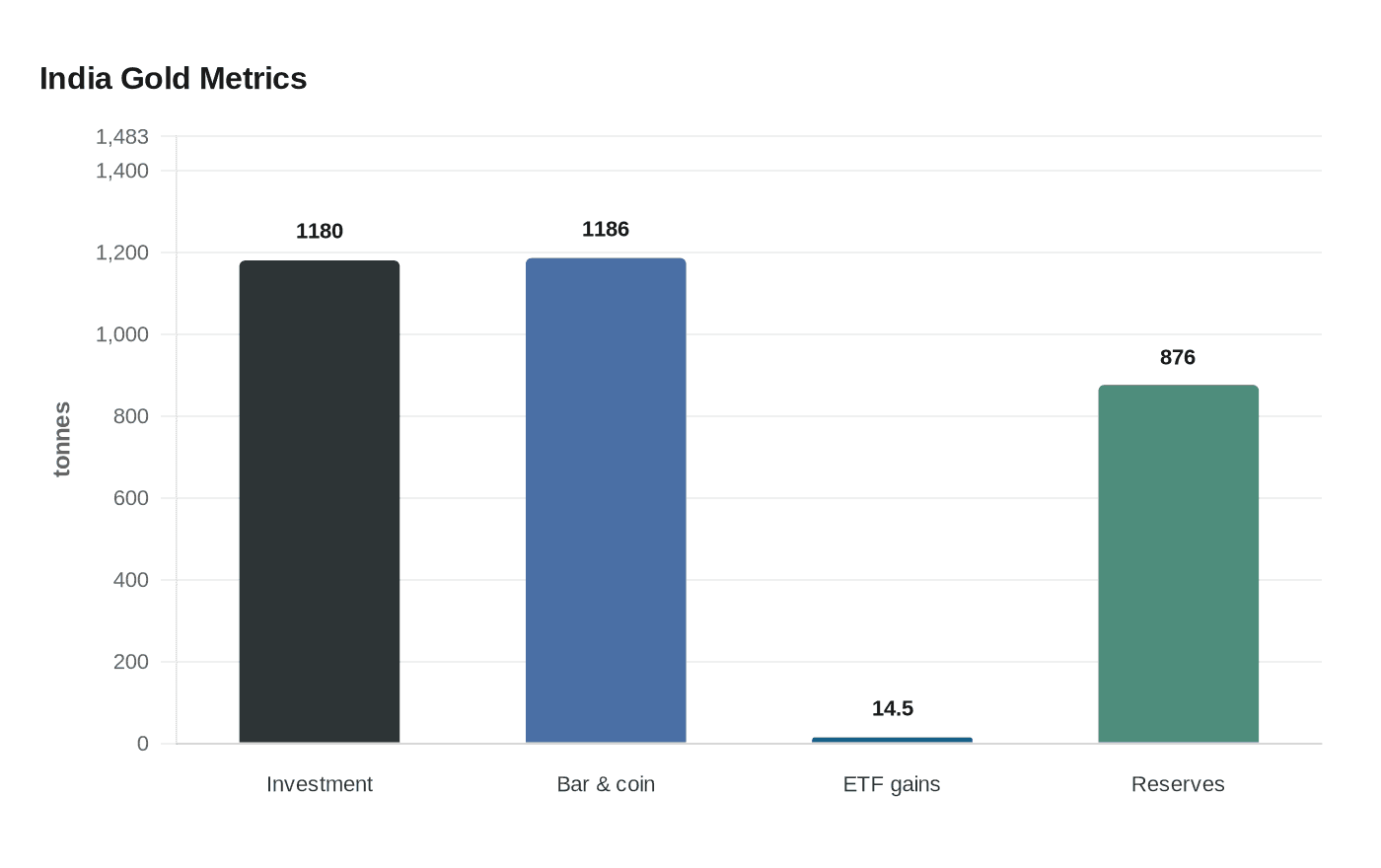
Policy has also helped formal channels stay competitive. India cut its gold import duty from 15% to 6% effective July 24, 2024, the sharpest reduction on record and the lowest since June 2013. That move improved the economics of legal imports and was widely seen as a blow against smuggling. At the same time, investors kept adding to paper and physical gold: Indian gold ETFs gained 14.5 tonnes year-to-date by December 2024, and the Reserve Bank of India’s gold reserves rose to 876 tonnes after continued buying.
The latest reading from the market suggests this split behavior is not fading. Demand during Akshaya Tritiya was muted by record prices, but investment buying picked up modestly. For India’s jewelers, the next phase of growth may belong less to heavy 22K wedding suites than to leaner, lower-karat pieces that fit both the display case and the monthly budget.
This article was produced by Prism’s automated news system from verified source data, official records, and press releases, then run through automated quality and moderation checks before publishing. The system is built and supervised by the people who set the standards it runs under. Read our full AI policy.
Did this article answer your question?