Kinetic jewelry steals the show as gold prices reshape design
Kinetic jewelry turned gold’s price pressure into design advantage, with spins, flips and hidden details making pieces feel more wearable and shareable.
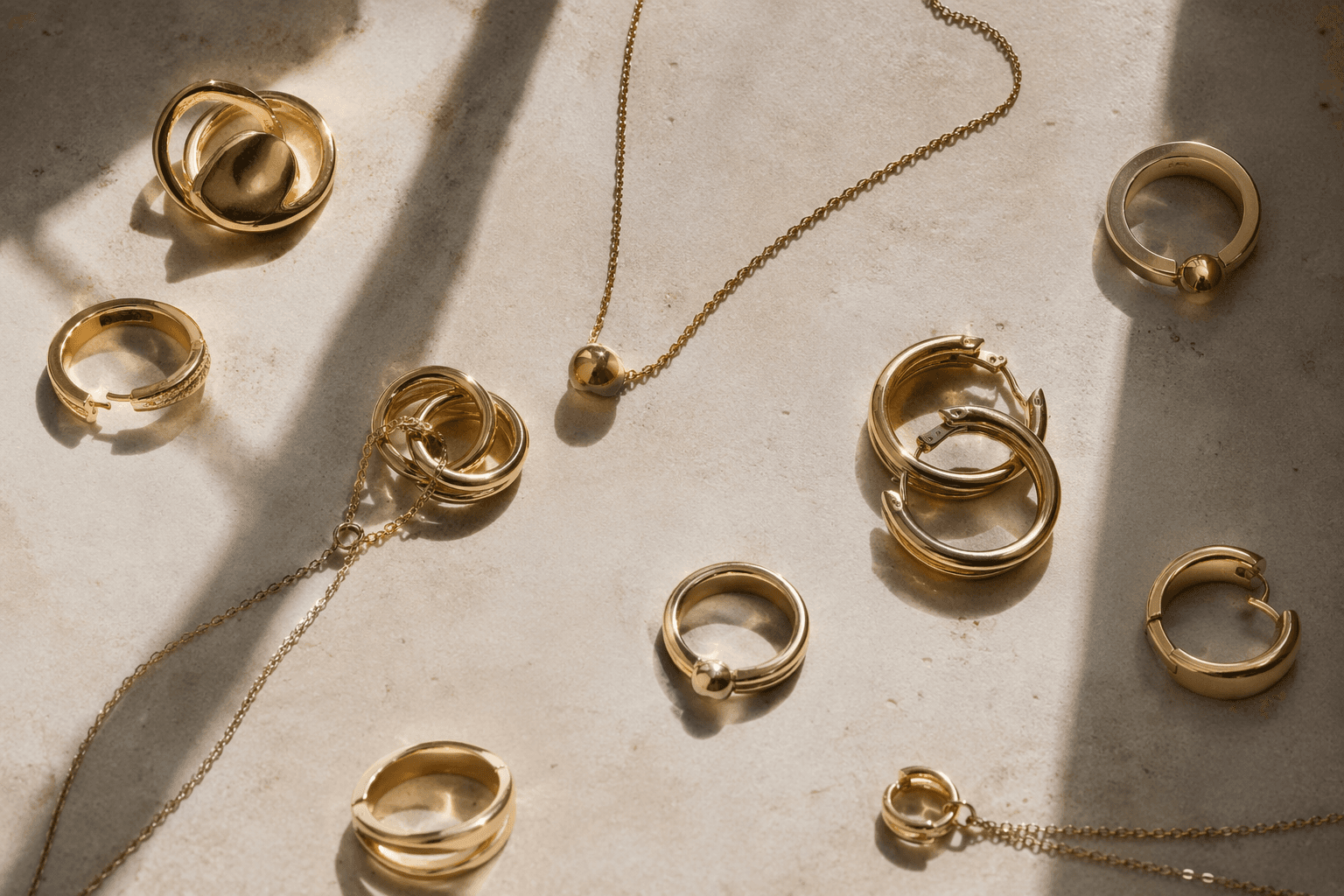
The pieces that stopped people on the JCK floor were the ones that refused to sit still. Spinning centers, flip-top charms, hidden messages and optical tricks gave gold jewelry a new kind of theater, turning it into something part adornment, part tactile object, and part conversation starter.
Kinetic jewelry became the new visual shorthand
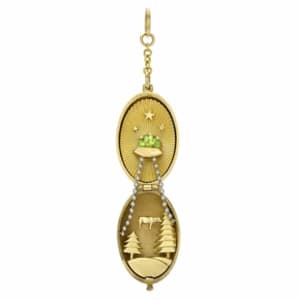
Kinetic jewelry was the standout post-show trend because it solved two problems at once: it looked fresh on the hand, wrist or neckline, and it gave the wearer something to do with it. A ring that spins cleanly, a pendant that flips to reveal a second surface, or a charm that hides a tiny treasure has the instant appeal of motion, but it also creates intimacy. The piece invites touch, and that physical interaction is exactly what makes it feel shareable in a crowded market.
That is why the strongest examples went beyond novelty. The best kinetic designs felt engineered rather than gimmicky, with hidden hinges, precise closures and polished surfaces that still read as fine jewelry. The category stretched from playful butterflies to alternative chains, especially leather, proving that movement can be elegant when the mechanics are integrated into the design instead of bolted on as a trick.
Why the gold mix changed
High gold prices were impossible to ignore, and they changed what exhibitors put in front of buyers. Gold hovered around $4,500 per ounce on the show floor, while mid-June tracking put it in the low $4,000s, so many brands softened their approach with 10K gold, vermeil, sterling silver and alternative materials such as leather. Some pieces also pulled in nylon and silk, a sign that the pressure on material costs was pushing designers to think more like editors and merchandisers, not just goldsmiths.
That shift matters because it widens the customer base without abandoning luxury cues. A 10K bracelet or vermeil charm can preserve the silhouette and the story while dropping the entry price, and that is exactly where many gold businesses are headed now. JCK’s exhibitor directories reflected the same pattern, with brands offering 10K and 14K gold alongside vermeil, silver and color-coated silver pieces at much lower price points than their all-gold counterparts.
From trade-show spectacle to something customers will actually wear
Not every kinetic idea will translate beyond the booth, but the ones most likely to sell share a few traits. They are easy to understand at a glance, they move smoothly, and they keep the profile refined enough to wear every day. A spinner ring, a hidden-compartment pendant or a charm with a reversible face has more commercial promise than an overcomplicated novelty because the mechanism enhances the jewel instead of overpowering it.
The same is true of the materials. Gold used sparingly, or paired with silver and softer nonmetal accents, makes the design feel more accessible without losing its polish. That balance is important for stylists, too, because motion reads well in photographs and video, where a piece that catches light as it turns can do more work than a static statement necklace ever could.
Vegas showed how broad the momentum really was
The scale of the event helped explain why this trend had room to breathe. JCK returned to The Venetian Expo in Las Vegas from May 29 to June 1, 2026, while Luxury by JCK opened May 27 and 28 before expanding to all JCK attendees on May 29. The show brought more than 1,900 exhibitors, more than 17,000 qualified buyers and over 30,000 professionals from about 100 countries, which made it less a trade fair than a working snapshot of the jewelry business.
JCK also added a new Lifestyle Pavilion for accessories, home décor and gifts, which opened one day earlier, on May 28. That move signaled a broader retail mindset: jewelry was not being isolated from the rest of personal style, but placed alongside the objects people actually live with, wear and collect. The debut of Timepieces at Luxury and JCK, running from May 27 to June 1, reinforced that idea, especially as brands such as Movado, Citizen Watch US, Frederique Constant, Alpina Watches, Victorinox, Shinola, Bulova, G-Shock and Casio put visible mechanics and movement at the center of their appeal.
What kinetic gold says about the market now
The deeper story is not just that gold got expensive. It is that the pressure made designers more inventive, and inventiveness is what consumers notice first. Kinetic jewelry turns material restraint into pleasure, using movement, hidden engineering and mixed materials to make gold feel less static and far more current.
In a market crowded with lookalike chains and familiar silhouettes, a piece that opens, flips or spins earns attention before it earns a purchase. That is why kinetic jewelry did more than stand out in Las Vegas: it pointed toward a future where the most compelling gold pieces are the ones that move, reveal and respond to the person wearing them.
This article was produced by Prism’s automated news system from verified source data, official records, and press releases, then run through automated quality and moderation checks before publishing. The system is built and supervised by the people who set the standards it runs under. Read our full AI policy.
Did this article answer your question?