Mejuri leans into silver and gold vermeil as confidence softens
Mejuri’s fastest-selling Puzzle line now spans sterling silver, gold vermeil and stones, a sign that shoppers are still buying, but at lower price points.
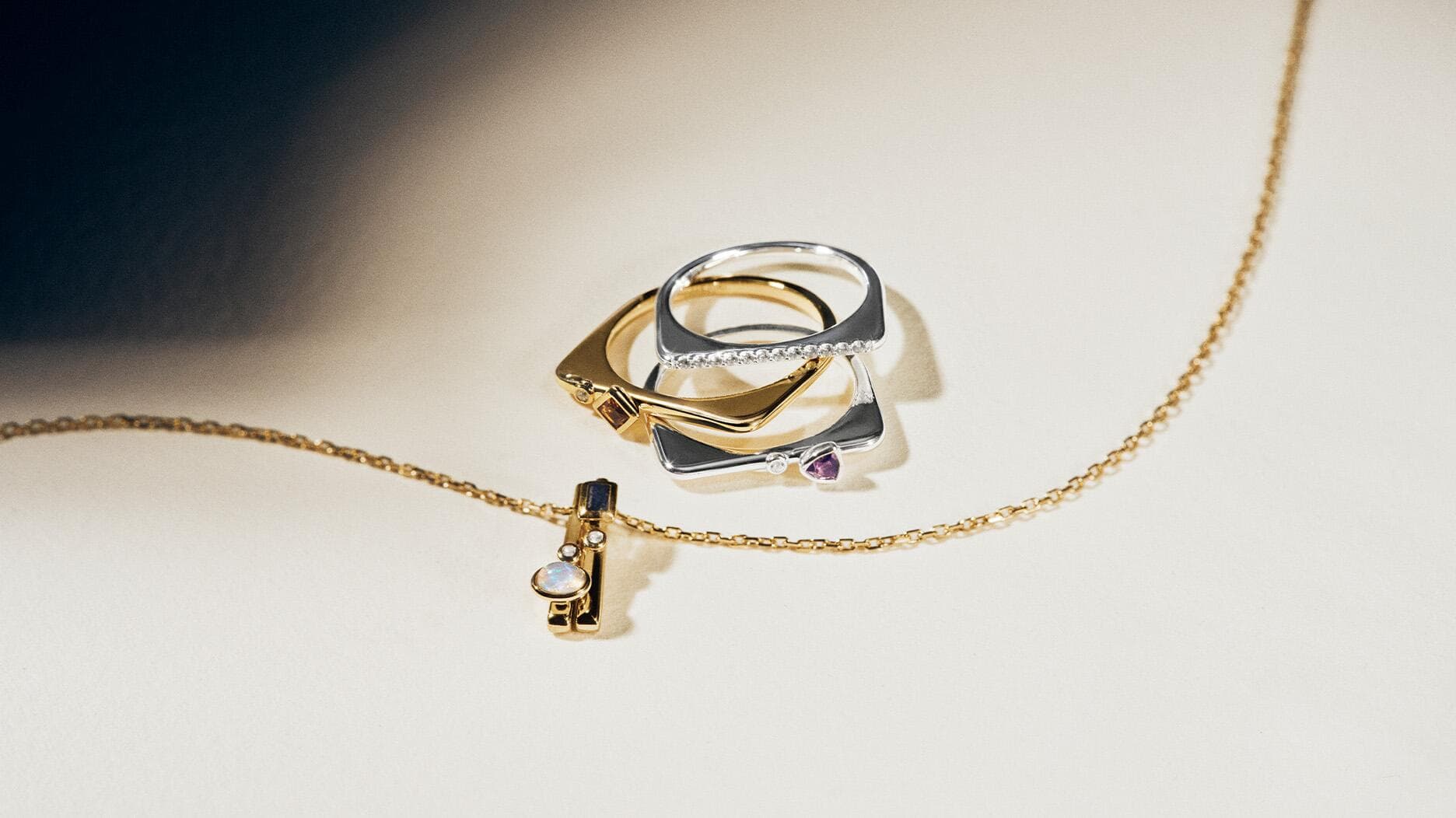
Mejuri is betting that the gold customer has not disappeared, only become more selective. The contemporary brand has leaned harder into sterling silver and gold vermeil, with its Puzzle collection emerging as a sharp test case: 14 ring styles start at $158, 12 charms are priced at $168 each, and about 60 percent of shoppers are buying three or more rings at a time.
That behavior matters because Puzzle began as an 18-karat gold vermeil story and then widened into sterling silver rings and slider charms. The line now mixes sterling silver, gold vermeil, and both lab-grown and mined diamonds and colored stones, a formula that keeps the visual language of fine jewelry intact while lowering the entry point. Mejuri says it is the brand’s fastest-selling collection to date, which suggests that mixed metals are not merely a styling gesture. They are becoming a commercial one.
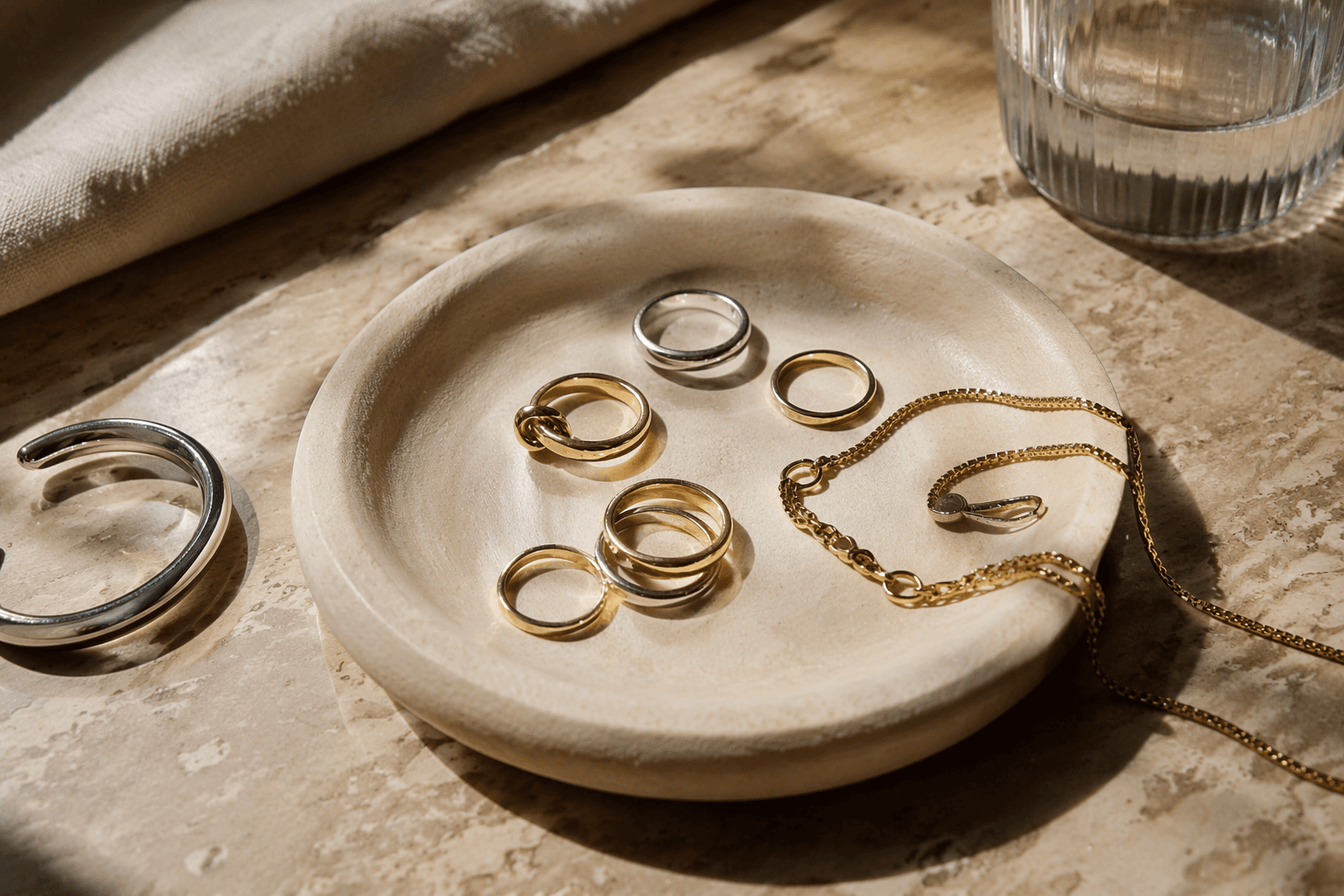
Noura Sakkijha has been blunt about why. Consumer sentiment is weak, especially in North America, and Mejuri has spent the past two years expanding its silver and gold vermeil assortment while developing new categories and materials. Gold has been the obvious pressure point. Sakkijha said the metal has quadrupled since Mejuri launched 11 years ago, to around $4,500 per troy ounce. Silver has also grown more expensive, while U.S. tariffs and the end of de minimis exemptions have added another layer of cost for jewelers.
The result is a market where mixed-metal merchandising looks less like an aesthetic choice than a defensive necessity. Pandora chief executive Berta de Pablos-Barbier has described the U.S. as increasingly K-shaped, with middle- and lower-income consumers cutting back, and Mejuri’s pricing gives that shift a tangible shape. A shopper who once might have gone straight to solid gold can now build a look through vermeil rings, silver bands, and a single gold accent, staying inside the category without stretching into it.
That pricing ladder has long defined Mejuri’s appeal. Founded in 2015 by third-generation jeweler Sakkijha, the brand was built around the idea that women would buy jewelry for themselves, not wait for a gift. By December 2023, Mejuri said it had 2.1 million customers, had shipped 4 million packages, and operated 28 stores worldwide. In 2021, it said 70 percent of its gold supply came from recycled sources, up from about 40 percent, and its gold vermeil was defined as a thick layer of 18-karat solid gold on sterling silver.
More recently, the brand introduced 10-karat gold options, shifted some products from 14-karat gold to vermeil, and raised prices by less than 10 percent across collections over the prior year. Taken together, those moves suggest a simple read on the current market: buyers are still reaching for jewelry, but many are trading down within the category rather than walking away from it.
This article was produced by Prism’s automated news system from verified source data, official records, and press releases, then run through automated quality and moderation checks before publishing. The system is built and supervised by the people who set the standards it runs under. Read our full AI policy.
Know something we missed? Have a correction or additional information?
Submit a Tip