Queen Camilla’s heirloom jewels spotlight royal diplomacy on U.S. visit
Queen Camilla turned a state visit into a lesson in inherited glamour, using brooches and amethyst heirlooms to make diplomacy visible. Her jewels showed how family pieces can still speak with modern force.
A brooch can carry a diplomatic message
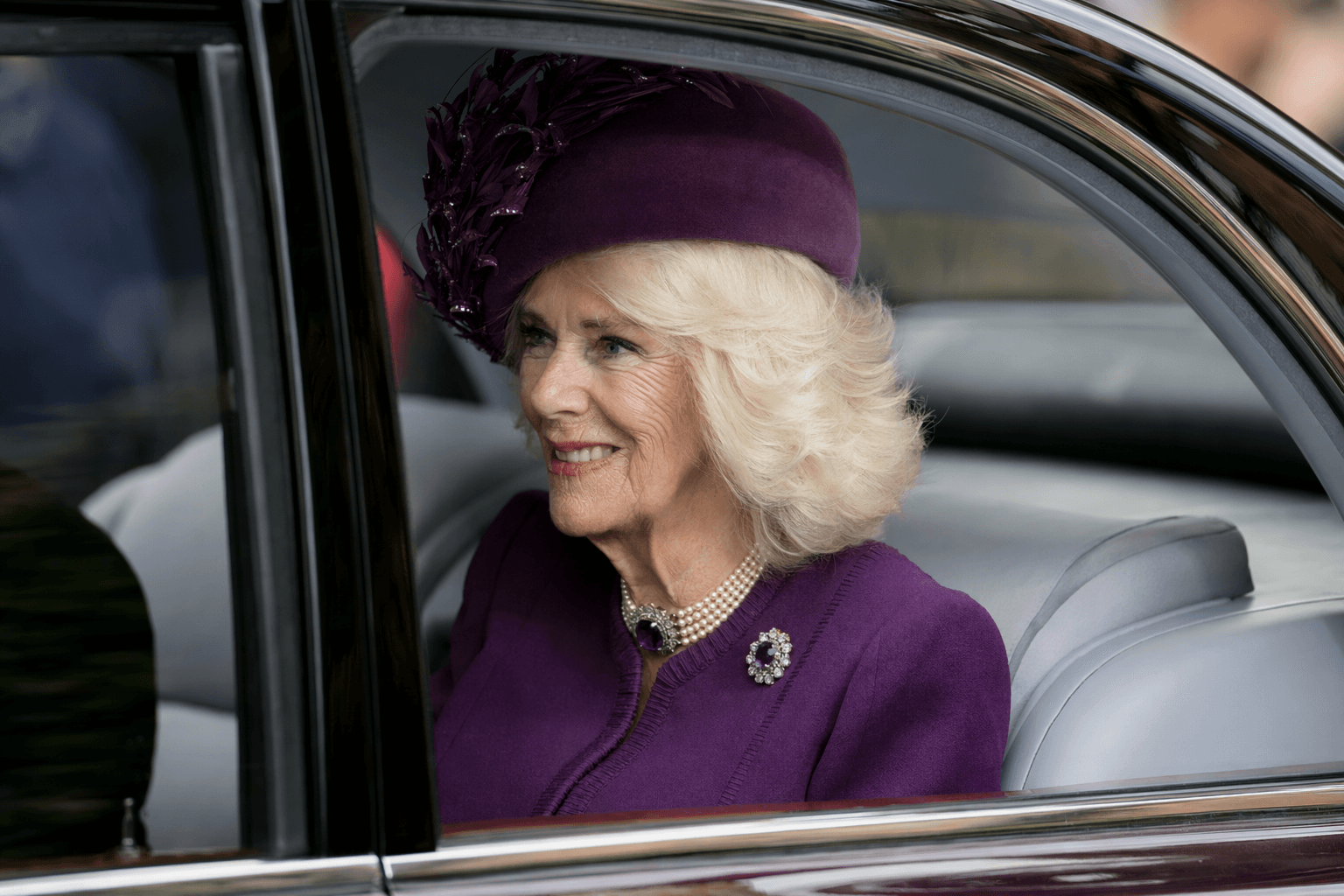
Queen Camilla’s U.S. state-visit jewelry made a clear argument for the power of heirlooms: the right historic piece does not merely complete an outfit, it frames the entire occasion. On the first day of the visit, she wore the Cartier Union Jack and Stars and Stripes brooch, a gift presented to Queen Elizabeth II in 1957 by New York Mayor Robert F. Wagner. At the White House welcome ceremony, she chose the Cullinan V brooch, then returned to the same language of legacy at the White House state dinner on April 28, 2026, wearing the Kent Amethyst demi-parure.
The sequence mattered. Camilla did not treat these jewels as isolated ornaments, but as a measured progression through Anglo-American symbolism, royal memory, and visible continuity. That is why the visit drew so much attention in jewelry circles: the pieces were not just beautiful, they were legible.
Why the brooch mattered more than flash
Brooches have always been among the most eloquent forms of jewelry because they sit high on the body, close to the face, where they read instantly in photographs and in person. Camilla’s opening-day Cartier brooch worked like a diplomatic pin, carrying the dual imagery of Britain and the United States in one compact gesture. The fact that it had been presented in 1957, during the era of Queen Elizabeth II, gave it an added charge of historical repetition, as if the royal wardrobe itself were remembering an earlier state visit.
That kind of jewelry storytelling is especially effective during official travel, when clothes are often constrained by protocol. A brooch lets a wearer personalize without overwhelming the occasion. In Camilla’s case, it also anchored the broader framing of the visit as a celebration of Anglo-American ties, with several reports noting its resonance in America’s 250th anniversary year.
The Cullinan V, a diamond with imperial scale
The White House welcome ceremony brought out the Cullinan V brooch, one of the most recognizable diamonds in the royal collection. The centerpiece is an 18.8-carat heart-shaped diamond, originally set in a brooch made for Queen Mary’s Delhi Durbar jewelry suite in 1911. Its material history is enormous: the stone was cut from the Cullinan Diamond, discovered in South Africa in 1905 and weighing 3,106 carats in rough form, the largest rough diamond ever found.
That scale is part of the appeal, but so is the design. A heart-shaped diamond can easily tip into sentimentality, yet here it is disciplined by the brooch setting and by its ceremonial context. The result is not cute, but authoritative. Worn by Camilla at a White House welcome, it read as both magnificence and continuity, a jewel that still projects power more than a century after it was first commissioned.
For anyone thinking about inherited jewelry, the lesson is useful: a historic stone does not need to be remade into something trendy to feel current. Sometimes the strongest move is to preserve the setting that gives the gem its identity, then wear it with confidence against modern tailoring.
Amethyst, gold, and the quiet force of inherited color
If the Cullinan V handled the visit’s opening with brightness and scale, the Kent Amethyst demi-parure brought depth. Camilla wore the amethyst necklace and earrings to the White House state dinner on April 28, 2026, and the set carried a line of descent that makes it especially compelling. The jewels belonged to Queen Victoria’s mother, the Duchess of Kent, and date to 1818.
That provenance changes how the color reads. Amethyst can feel decorative in isolation, but here it became a family signature, a violet thread running through royal history. Set in the context of a state dinner, the necklace and earrings looked less like evening accessories than like a visual archive, a way of wearing maternal inheritance in public without losing elegance.
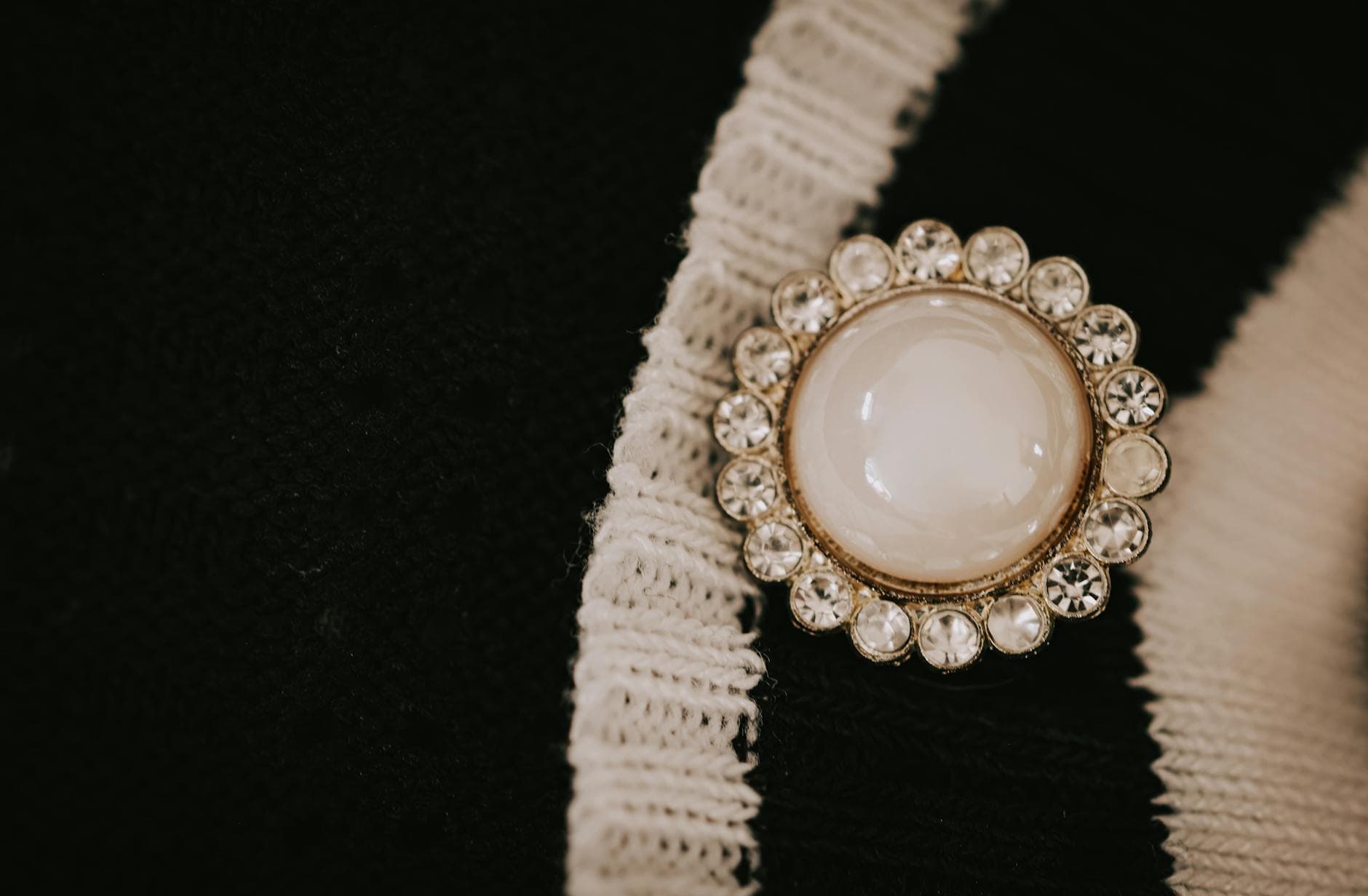
There is also a practical beauty lesson in the pairing. Amethyst against gold has a richness that feels warm rather than icy, especially in formal lighting. The contrast gives the stone depth while keeping the look regal and restrained. For modern wearers, that combination can be more versatile than diamond-only evening jewelry because it introduces color without sacrificing formality.
How to make family jewelry feel current
Camilla’s state-visit styling offers a blueprint for anyone who owns inherited pieces and wants to wear them with purpose rather than reverence alone. The point is not to preserve jewelry in silence, but to let it work in a present-day wardrobe.
- Let one historic piece lead the look. A strong brooch, pendant, or ring can set the tone for an entire outfit, especially when the clothing is tailored and simple.
- Keep the original silhouette when the craftsmanship is part of the appeal. The Cullinan V works because its setting protects the identity of the stone. A reset should clarify a jewel, not erase it.
- Use color to modernize without losing lineage. The Kent Amethyst set shows how a family jewel can feel fresh when the stones are rich and the styling is spare.
- Think in sequences, not single moments. Camilla’s jewelry changed from brooch to brooch and then to a full parure, which made the visit feel narrated rather than merely dressed.
- Respect scale. A large brooch or substantial necklace needs a garment that can hold it, which is why formal jackets, dresses with clean necklines, and structured eveningwear are the natural partners for heirlooms.
When to reset, when to preserve
The best family pieces usually fall into one of two categories: objects that should remain intact because the original design is the point, and stones that deserve a new life because the mount no longer suits contemporary wear. Camilla’s jewels remind you to ask which category a piece belongs to before changing anything. A brooch with historical provenance often gains power from staying exactly as it is, while loose stones or mismatched inherited gems may benefit from a reset that improves wearability and proportion.
A good reset should solve a practical problem, not create a trend-driven one. If a stone sits too high, a clasp feels flimsy, or a necklace no longer aligns with the way you dress, update the structure. If the piece already speaks clearly, leave its voice intact.
Queen Camilla’s visit was more than a display of splendor. It was a study in how heirloom jewelry can still do what the best jewelry has always done: honor the past, speak to the present, and make power visible without ever raising its voice.
Know something we missed? Have a correction or additional information?
Submit a Tip