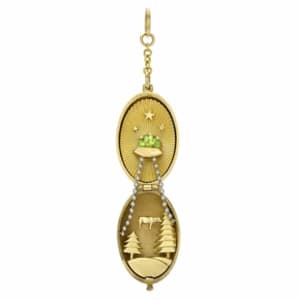
Record gold prices push designers to rethink jewelry collections
Record gold prices are pushing fine jewelry toward lighter weights, mixed metals, and smarter construction, making design ingenuity the new measure of value.
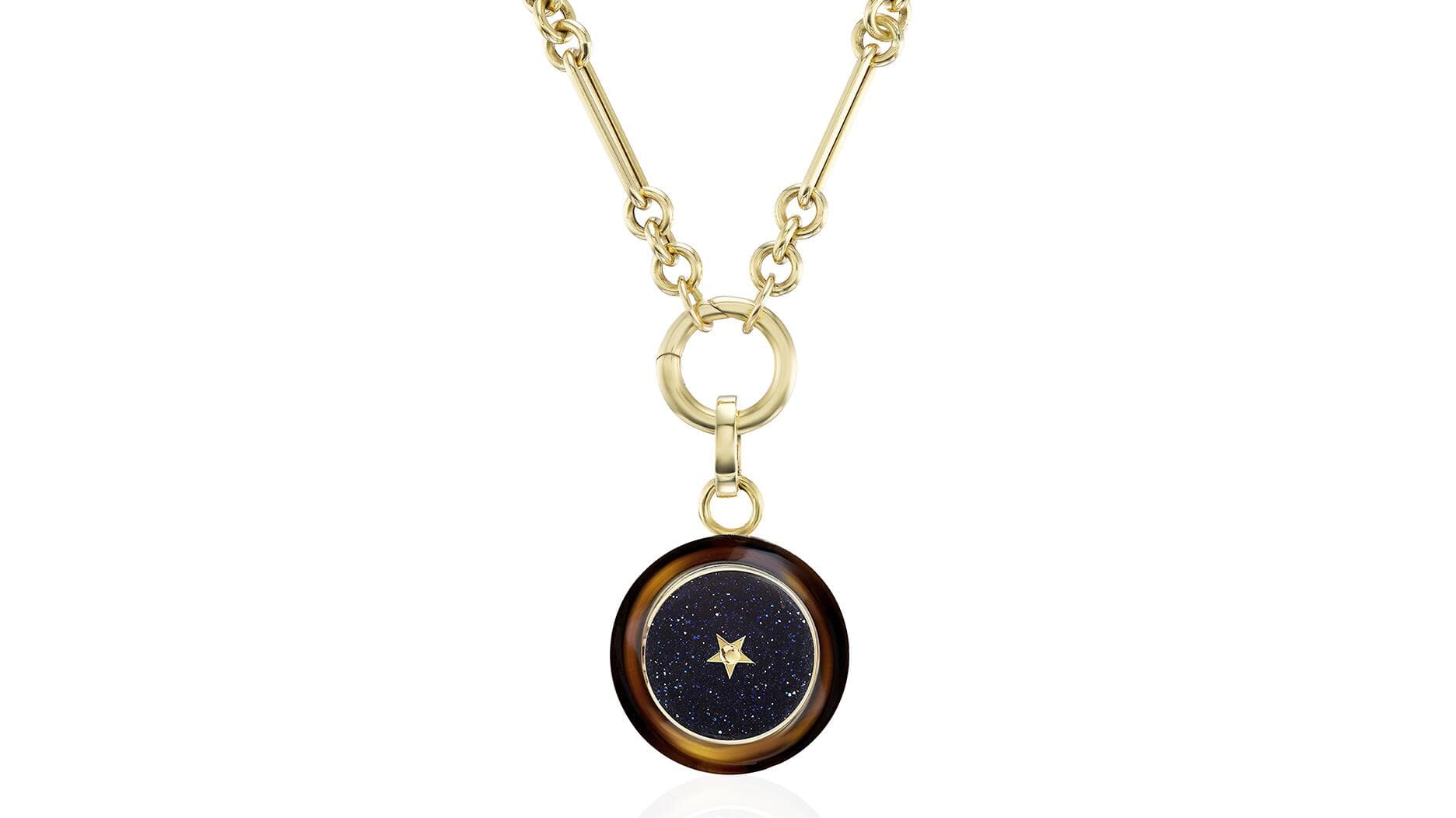
A visible 10k stamp now tells a sharper story than a carat chart alone. As gold prices hit 53 new all-time highs in 2025, designers responded with lighter weights, mixed metals, and collections built to do more with less gold.
Gold's new math
World Gold Council data show 2025 was the first year total gold demand, including OTC, crossed 5,000 tonnes, while the market value of that demand reached US$555 billion, up 45 percent year over year. In jewelry, the pressure showed up quickly. Global gold jewelry consumption fell 21 percent in the first quarter to 380 tonnes, even as value rose 9 percent to US$35 billion, a sign that shoppers were buying fewer pieces but spending more on each one.
That same split between volume and value continued through the year. In China, gold jewelry demand dropped 20 percent year over year in the second quarter to 69 tonnes, yet spending still climbed 13 percent to US$7 billion. By the third quarter, jewelry consumption slipped to 371 tonnes, the sixth straight double-digit decline, while value rose 13 percent to US$41 billion. The average gold price in that quarter reached US$3,456.54 an ounce, a record that makes even familiar categories, from chains to bangles, feel newly weighty in the display case.
Full-year numbers confirm the shift in behavior. Jewelry consumption fell 18 percent versus 2024, but jewelry demand value rose 18 percent to US$172 billion. The World Gold Council found consumers were constrained by affordability but still devoted a larger share of their wallet to gold.
How collections are changing
Gold prices are changing the number of pieces designers make, the materials they use, and how they position themselves. That pressure is pushing collections toward lower karatage, especially 14-karat and even 10-karat gold, where the metal cost is easier to manage and the retail price can stay within reach.
Brands are reducing the number of pieces in a collection, leaning harder into mixed materials, and adding transformability so one object can perform several roles. A necklace with a detachable drop, a ring that stacks differently depending on the day, or a bracelet that pairs gold with a secondary metal can preserve the sense of luxury without relying on heavy gold weight alone.

Viviana Langhoff’s AU79 capsule shows how direct that recalibration can be. The 20-piece collection is built in 14-karat gold, a clear signal that the artistic ambition is being carried by proportion, finish, and shape rather than by sheer metal content. Tiffany & Co.’s 2026 Blue Book takes a different route, pairing 18-karat yellow gold with platinum in key pieces and rolling out the collection in phases beginning in October 2025.
What to look for at the counter
The most visible signs of this shift are easy to read once you know them. Stacked chains, mixed-link statements, warm metals, and sculptural profiles are doing more of the visual heavy lifting, while the gold itself is often edited with greater discipline.
- A visible 10k or 14k stamp usually means the designer has chosen a lower-gold formula to keep the piece accessible or to free up room for larger-scale design.
- Mixed-metal construction, especially gold with platinum or another contrasting metal, often signals that the design is meant to emphasize line and contrast as much as material value.
- Modular or transformable elements, such as detachable sections or pieces that can be worn several ways, are a practical answer to rising prices because they add utility without adding much gold weight.
- Strong texture, whether brushed, hammered, or highly polished against a matte surface, can make a lighter piece feel more substantial than its weight suggests.
Why the category still feels resilient
The jewelry business has faced price pressure before, but gold has a particular advantage: it still carries the aura of both adornment and asset. Bain & Company’s luxury research found jewelry outperforming other luxury categories, driven in part by investment-led purchases.
World Gold Council data show U.S. gold-backed ETFs attracted 437 tonnes of demand in 2025, and U.S. gold demand rose 140 percent year over year to 679 tonnes.
This article was produced by Prism’s automated news system from verified source data, official records, and press releases, then run through automated quality and moderation checks before publishing. The system is built and supervised by the people who set the standards it runs under. Read our full AI policy.
Did this article answer your question?