Richemont jewelry maisons lead growth as gold costs lift prices
Richemont’s Cartier, Van Cleef & Arpels, Buccellati and Vhernier drove sales to €22.4 billion as gold costs pushed up prices and tested demand.
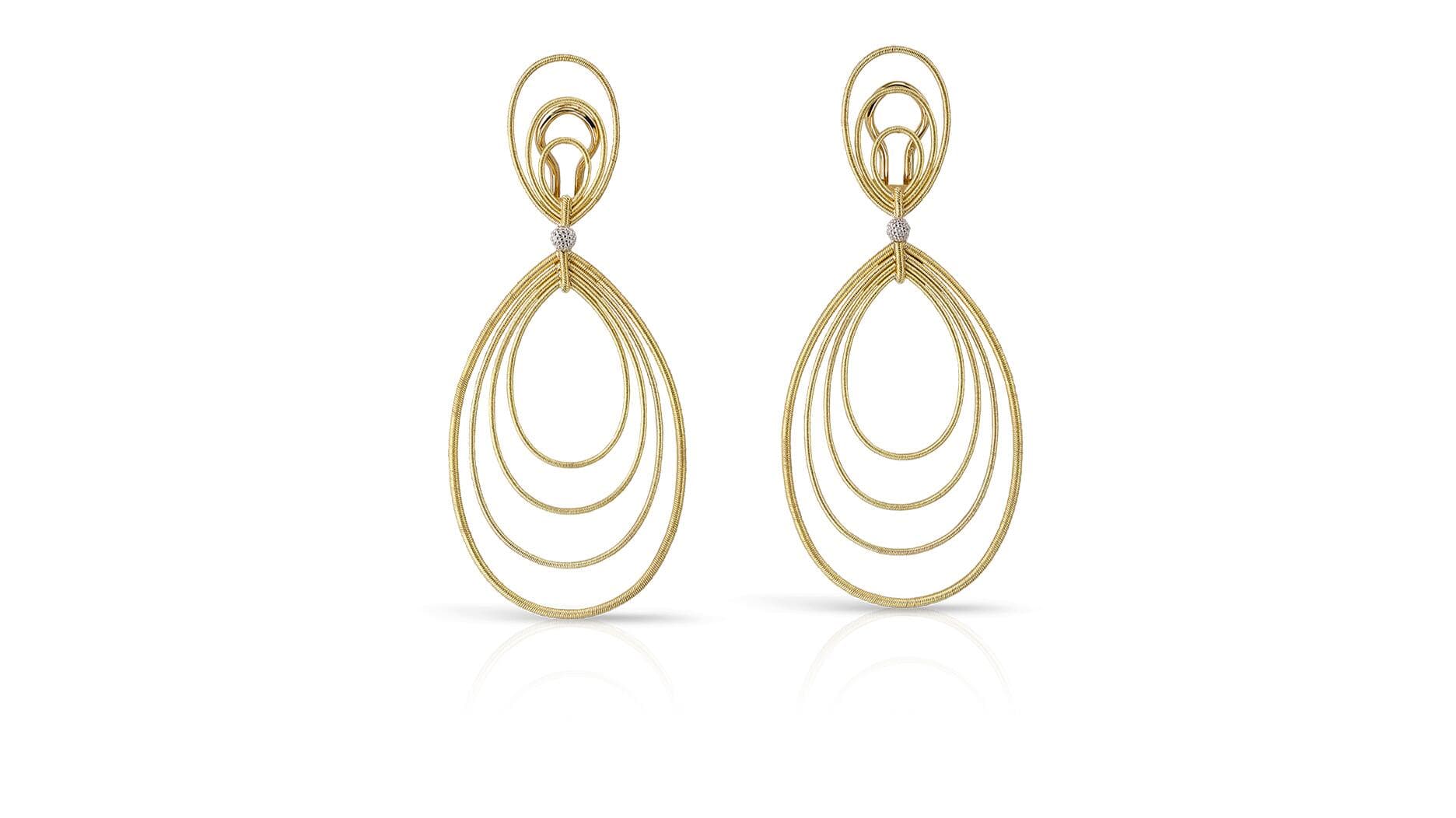
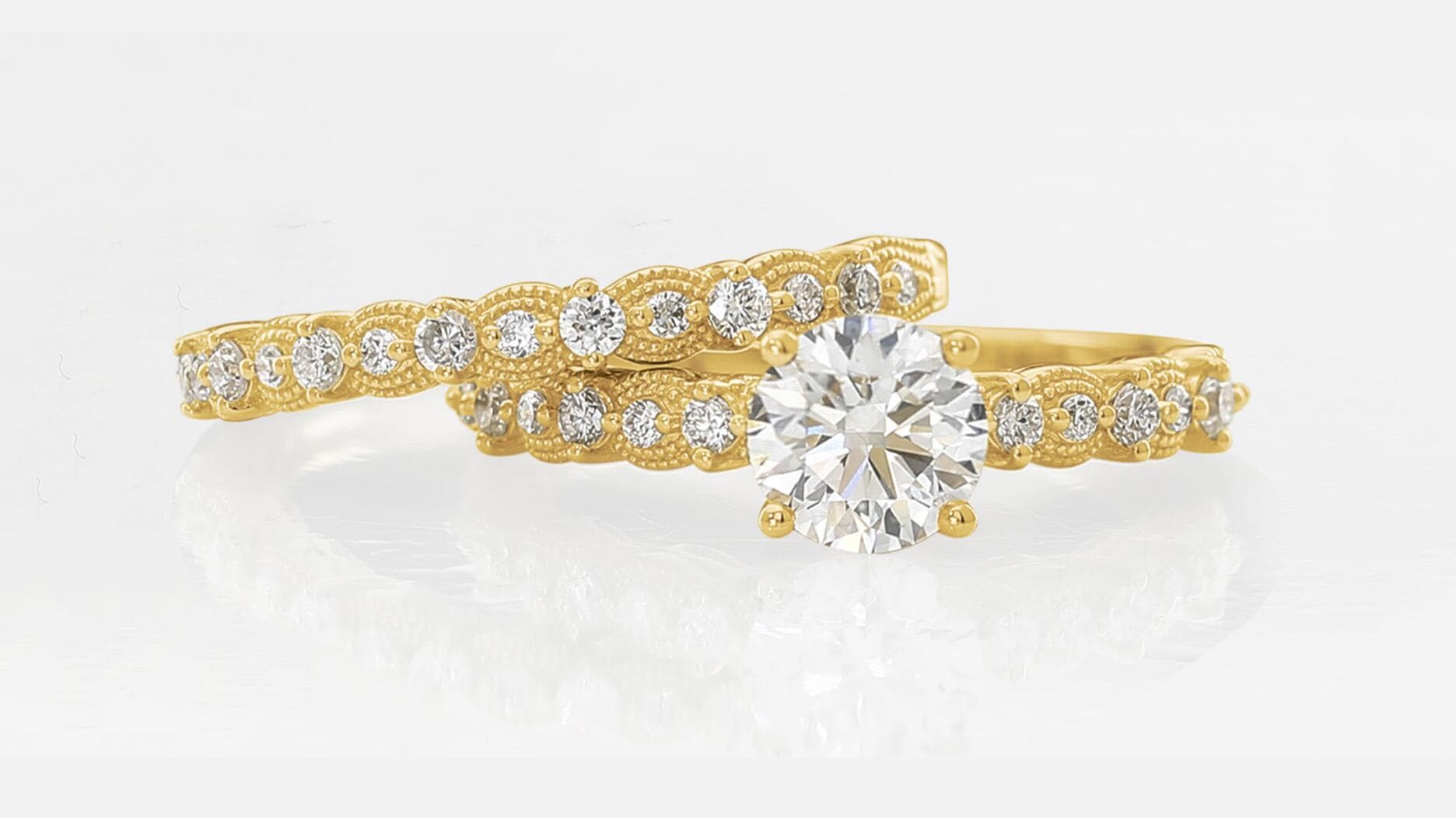
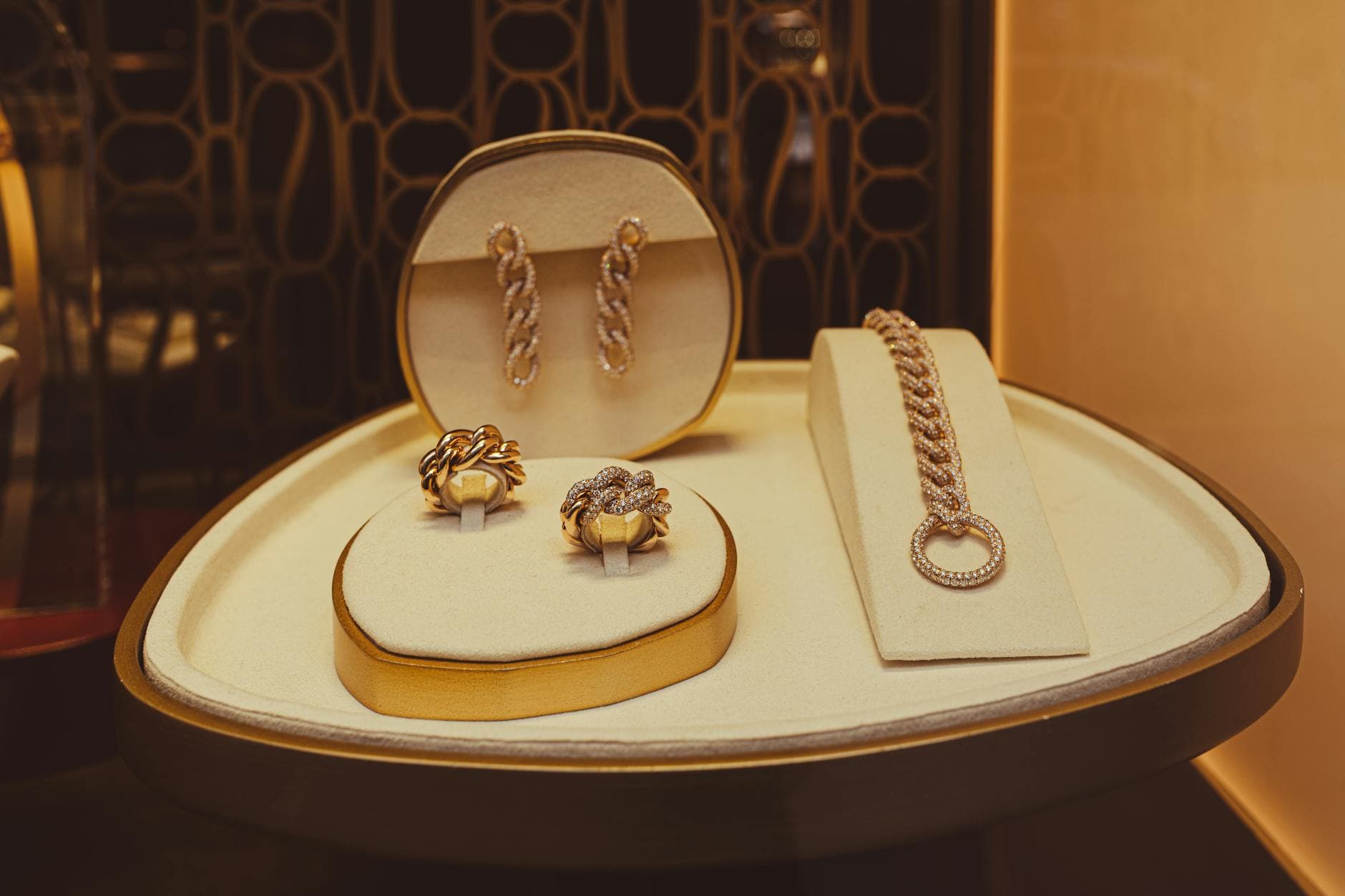
Richemont’s jewelry maisons did the heavy lifting in a year when gold costs kept forcing the issue on pricing. The company’s four houses, Buccellati, Cartier, Van Cleef & Arpels and Vhernier, generated €16.5 billion in combined sales and lifted the group’s jewelry business even as bullion inflation continued to shape what luxury buyers paid at the counter.
For FY26, ended March 31, Richemont said group sales reached €22.4 billion, up 11 percent at constant exchange rates and 5 percent at actual rates. Fourth-quarter sales rose 13 percent at constant exchange rates, showing that the momentum held into the closing stretch of the year rather than fading after the holiday period.
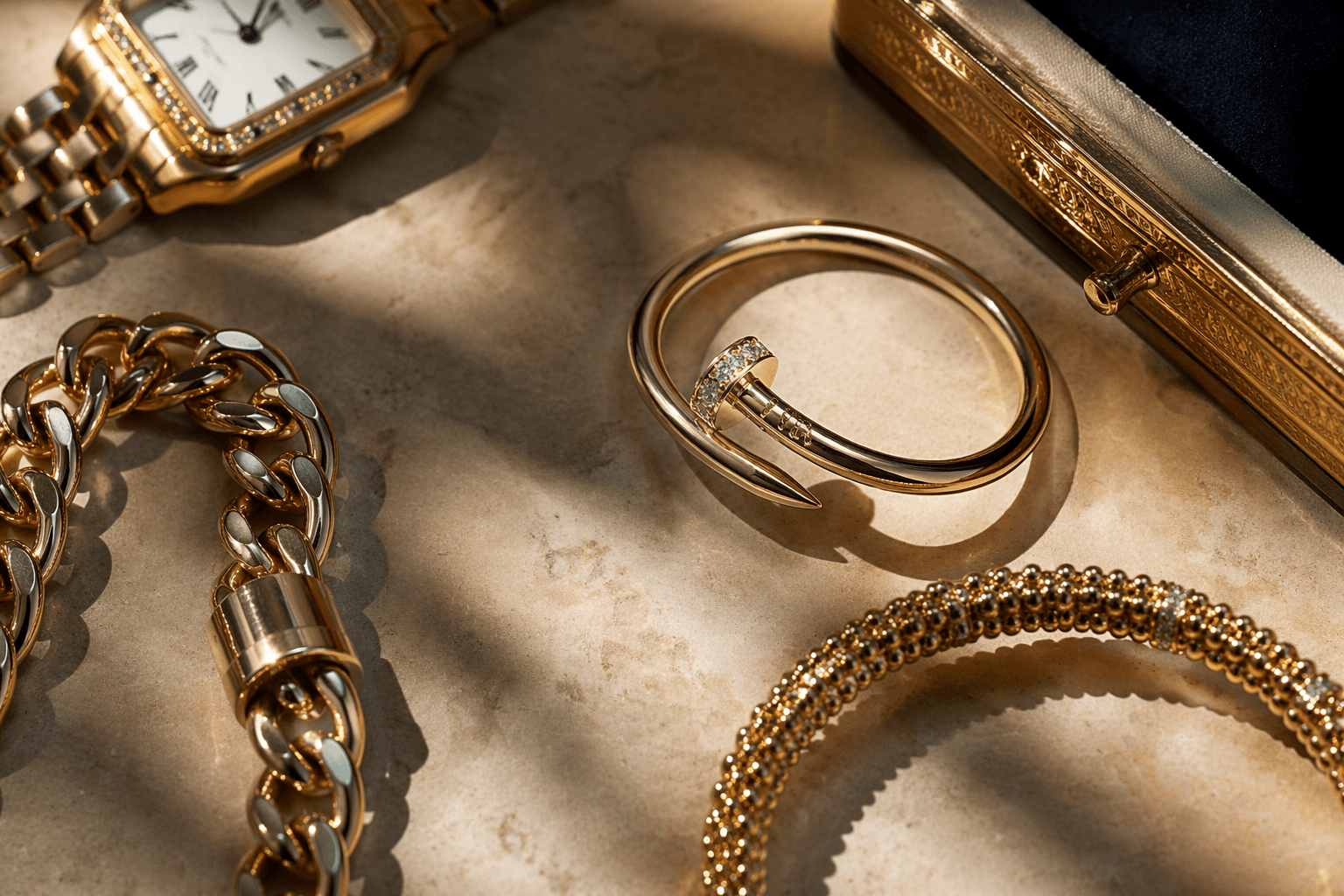
The clearest signal came from the jewelry maisons. Sales rose 8 percent at actual exchange rates and 14 percent at constant exchange rates, while the segment delivered a 30.5 percent operating margin. Richemont said the maisons implemented measured price increases as they faced higher costs, a reminder that gold remains one of the most powerful levers in fine-jewelry pricing. Higher raw material costs and weaker trading currencies weighed on profitability, but the jewelry division still outperformed the group’s watchmakers.
That contrast matters. Specialist Watchmakers fell 4 percent at actual exchange rates, though they returned to 1 percent growth at constant exchange rates in the second half. Richemont’s jewelry houses, by comparison, kept acting like the group’s anchor: stable, high-margin, and still able to absorb price rises without breaking demand.
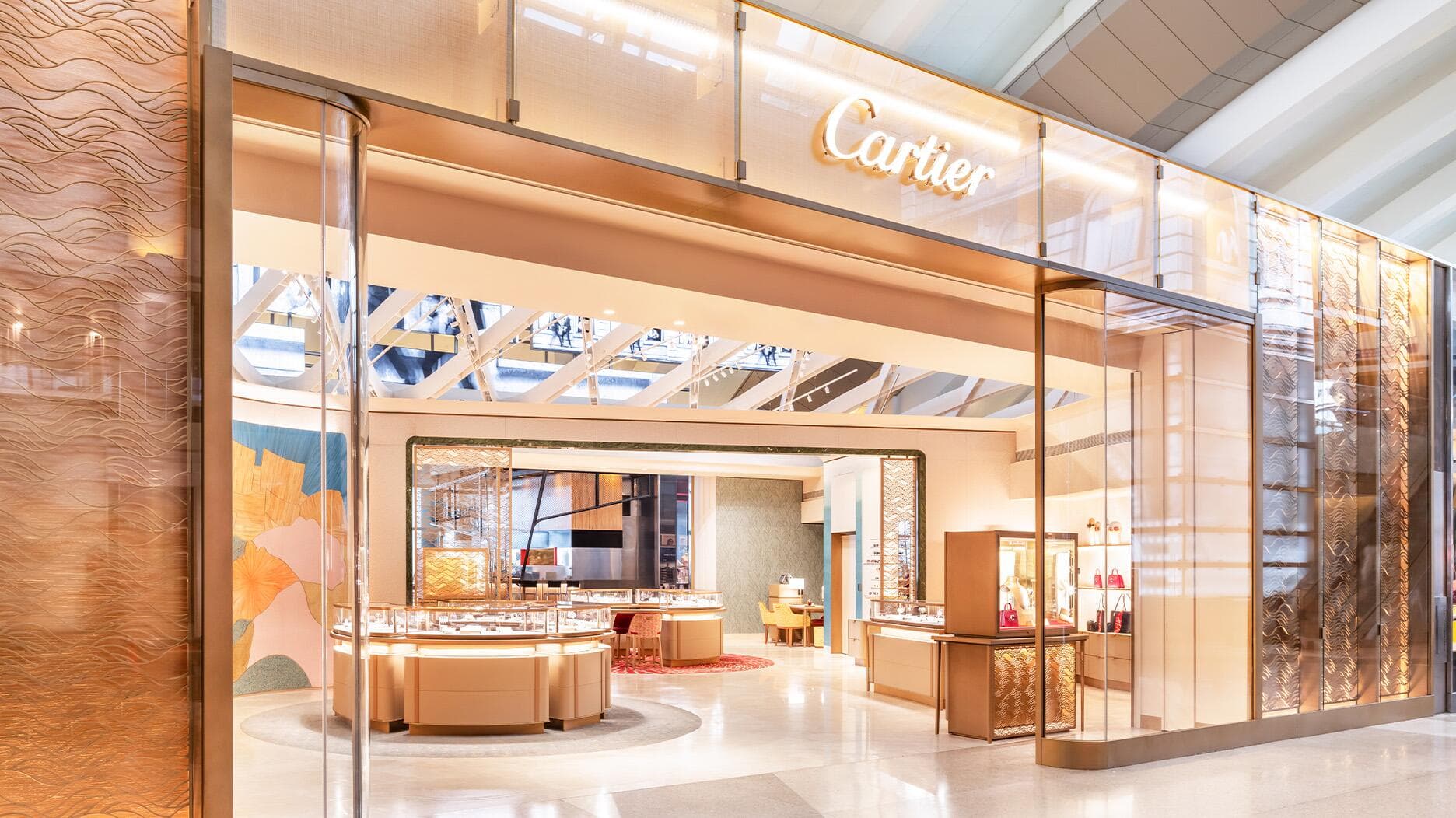
The customer mix was just as telling. Direct-to-client sales accounted for 77 percent of group sales, a sign that Richemont’s maisons continue to rely on their own boutiques and clienteling rather than wholesale volume. Growth was broad-based across regions and channels, with the Americas posting double-digit gains at constant exchange rates throughout the year and strong demand also reported across Europe, Japan, the Middle East and Africa, and Asia Pacific.
Johann Rupert framed the result as evidence of a long-term strategy built on differentiation, strong brand identity and disciplined pricing. That approach seems to be working in exactly the parts of the market that matter most right now: iconic collections, client-led retail, and houses with enough brand power to pass through higher gold costs without losing their audience.

The wider gold market still looks more complicated. The World Gold Council said jewelry demand volumes remained under pressure in the first quarter of 2026 as prices hit records, even as total gold demand value climbed to a record US$193 billion. Richemont’s numbers suggest the near-term investment case for gold jewelry still favors the strongest maisons, especially those with recognizable signatures and global retail reach. Richemont will publish its annual report and accounts on May 29.
This article was produced by Prism’s automated news system from verified source data, official records, and press releases, then run through automated quality and moderation checks before publishing. The system is built and supervised by the people who set the standards it runs under. Read our full AI policy.
Did this article answer your question?