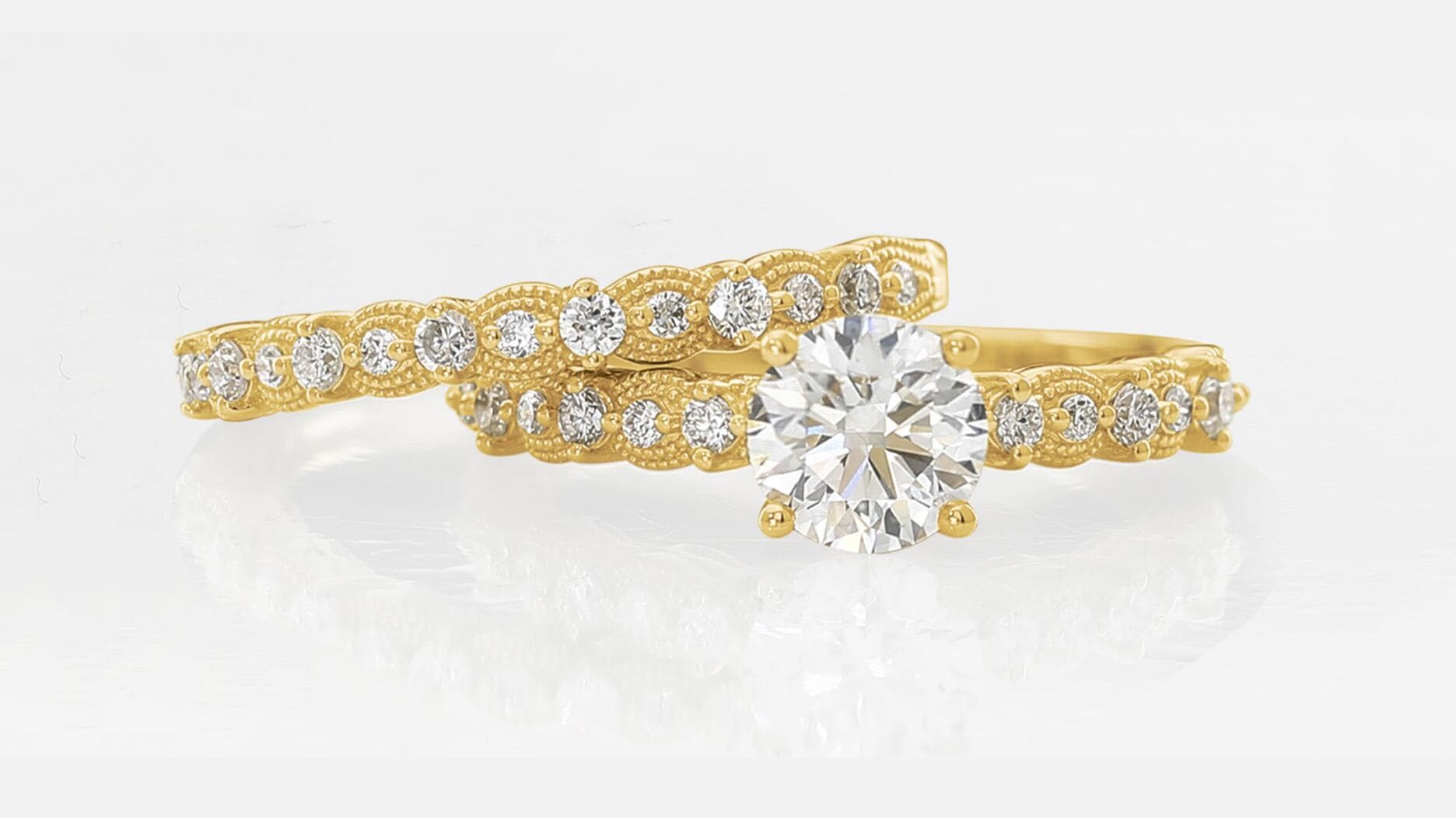
Spring Sale Deals Make Affordable Gold Engagement Rings Easier to Buy
Spring sale windows are pushing gold engagement rings into reach, but the smartest savings come from simpler settings, 14K gold, lab-grown stones and strong return policies.
The new budget benchmark
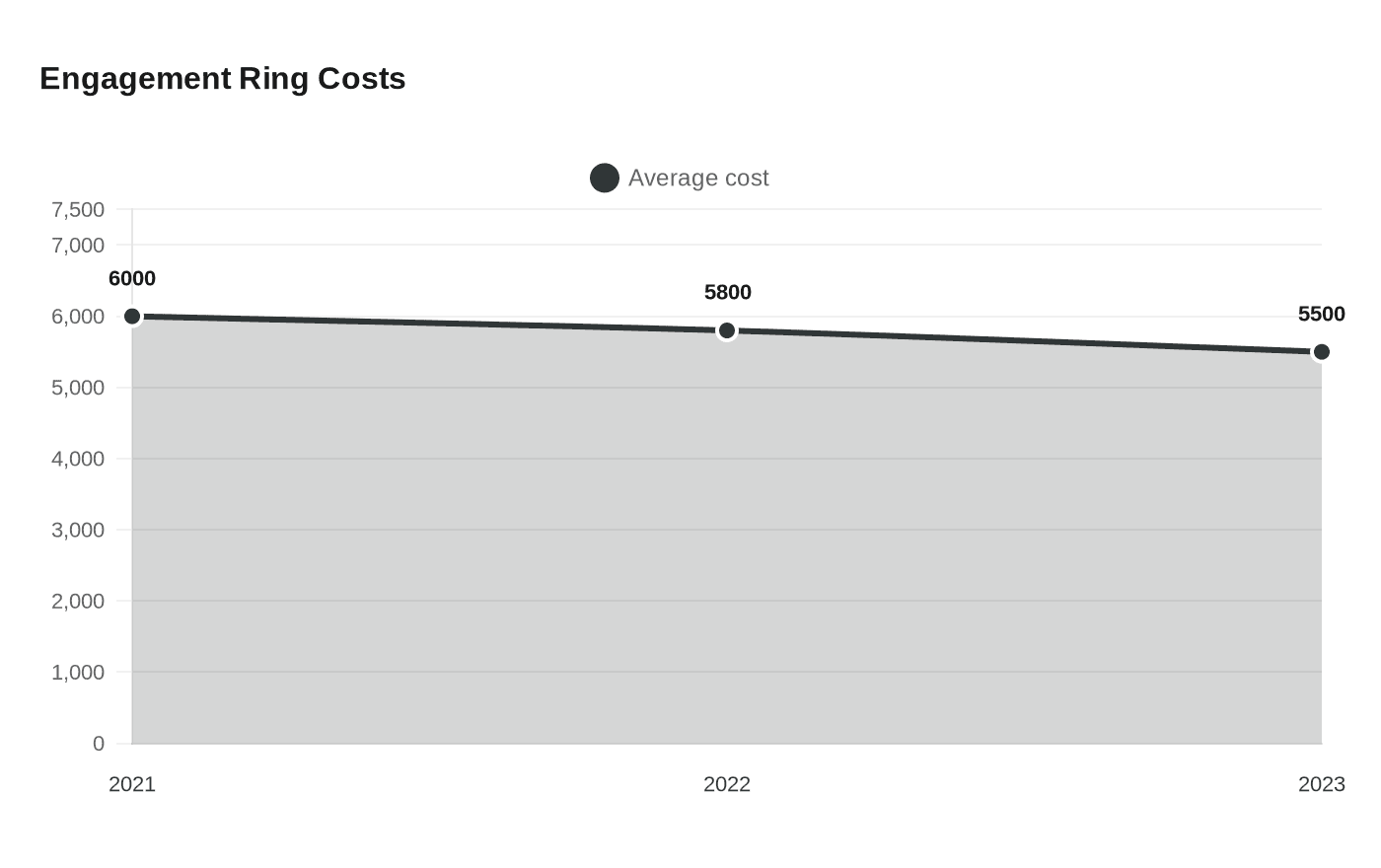
The average engagement ring now costs $5,200, down from $5,500 in 2023, $5,800 in 2022 and $6,000 in 2021, which is a welcome slide but still a serious spend for most buyers. In the United States, where De Beers says roughly 55% of the world’s diamond-jewelry demand sits, that pressure is easy to feel. Spring sale pricing matters because it can turn a ring that looks far above budget into something that lands much closer to the middle of the market.
Forbes Vetted’s affordable engagement-ring guide puts Blue Nile at the top for overall shopping and Quince in the value seat, which is a useful clue for buyers trying to balance polish against price. The smartest strategy is not simply finding the lowest tag, but knowing where to save without making the ring look thin, and where a few extra dollars buy real protection.
Where spring sales do the most work
The cleanest savings usually come from three places: the metal, the stone, and the setting. A simpler gold setting costs less than a heavily detailed one, and lab-grown diamonds often open the door to a larger or better-looking center stone at a lower price. Sale timing then does the rest, especially when a retailer combines a discount with return rights, shipping benefits or a warranty.
Blue Nile is advertising its Spring Sale with up to 25% off engagement-ring settings and up to 30% off other jewelry. Rare Carat is running a 60-Hour Sale, and its promotions page also shows a Mother's Day Sale with up to 40% off. Quince’s range shows just how wide the “affordable” category can be, from a 14K gold lab-grown diamond and morganite halo ring at $498 to lab-grown diamond engagement rings listed around $1,300, $1,700, $2,900, $4,500 and $4,700.
How to save without making the ring look cheap
A premium look on a budget usually comes from restraint, not flash. A solitaire or a clean halo can read more elegant than a crowded setting, especially when the center stone carries the design. 14K gold is the practical sweet spot in the examples here, because it keeps the look warm and substantial without pushing the price toward the top of the range.
- Choose a simpler setting before you compromise on the center stone’s appearance.
- Consider lab-grown diamonds if you want more visual size for the money.
- Use sale windows to reduce the setting cost first, since that is where Blue Nile and Rare Carat are offering sharp discounts.
- Treat financing as a last-mile tool, not a reason to overspend.
A few saving rules stand out:
The strongest budgets are built from trade-offs that remain visible in the ring itself. A more modest setting with a well-cut stone tends to look richer than a busy design with a weak center.
What not to cut corners on
The place to hold the line is credibility. Diamond paperwork, return terms and manufacturing coverage matter because they protect the purchase after the box is opened. This is where the cheaper ring can become the expensive mistake if the seller is vague about materials or the return policy is thin.
Blue Nile says shoppers can choose natural or lab-created diamonds, and it also offers free shipping, free returns, free ring sizers and a limited lifetime warranty against manufacturing defects. Rare Carat says its diamond engagement rings are GIA- and IGI-certified, gemologist-reviewed and backed by 30-day returns, plus an AI price-and-quality check. Those details do not make the ring prettier, but they do make the buy safer.
Blue Nile
Blue Nile is the most straightforward all-around option here because it combines range, sale pricing and buyer protections. Its engagement-ring pages let shoppers choose natural or lab-created diamonds, which makes it easier to tune the budget without changing the basic aesthetic. The free ring sizers, free returns and limited lifetime warranty against manufacturing defects are the kinds of policy details that should matter as much as the discount banner.
Quince
Quince is the value play when the brief is “looks expensive, costs less.” Its engagement-ring assortment leans heavily into lab-grown diamonds, and the spread from a $498 14K gold lab-grown diamond and morganite halo ring to pieces around $4,700 shows how flexible the category can be. The lesson is simple: Quince can be a starting point for budget buyers, but the price gap between styles is wide enough that design choice matters as much as brand choice.
Rare Carat
Rare Carat is built for buyers who want more reassurance around the stone itself. The retailer says its diamond engagement rings are GIA- and IGI-certified and gemologist-reviewed, and it backs purchases with 30-day returns. A sample solitaire setting was listed at $1,350 with a $540 coupon during a 60-Hour Sale, which shows how aggressively the pricing can move when the clock is running.
Brilliant Earth
Brilliant Earth leans into responsible sourcing and customization, which makes it appealing for buyers who care about the story behind the ring as much as the visual. It also offers financing and payment plans, including options up to 36 months and special financing for 12 months for eligible U.S. customers. That can help stretch a budget, but the smarter use of financing is to support a well-chosen ring, not to justify a larger one than the budget can comfortably carry.
Etsy
Etsy remains the wild card, and that is exactly why it belongs in a budget guide. The marketplace shows more than 5,000 gold engagement-ring listings, including budget-friendly and custom-made pieces across vintage, personalized and handmade styles. The upside is unusual design and more room for one-off finds; the tradeoff is that each seller needs to be checked for materials, stone details and return terms before a purchase feels safe.
The bottom line
The best affordable gold engagement ring is not the one with the most dramatic markdown. It is the one that uses sale timing, a simpler setting, a sensible gold choice and a well-documented stone to create the right look without the wrong risk. In a market where the average ring still sits at $5,200 and lab-grown diamonds have already altered the shape of demand, the smartest buy is the one that looks polished, reads clearly on paper and stays within reach when the proposal is over.
This article was produced by Prism’s automated news system from verified source data, official records, and press releases, then run through automated quality and moderation checks before publishing. The system is built and supervised by the people who set the standards it runs under. Read our full AI policy.
Did this article answer your question?