Tiny gold charms gain traction as prices and nostalgia drive demand
Tiny gold charms are the clever concession of the moment, letting collectors keep layering sentiment while sidestepping the weight of bigger gold pieces.
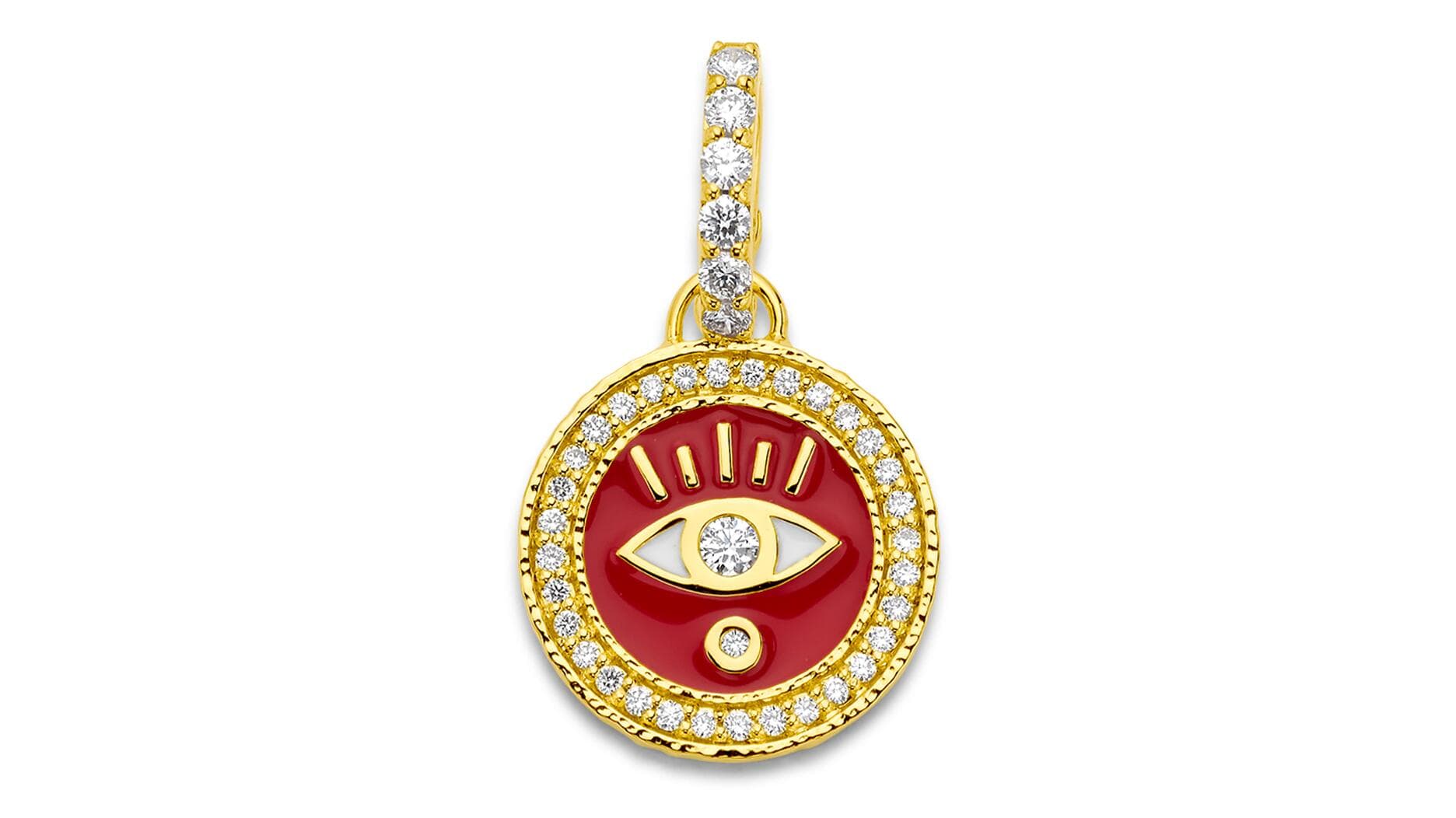
A charm no bigger than a thumbnail can change the whole language of a gold necklace. In a market where ounces matter, that small scale has become part of the appeal: miniature pendants, spacers and charm holders let people keep collecting without jumping straight into heavier, costlier pieces. The result is a look that feels personal, layered and quietly resourceful, with nostalgia doing as much work as karats.
Miniature has become the smart scale
The charm revival has gone decidedly small, and that is exactly why it reads as current rather than nostalgic alone. A recent roundup spotlighted 13 tiny gold charms from Buddha Mama, Harwell Godfrey, Yvonne Léon and other makers, all of them proof that the category has shifted from statement pendant to wearable punctuation.
Scale matters here. A tiny charm can be added, moved, reconfigured and worn in multiples, which gives the buyer more freedom than a single larger piece fixed to one chain.
A 13-piece charm roundup shows the appetite
Thirteen tiny charms may sound modest on paper, but the number says something larger about the market: there are enough distinct interpretations now to support a real category, not just a passing impulse. Some pieces lean sculptural, others playful, but the common thread is intimacy. They feel collected rather than purchased in one sweep.
That collecting instinct is central to the charm story. A buyer can start with one small pendant and continue building over time, which makes the category feel less like a finished purchase and more like an unfolding jewelry diary.
Charm holders and spacers give necklaces room to breathe
The smartest part of the trend is not always the charm itself, but the hardware around it. Charm holders and spacer beads change the architecture of a gold necklace by breaking up the line, keeping pendants from bunching, and giving each element its own visual space. They let a chain breathe.
That matters because miniature charms can disappear if they are crowded together. A spacer turns accumulation into composition, so the necklace reads as deliberate rather than overloaded.
Yellow gold does the visual heavy lifting
The strongest versions of the look are happening in yellow gold, which gives tiny pieces warmth and clarity. On a small charm, the metal is not just a frame, it is the body of the design, catching light and giving even the most minimal motif enough presence to read from a distance.
That is one reason the trend feels especially suited to a period of higher gold prices. Buyers still want gold, but they are choosing lighter weight and sharper design language instead of volume for volume’s sake.
Diamond accents keep the tiny scale from disappearing
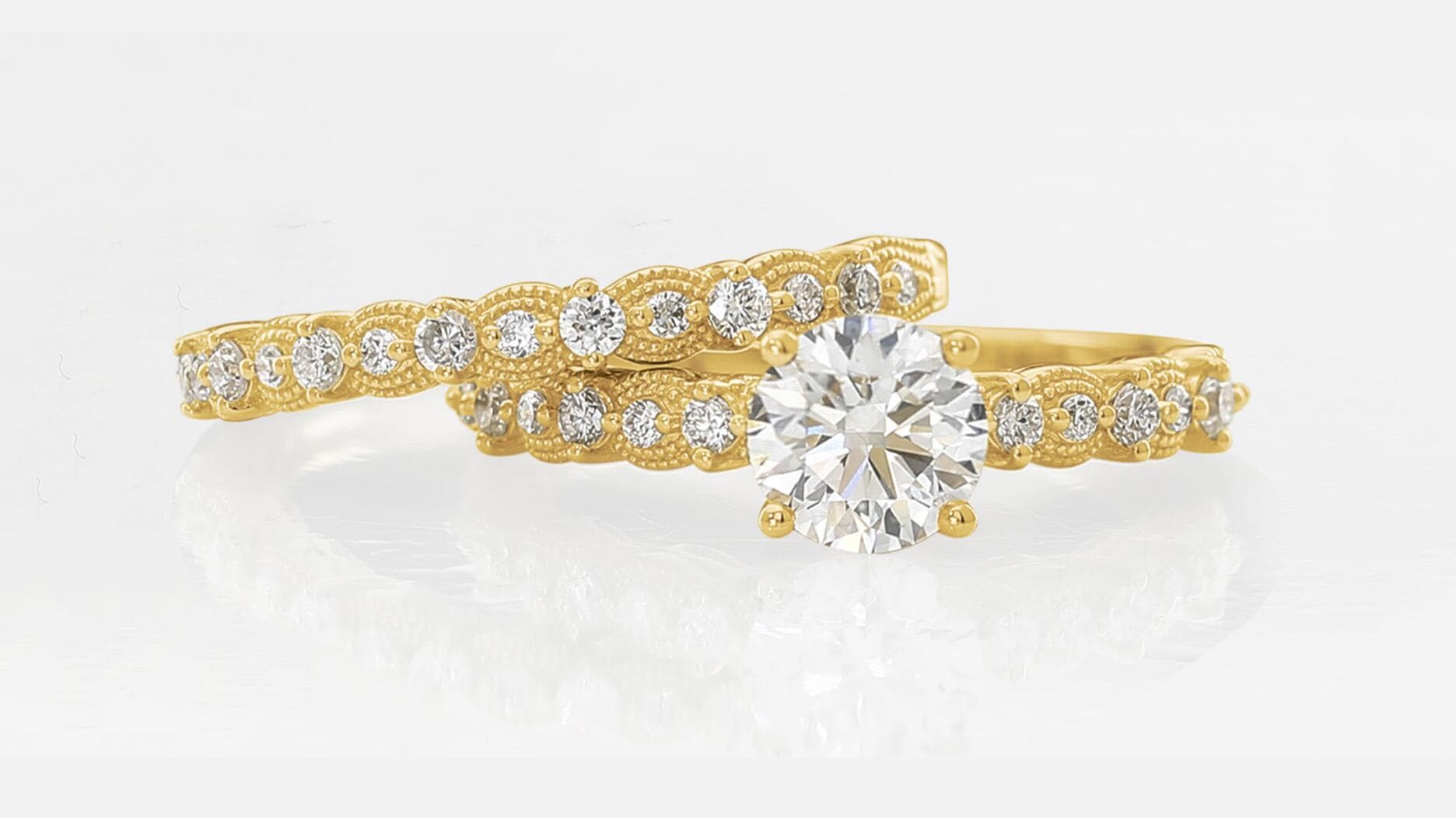
One of the most effective details in the current charm wave is a diamond accent set against yellow gold. The sparkle can be tiny, but on a miniature charm it acts like a spotlight, keeping the piece legible and giving it a lift that plain metal alone sometimes lacks.
At Las Vegas Jewelry Week, tiny charms were showing up on rings, bangles and hoop earrings, often with diamonds and mostly in yellow gold. That combination of shimmer and scale gives the pieces a polished edge, so they feel more jewel-like than souvenir-like.
The charm bar made customization feel urgent
The charm boom did not begin with the current price climate, and that is part of its strength. Charms and charm necklaces were already among eBay’s top searches in June 2024, and a viral charm bar drew so many customers that it had to close its line because demand became unmanageable.
That kind of scene changed the category’s perception. Custom charm-building stopped looking niche and started looking culturally fluent, the kind of jewelry ritual people wanted to do in public.
Gen Zalpha turned personalization into a habit
Claire’s and Theme pushed the idea further with a charm collection priced from $5.99 to $24.99, aimed squarely at Gen Z and Gen Alpha through a customizable accessories push. The point was not preciousness, but participation.

That lower price band matters because it shows how deep the personalization habit now runs. When younger shoppers learn jewelry as something they build, rearrange and remix, the idea of a charm necklace becomes less about occasion and more about everyday self-editing.
Nostalgia gives the trend emotional depth
Tiny charms work because they feel like keepsakes, even when they are newly made. The category sits inside a broader nostalgia jewelry cycle, and that emotional pull gives miniature pieces the weight that their size might otherwise lack.
This is where the trend becomes more than a styling trick. A small gold charm can suggest memory, luck, inheritance or simply the pleasure of carrying a private symbol close to the body.
Couture showed why smaller gold feels timely
At Couture in Las Vegas, around 300 brands exhibited, and the mood on the floor was notably more cautious and focused. Tariffs and rising raw-material costs, especially gold, were everywhere in the conversation, which sharpened attention on pieces that could still feel luxurious without demanding as much metal.
That market pressure helps explain the appetite for miniatures. Smaller charms preserve the idea of collecting while acknowledging that gold, as a material and as a cost, now asks buyers to be more selective.
Designers and retailers are leaning into the idea
The charm conversation is broad enough to include high jewelry houses and more accessible fashion players. Buddha Mama, Harwell Godfrey, Yvonne Léon, Melissa Kaye, Chantecler, Peruffo, Terzihan, Giovanni Ferraris, Chiarelli and Reena all sit somewhere in the orbit of this miniature mood, each proving that a charm can be treated as a tiny object of design rather than an afterthought.
That breadth is important. When the same impulse can appear in fine jewelry and in custom-friendly retail, the trend stops being a single look and starts becoming a shared language.

Charms are moving beyond necklaces
The newest charm styling is not confined to the chain. Tiny pendants are appearing on rings, bangles and hoop earrings, which makes the motif feel more integrated into the wardrobe and less tied to one standard necklace silhouette.
That expansion also reinforces the category’s versatility. A charm can act as a focal point on a ring, a dangling accent on a hoop, or a rhythmic detail in a bracelet stack, which is why the look feels so alive right now.
The difference between styling and clutter
With miniature pieces, restraint matters as much as abundance. One charm can read as a private signal, while too many without spacing can collapse into visual noise, especially when every element competes for attention in the same narrow strip of gold.
This is where charm holders and spacers earn their place. They keep the eye moving, preserve the individuality of each piece and prevent a necklace from turning into a crowded archive of good intentions.
Why the look should last
Tiny gold charms are thriving because they answer several desires at once: the wish to keep collecting, the pull of nostalgia, and the practical reality of expensive gold. They let jewelry lovers build a story in small, editable chapters instead of committing all at once to a heavier, pricier object.
That flexibility gives the trend real staying power. In a market that now rewards precision over excess, the smallest charm may be the most intelligent gold purchase in the room.
This article was produced by Prism’s automated news system from verified source data, official records, and press releases, then run through automated quality and moderation checks before publishing. The system is built and supervised by the people who set the standards it runs under. Read our full AI policy.
Did this article answer your question?