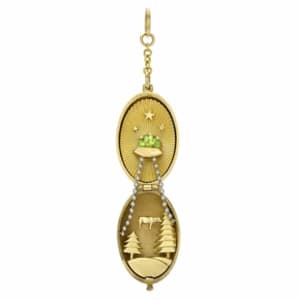
Western gold motifs ride into second half of 2026 trends
Cowgirl hats, horseshoes and fire horses are finding staying power when they’re scaled in gold and worn as charms, lockets and pins. The winning look reads polished, not costume.
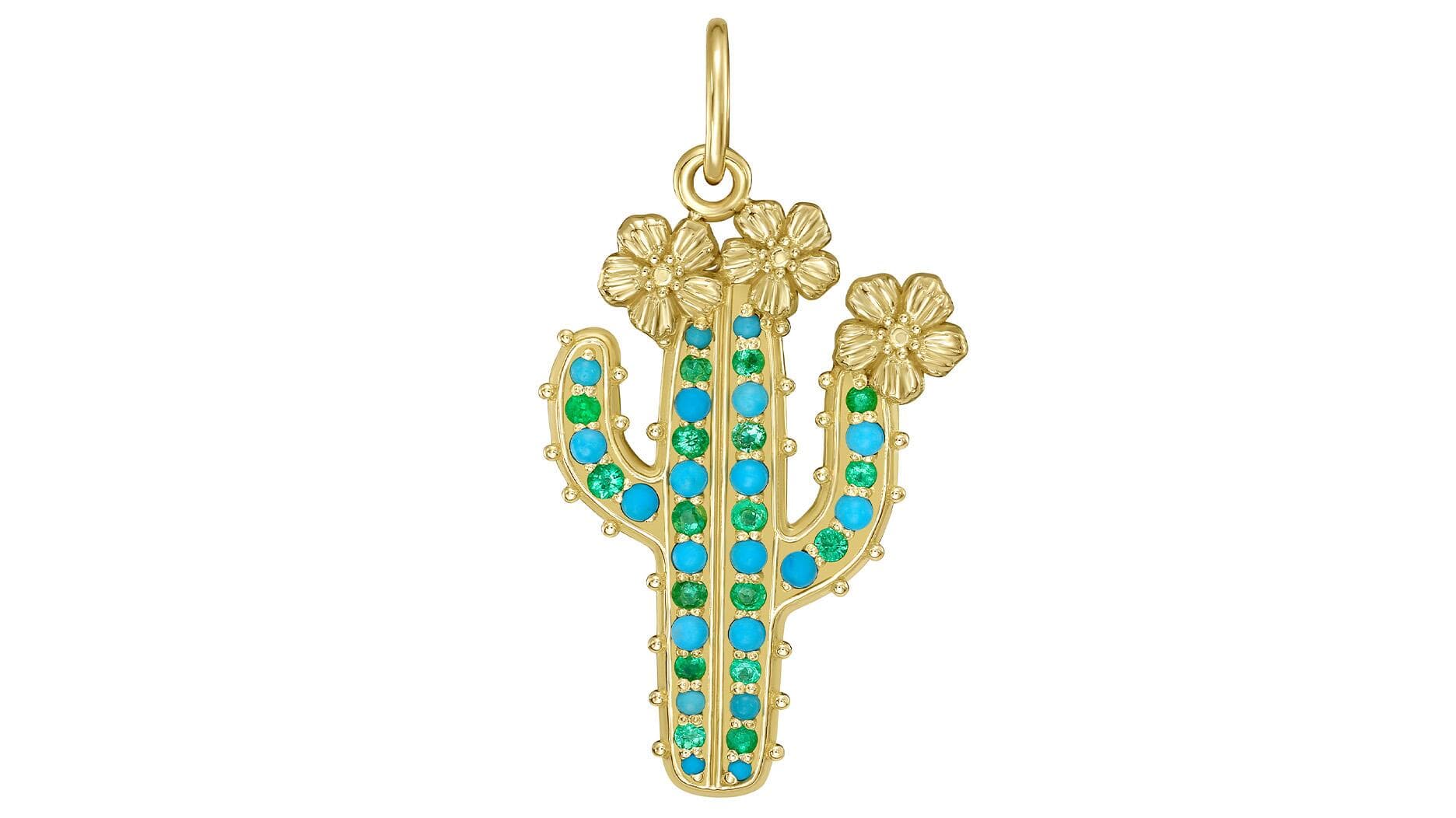
The western turn in gold jewelry is lasting because the strongest pieces do not shout cowboy, they whisper it. A 20-karat cowgirl-hat charm, a horseshoe pendant, a fire-horse brooch and an emerald-studded horseshoe locket all translate the theme into objects with real daily use, not just show-floor drama. That is the difference between a passing trade-show flourish and a look with commercial legs: the motifs are recognizable, but the scale is disciplined and the gold does most of the work.
What is resonating now is not costume western, with too much fringe and theatrical reference, but jewelry that borrows the iconography and strips it down to its most elegant form. A hat becomes a charm. A horseshoe becomes a pendant or locket. A horse becomes a brooch with movement and personality. The result feels collected rather than theme-driven, which is exactly why it is easier to sell, easier to wear and far more likely to stay in rotation after the second half of 2026.
Why gold makes the western story feel expensive, not literal
Gold gives western motifs a dressier register that silver often cannot. In warm metal, a cowgirl hat reads like a tiny sculptural object; in polished yellow gold, a horseshoe stops looking like a souvenir and starts looking like a good-luck talisman with polish. The metal softens the reference, especially when the silhouette is compact and the finish is smooth rather than overly textured.
That is also where the commercial strength lies. Clients who may never buy a fully themed western look will still reach for a charm, pendant or locket if the piece can live on a chain they already own. These are not one-occasion jewels. They sit naturally with a white shirt, a cashmere sweater, a plain tee or a tailored jacket, which is why they feel more like personal signatures than seasonal props.
The pieces with the clearest staying power
Buddha Mama’s 20-karat cowgirl-hat charm is the clearest example of the trend’s charm-driven appeal. The hat motif is unmistakable, but in charm size it becomes intimate, almost private, the kind of piece that can hang beside a plain medallion or a diamond initial without overwhelming the rest of a chain. In 20-karat gold, the softness of the alloy also reinforces the idea of luxury with warmth rather than flash.
Sylva & Cie’s horseshoe pendant works for a similar reason. The horseshoe is one of jewelry’s oldest good-luck symbols, which gives it a natural place in the wardrobe even before western styling enters the picture. As a pendant, it reads cleanly against the body and can be layered with round-link chains, bead strands or a second white-metal chain for contrast.
Monica Rich Kosann’s emerald-studded horseshoe locket pushes the motif into something more romantic and collectible. The locket form always adds narrative, since it suggests something kept close, and the emerald accents give the piece a more jewel-like presence than a plain horseshoe would have. It is the kind of object that can move from western reference to heirloom energy in a single gesture.
Harwell Godfrey’s fire-horse brooch is the most sculptural of the group and the one most likely to appeal to collectors who want the trend to feel artful rather than literal. A brooch gives the horse room to have movement, attitude and scale, and the western reference becomes more visual than obvious. Worn on a blazer lapel, a cardigan or even a ribbon-tied chain, it makes the strongest case for western motifs as wearable art.

What retailers will actually sell, and what clients will really wear
The pieces with endurance are the ones that can be styled in layers without looking like a Halloween version of the American West. That is why charms, horseshoes and lockets are the commercial center of gravity. They are small enough to stack, meaningful enough to feel personal and familiar enough to slide into an existing jewelry wardrobe.
Beads also matter here, especially when they are used as a soft counterpoint to heavier gold forms. A strand of gold beads or bead-like stations breaks up the solidity of a chain and brings a slightly more artisanal rhythm to the look. Paired with a western charm or horseshoe, beads make the styling feel less literal and more curated, as if the wearer has assembled the story over time.
Mixed white-metal pairings are equally important because they keep the look from becoming too monochrome or too themed. A yellow-gold horseshoe pendant on a white-metal chain, or a gold charm mixed into a necklace with silver links, cools the western heat just enough to make the piece feel urban and modern. That contrast is especially useful for clients who already wear mixed metals and want the trend to sit inside their existing habits, not replace them.
How to wear the trend without crossing into costume
The simplest way to wear western gold motifs is to let one piece carry the reference and keep everything else quiet. A cowgirl-hat charm works best as a single accent on a chain, not surrounded by a dozen competing charms. A horseshoe pendant can anchor a layered necklace stack, but it should not fight with too many other symbols at once. The more precise the styling, the more expensive the result looks.
Brooches deserve the same discipline. A fire-horse pin makes the sharpest statement when it has room to breathe, especially on a lapel, shoulder or collar. Lockets reward a cleaner neckline, where the front detail and any gemstone accents can be seen clearly rather than buried in a crowded stack.
The western gold story is proving durable because it understands proportion. It borrows from a vivid American visual language, then recasts it in forms that feel wearable, giftable and collectible. That balance, between icon and object, is what will keep these motifs riding well beyond the trade-show floor.
This article was produced by Prism’s automated news system from verified source data, official records, and press releases, then run through automated quality and moderation checks before publishing. The system is built and supervised by the people who set the standards it runs under. Read our full AI policy.
Did this article answer your question?