Alt engagement rings and stacked bands reshape wedding jewelry
Wedding jewelry is becoming a layered identity, with alt engagement rings, stacked bands, and colorful stones moving from niche to mainstream.
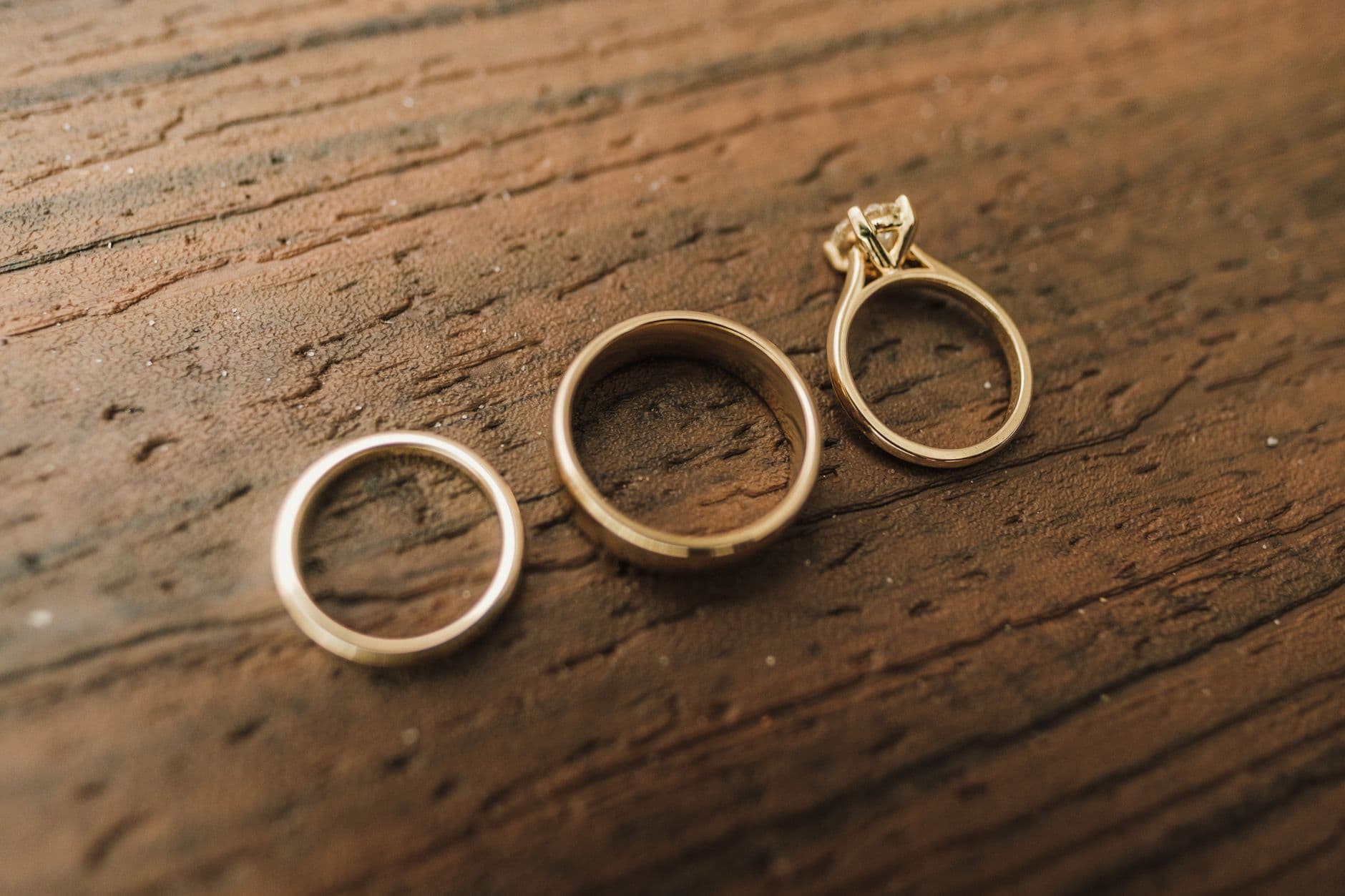
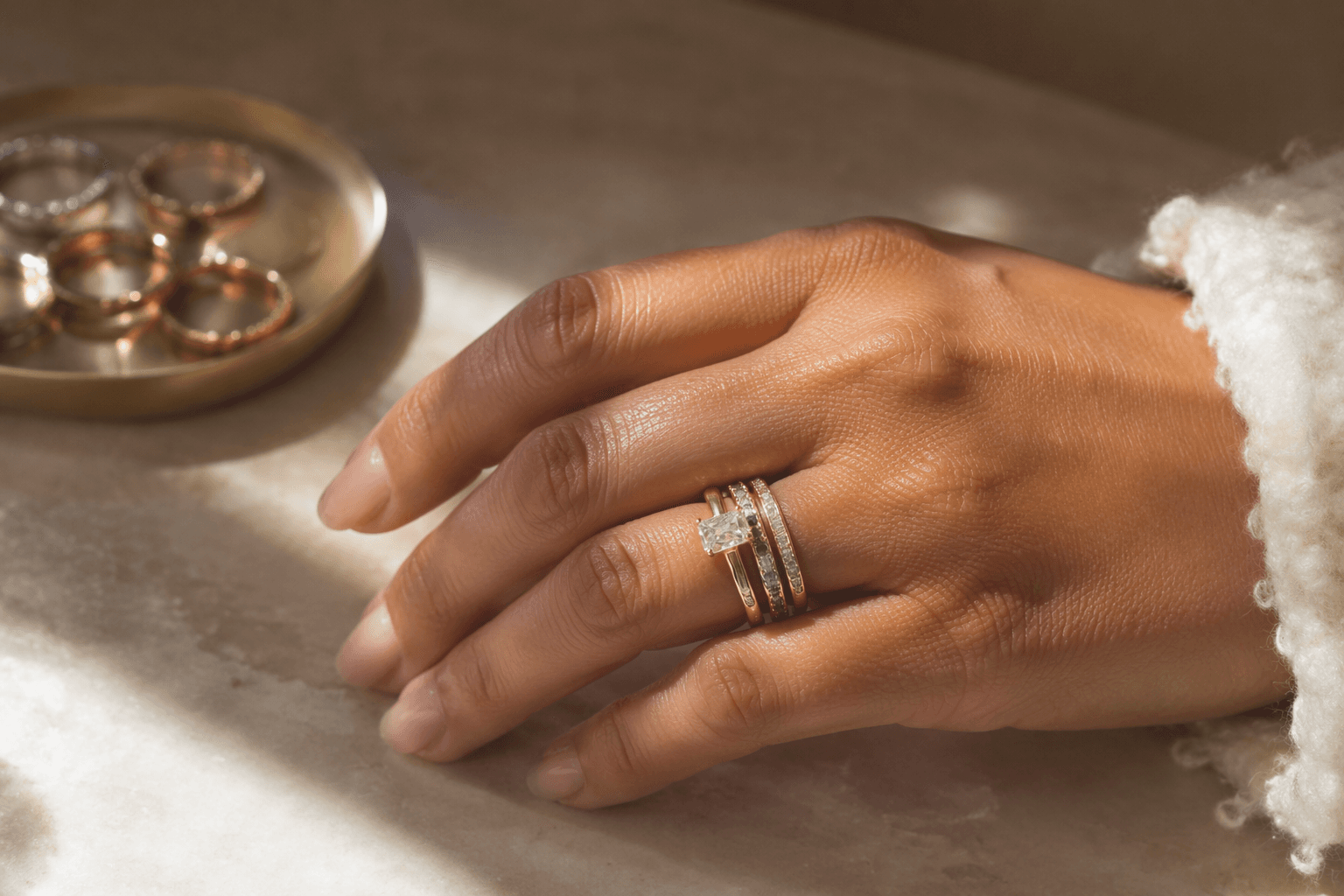
The modern bridal look is no longer built around a single ring meant to say everything. Couples are assembling wedding jewelry as a layered identity system, pairing engagement rings with stacked bands, heirloom pieces, and nontraditional stones to create something more personal than prescribed. What was once framed as an alternative is now showing up as the default language of bridal style.
The bridal stack is becoming the statement
JCK’s latest reporting makes clear that alternative engagement rings are not reading as a passing experiment anymore. The shift is being driven by Gen Z, by social media-shaped taste, and by the wider alt-wedding movement, which favors personalization over tradition. Pinterest has even given the look its own label, calling these styles “alt wedding rings,” a sign that the aesthetic has moved from fringe inspiration to searchable category.
That matters because wedding jewelry has always been about symbolism, but the symbol is changing. Instead of placing all the emotional weight on one solitaire, couples are building a small visual system on the hand, one that can include a center ring, a wedding band, an anniversary band, and even family pieces folded into the mix. The effect is less rigid, more collected, and far more revealing of individual style.
The data shows a market built for personalization
The appetite for wedding inspiration online is enormous. Pinterest’s 2024 wedding report recorded more than 3 billion wedding-related searches and more than 10 billion wedding ideas saved globally in a single year, which helps explain how quickly styling ideas can spread from niche corners into mainstream bridal conversations. Once thousands of people are saving the same references, the language of wedding jewelry begins to shift in real time.
The Knot’s 2024 Jewelry & Engagement Study, based on more than 7,000 recently engaged or married couples in the U.S., shows how that shift is translating into purchasing behavior. The average engagement-ring carat size reached 1.7 carats, up from 1.5 carats in 2021, while another 2024 report cited by the company says U.S. couples spent about 5% less on engagement rings than they did in 2023. That combination tells a useful story: buyers are choosing larger-looking or more visible stones, but they are also spending more carefully.
Lab-grown diamonds are a major part of that equation. In the cited 2024 report, they accounted for more than half of all engagement rings purchased, which helps explain why bigger center stones no longer automatically mean a leap into a far higher price bracket. Jewelers Mutual’s 2024 engagement ring study found respondents’ ring values generally fell between $2,500 and $5,000, a range that reflects both practical budgeting and the new flexibility of the market.
Color and contrast are back in the bridal conversation
Another reason the stack feels so current is that it is no longer limited to one diamond vocabulary. The Knot says stacked wedding rings are one of the hottest jewelry trends right now, and Pinterest’s 2025 wedding trends report pointed to the return of colorful engagement rings. Together, those trends suggest that brides and grooms are looking beyond sameness and toward contrast, using hue and texture to make the hand feel composed rather than uniform.
Color changes the emotional register of bridal jewelry. A pale diamond solitaire stacked with a gold pavé band reads differently from a sapphire center stone surrounded by slim metal bands or from a ring paired with an heirloom setting that carries its own patina. The point is not excess for its own sake, but specificity: a look can now hold sentiment, status, and style without pretending those things are the same.
What the new wedding jewelry language says about taste now
The deeper story here is not just that couples are buying different rings. It is that they are treating wedding jewelry as something edited over time, with room for different chapters, different metals, and different levels of formality. A traditional engagement ring can still anchor the look, but it is no longer expected to do all the work on its own.
That is why the rise of alternative rings feels so durable. Social media made experimentation visible, the alt-wedding movement made it culturally legible, and the market responded with more stones, more stacking, and more freedom to mix old and new. Bridal styling is moving toward a future in which the most interesting hand is not the most literal one, but the one that tells the clearest story.
This article was produced by Prism’s automated news system from verified source data, official records, and press releases, then run through automated quality and moderation checks before publishing. The system is built and supervised by the people who set the standards it runs under. Read our full AI policy.
Know something we missed? Have a correction or additional information?
Submit a Tip