Georgian-Set Diamonds Return With Candlelit Glow and Seamless Stacking
Three lengths, one old-world sparkle: Georgian-set diamonds are back because they soften a stack and make modern layers look intentional.
Three numbers: 16, 18, and 22. That is the simplest way to make a Georgian-set diamond feel current in a layered necklace story, and it explains why this antique setting is suddenly moving from heirloom territory into everyday styling. The look has a softer, candlelit glow than the high-shine polish that dominated recent stacks, and that contrast is exactly what makes it feel fresh now.
Why the setting feels new again
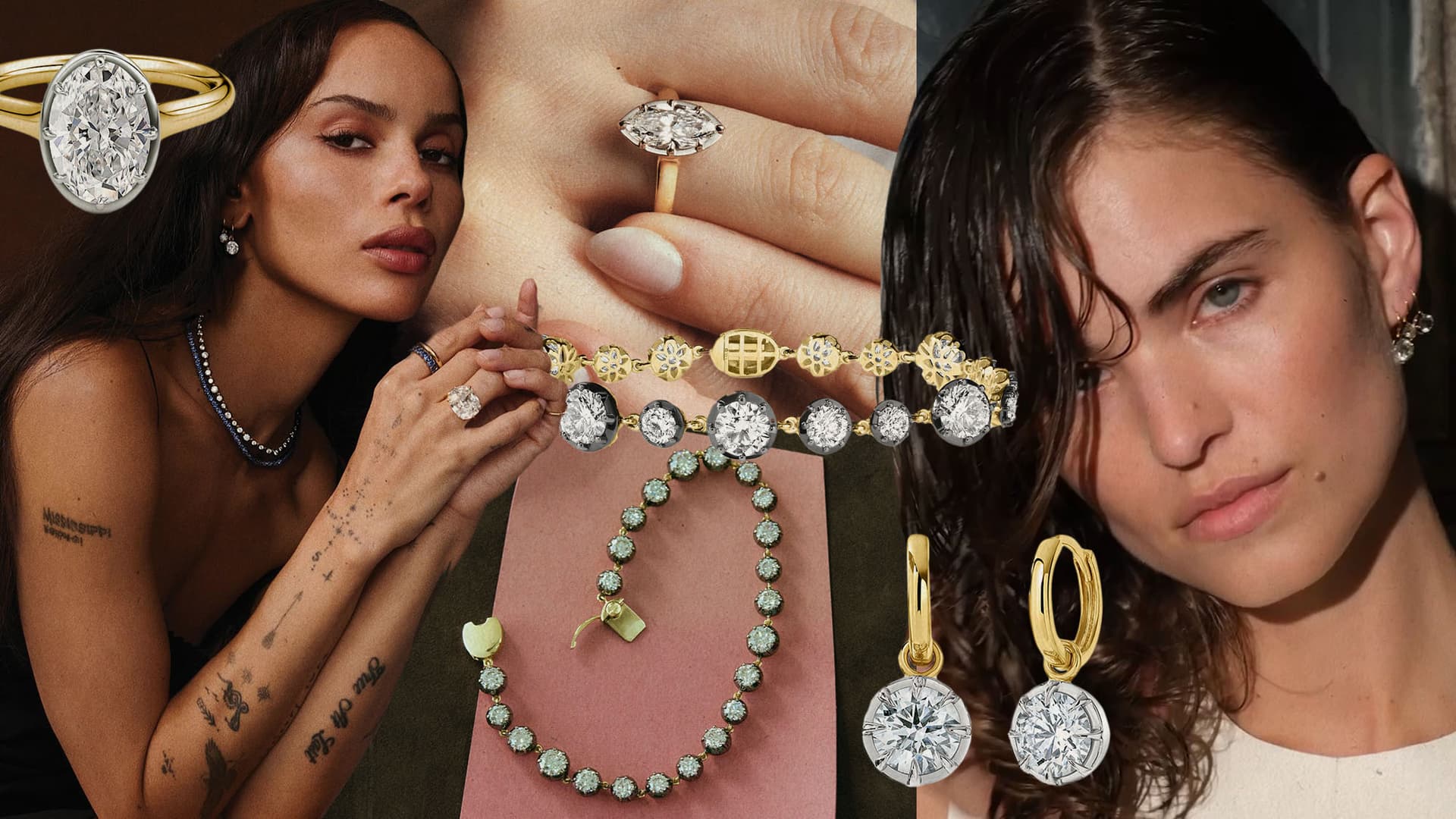
Georgian-set diamonds come from the Georgian era in the United Kingdom, when jewelry was made for candlelight, not modern LEDs. The setting typically uses a cut-down or collet-like mount with a slightly raised rim and chunkier prongs, so the stone does not flash with sharp, hard brilliance. Instead, it gives off a moody, softer sparkle that reads intentionally old-world rather than overly polished.
That matters in a layering moment because the eye is tired of uniform shine. A Georgian-set stone breaks the rhythm of crisp curb chains, mirror-finished gold, and dense pavé by adding texture and shadow. It looks especially convincing beside modern pieces because it does not compete with them; it warms them up.
The comeback is really about contrast
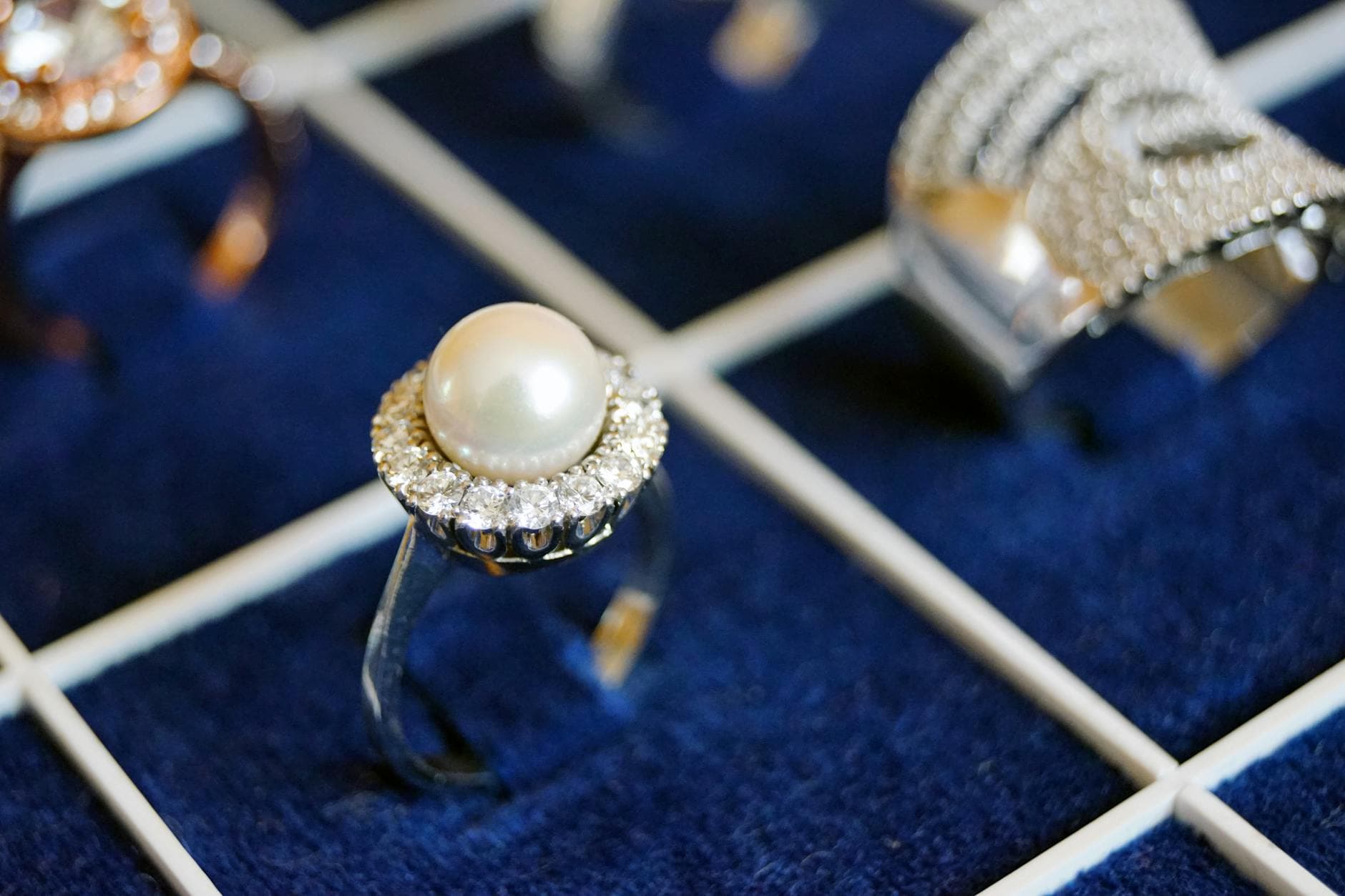
The appeal is not nostalgia for its own sake. It is the tension between antique restraint and contemporary styling. A Georgian-set diamond sits flush with a wedding band, which makes it especially appealing for seamless stacking, but the same quality also works in necklace layering: one softly glowing centerpiece can anchor a stack of harder-edged chains, pendants, and polished links.
That is why the style now feels less fussy than it once did. In a stack, the setting stops looking precious in the museum sense and starts looking useful. The softer sparkle acts like a dimmer switch, bringing the whole composition down a notch so the mix feels editorial instead of overstyled.
How the look is built
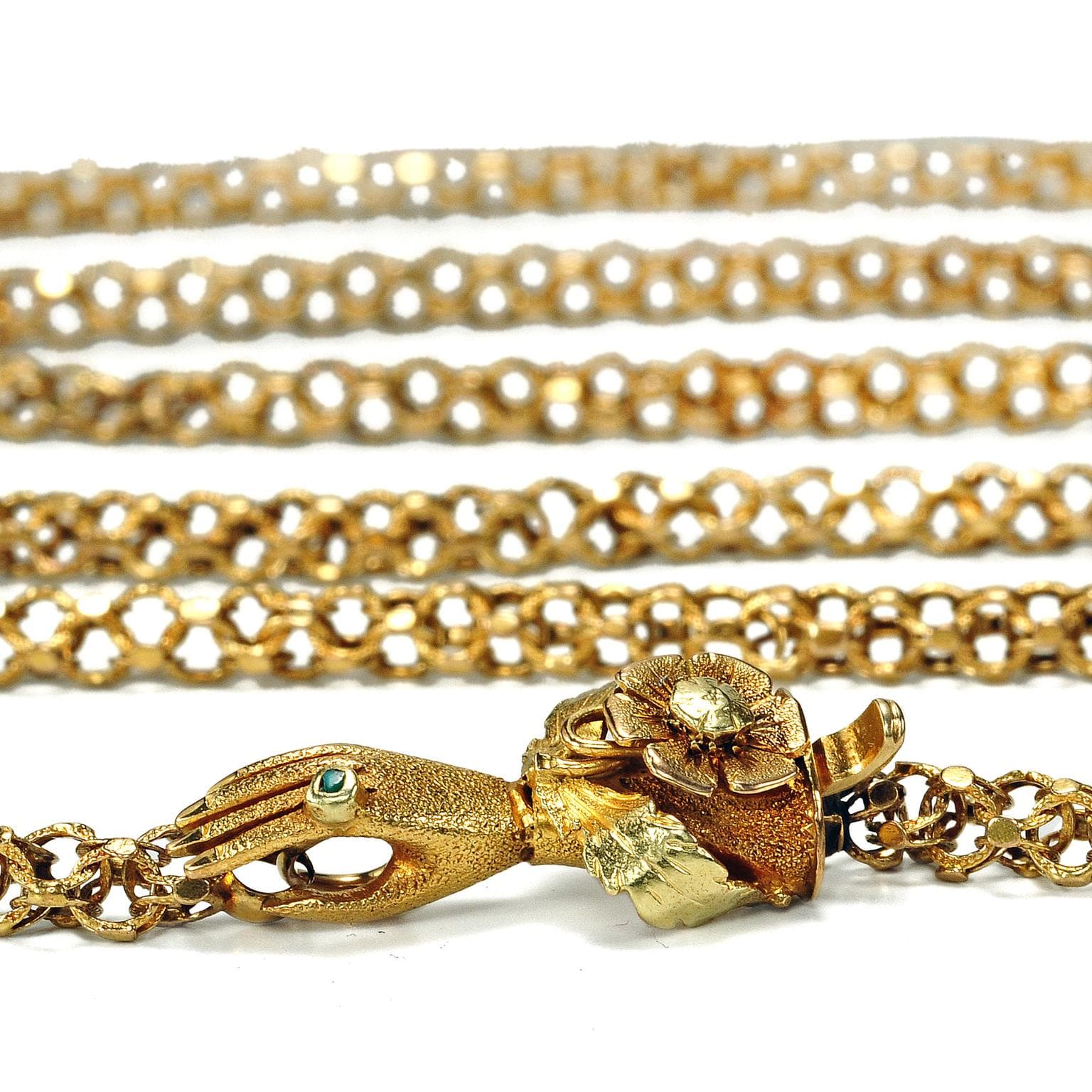
Visually, Georgian jewelry is easy to spot once you know what to look for. Search for diamonds set into gold collets, often with a raised rim around the stone and prongs that look a little fuller than the ultra-sleek mounts common in contemporary fine jewelry. The effect is not icy; it is luminous, with an antique softness that feels closest to candle flame than studio lighting.
That is also why antique-cut stones belong so naturally here. Sotheby’s notes that cushion cuts were designed to maximize brilliance in candlelight, and that original purpose still explains the romance of the look. Christie’s auction listings continue to show Georgian diamond rings from roughly 1800 to 1830 with rose-cut, old-cut, and cushion-cut stones mounted in silver and gold, which reinforces that this is not a borrowed aesthetic. It is a living fragment of actual period jewelry.
The modern version is not a costume
Jessica McCormack has been central to the return of the style. The brand says its Button Back rings combine Georgian cut-down settings with modern gold bands, and that they have become iconic to the house. It also says the rings are handcrafted by in-house artisans using traditional goldsmithing techniques, which matters because the appeal is not just the antique reference but the quality of the execution.
McCormack’s Georgian Loop rings push the idea further by framing a Georgian cut-down-set diamond with two loops of polished yellow gold. That combination is the key lesson for layering: keep one piece old in spirit, then let the rest stay clean and contemporary. A Georgian-set center stone with a slim modern chain, a plain gold pendant, or a minimal connector necklace creates the exact tension that makes the trend feel wearable now.
What the market shift says about taste
Corina Madilian of Single Stone has been reading the room from the vintage and heirloom side. She has seen clients move away from heavily standardized oval diamonds, super-white stones, and micro-pavé shanks toward rings that feel more original and less trend-driven. She has also pointed to lab-grown diamonds as one reason some couples are turning back toward distinctive natural stones, warmer colors, and antique-inspired designs.
That shift is larger than one setting. It suggests a broader rejection of sameness. In jewelry, originality now often looks less like flawless symmetry and more like a piece with visible history, warmer color, and a little irregularity in the light. Georgian-set diamonds deliver exactly that without needing to shout.
Celebrity visibility helps, but the styling does the real work
Zendaya’s engagement ring from Jessica McCormack gave the style instant visibility, while Zoë Kravitz has worn Georgian-set diamond pieces in an undone, layered way that makes the look feel lived-in rather than ceremonial. That matters because the strongest argument for the trend is not that it is rare, but that it can be worn casually with modern stacks and still look deliberate.
For a reader building a stack, the takeaway is simple: let one antique-leaning piece carry the texture, then keep the rest lean. A Georgian-set pendant or ring can sit beside a box chain, a slim gold collar, or a plain charm without losing its identity. The more modern the surrounding pieces, the more that soft candlelit glow stands out.
The three-length system that keeps layering clean
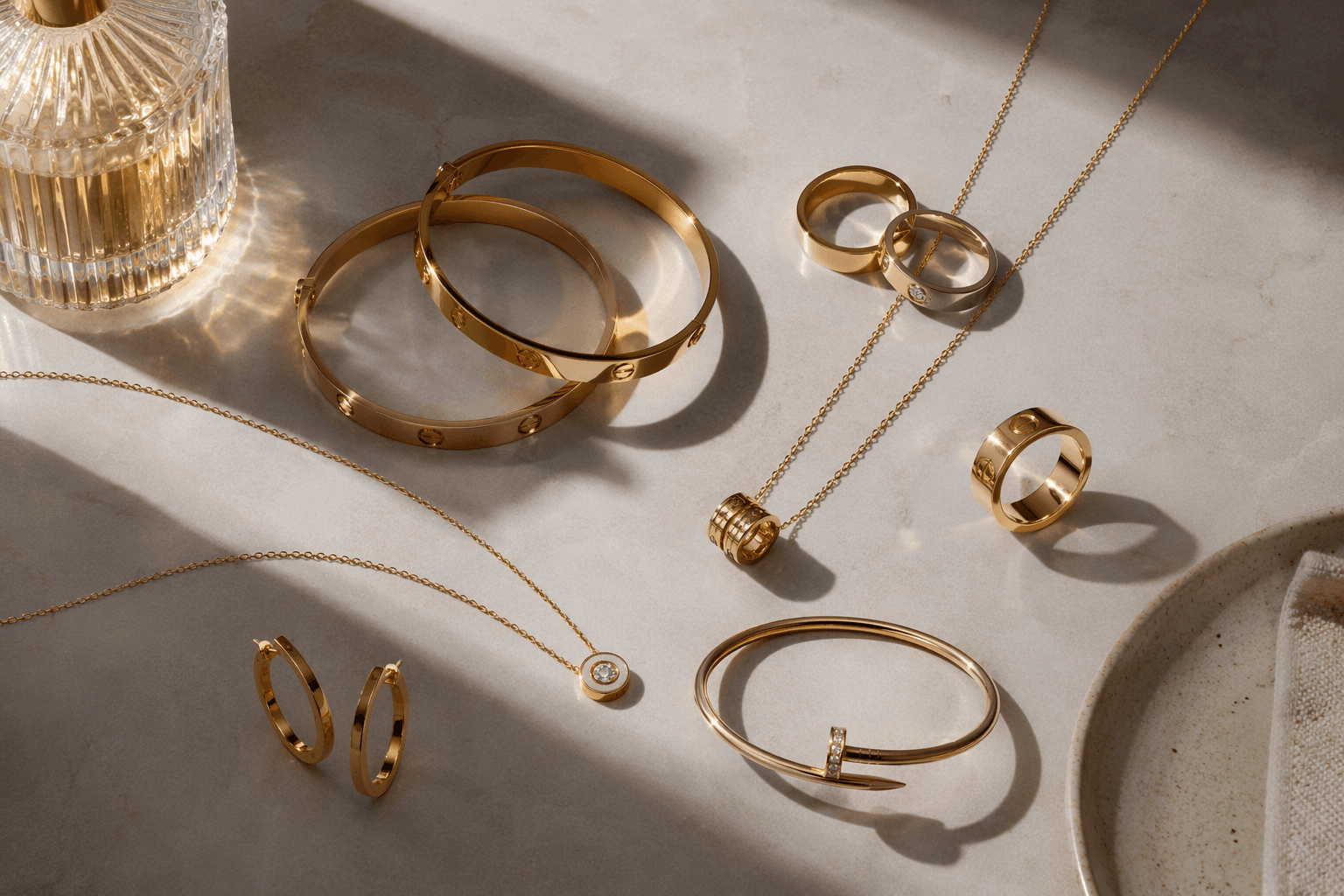
Use the 16, 18, and 22 rhythm as a visual rule. The shortest chain stays closest to the throat, the middle layer gives the eye a resting point, and the longest chain lets the antique-inspired piece breathe. If the Georgian-set stone is your focal point, place it where the chain line is not fighting the neckline, then let the other lengths create space around it.
The exact moment layered jewelry starts failing in real life is when every strand lands at the same point and begins to tangle, flip, or disappear into one another. If you can see three distinct lines and one clear focal glow, the stack works. If the chains clump into a single reflective mass, the old-world softness gets lost.
How to pair one old-world piece with modern jewelry
- Put the Georgian-set diamond in the middle layer, then use cleaner metal surfaces above and below it.
- Choose a plain yellow-gold chain or a pared-back pendant so the antique setting remains the most textural element.
- Keep the palette disciplined. Yellow gold with a Georgian-set stone looks especially coherent, while too many mixed finishes can flatten the candlelit effect.
- If you wear a ring stack, let the Georgian-set piece sit flush against a band and keep adjacent rings simpler, so the silhouette reads as one continuous line.
The point is not to build a period costume. It is to let one antique detail give the whole stack depth.
Why this comeback will last
Georgian-set diamonds are returning because they answer a problem modern fine jewelry created for itself: too much polish can make a stack feel cold and predictable. These older settings restore softness, and softness is what makes layered jewelry feel rich rather than merely expensive. The result is a look that can move from ring to necklace, from heirloom to everyday, without losing its sense of history or its place in a contemporary wardrobe.
This article was produced by Prism’s automated news system from verified source data, official records, and press releases, then run through automated quality and moderation checks before publishing. The system is built and supervised by the people who set the standards it runs under. Read our full AI policy.
Did this article answer your question?