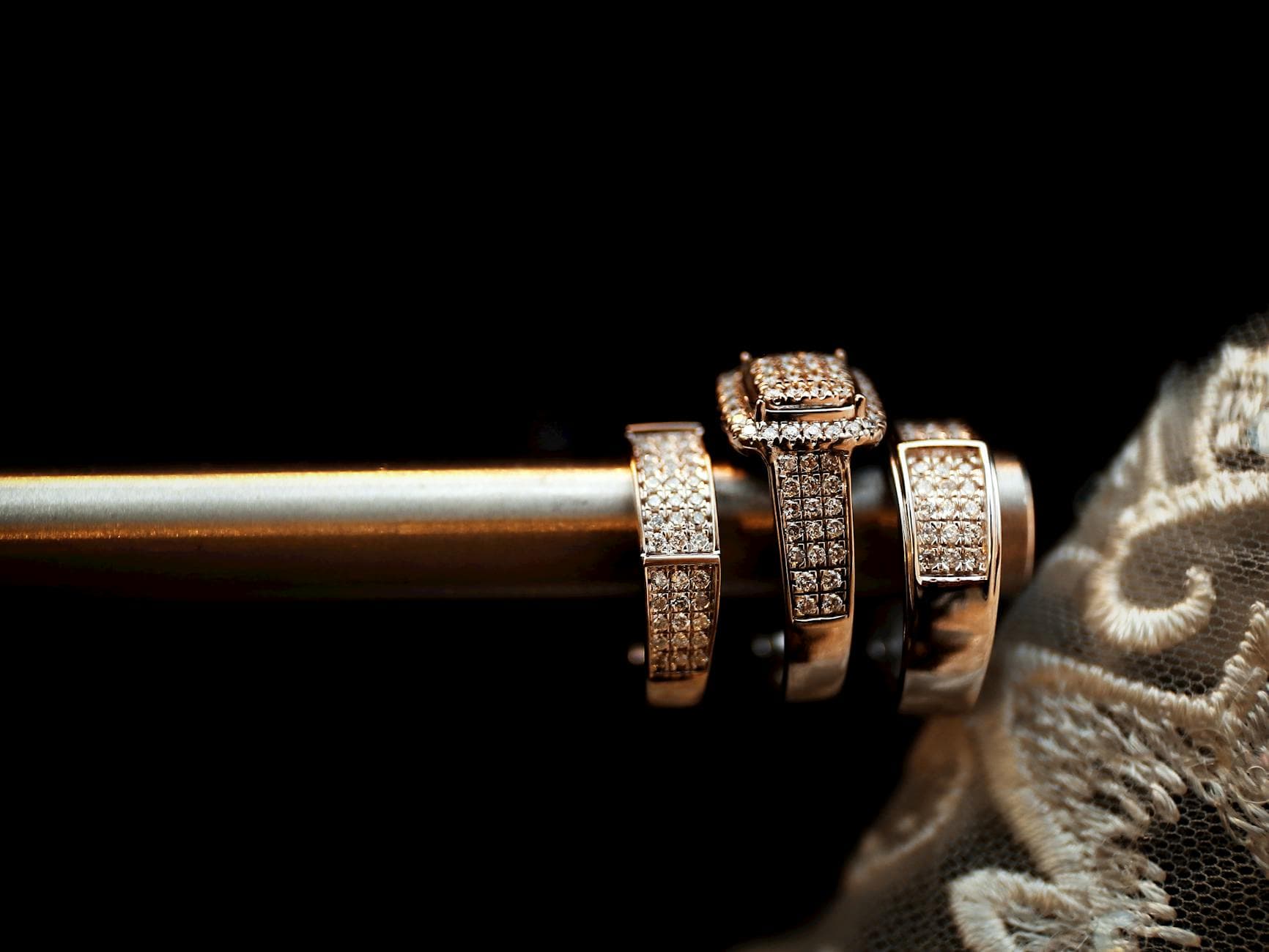
How to layer necklaces, from chain lengths to textures
Necklace layering has moved from crowded piling to intentional composition. The modern stack relies on proportion, texture contrast, and smarter clasping, with history on its side.
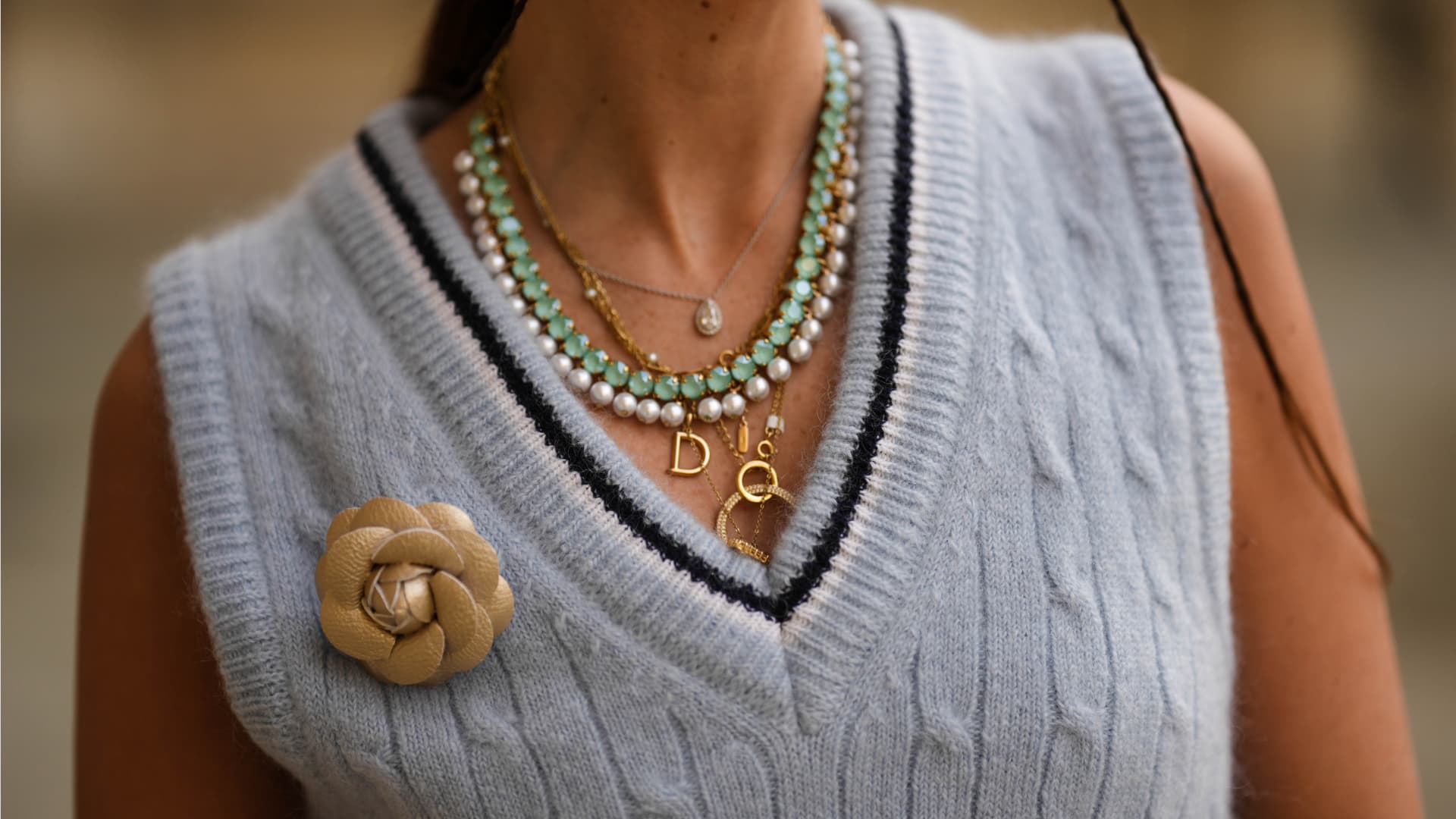
The new rule is intentionality
The best necklace stacks now look edited, not accumulated. What used to read as a tangle of chains has become a studied arrangement built on proportion, texture contrast, and the kind of clasp technology that makes layering feel easy instead of fussy. That shift fits a broader return to maximalism in jewelry, but the mood is different from the old anything-goes look. Today’s layered necklace is meant to read as a composition.
Why layering feels different now
JCK’s 2025 trend reporting is blunt about the turn: maximalism came back into jewelry, and layering came back with it, especially through long necklace revivals and multistrand chain layering that echoes the early aughts. The difference is that the new version is less about packing on volume for its own sake and more about making every strand earn its place. The result is a stack that still feels rich, but not crowded.
That aesthetic shift matters because it answers the problem that old layered looks often had: visual noise. When necklaces sit at the wrong lengths or all carry the same weight, the eye loses the line of the body. The modern approach gives the stack breathing room, so each chain can be seen, not swallowed by the one beside it.
Start with proportion, not quantity
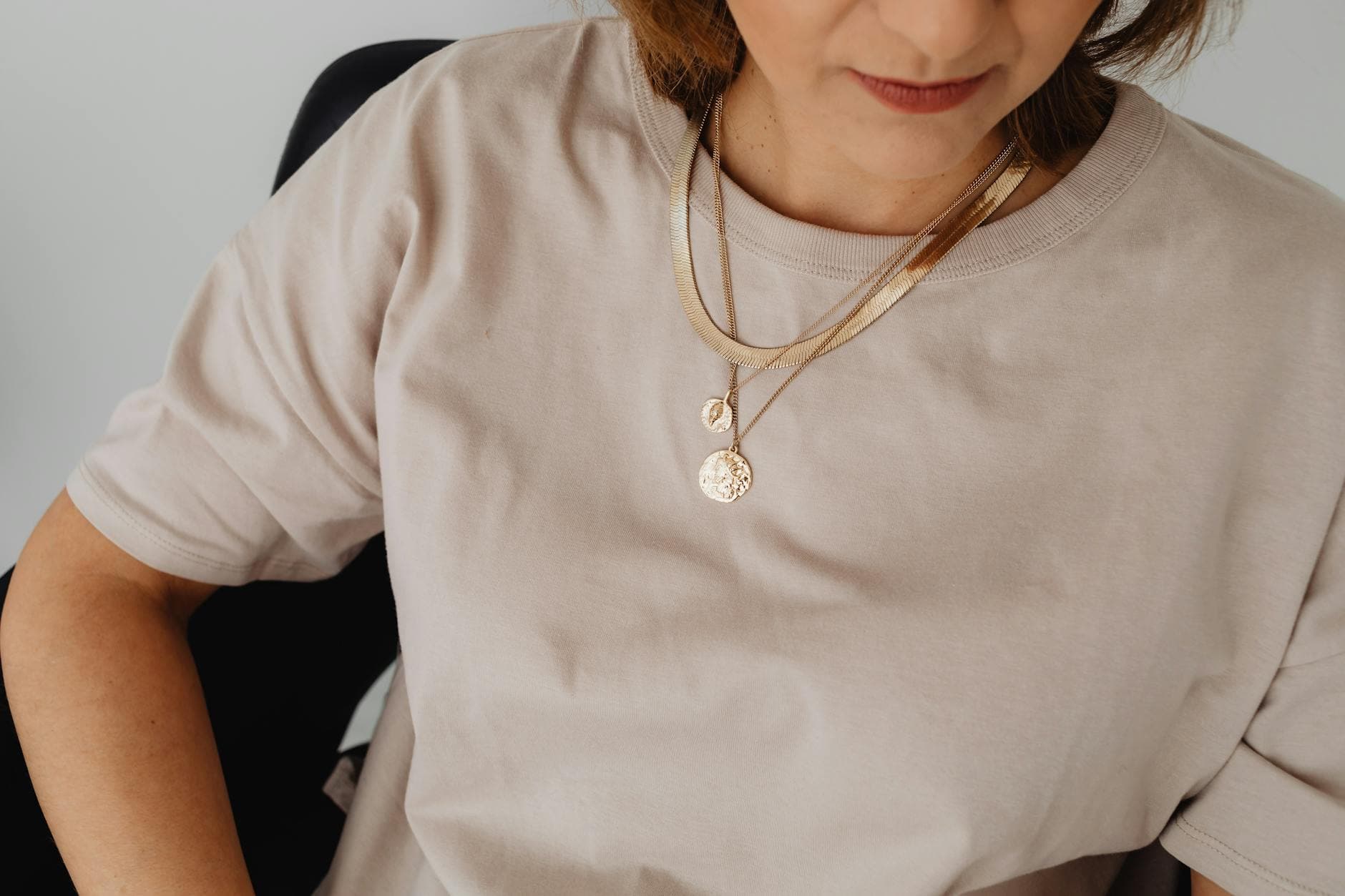
Proportion is the first decision that makes a layered necklace look deliberate. Mixing chain lengths creates space between pieces, which lets pendants, links, and clasps register as separate design elements rather than one fused mass. A short chain near the collarbone, a mid-length layer, and something longer establish a vertical rhythm that feels composed.
The point is not to add more and more strands. It is to build a visible hierarchy, so the necklace closest to the neck acts like a frame while the lower layers do the work of movement and depth. When proportion is right, even a simple chain can look expensive because it has room to breathe.
Texture is what keeps the stack alive
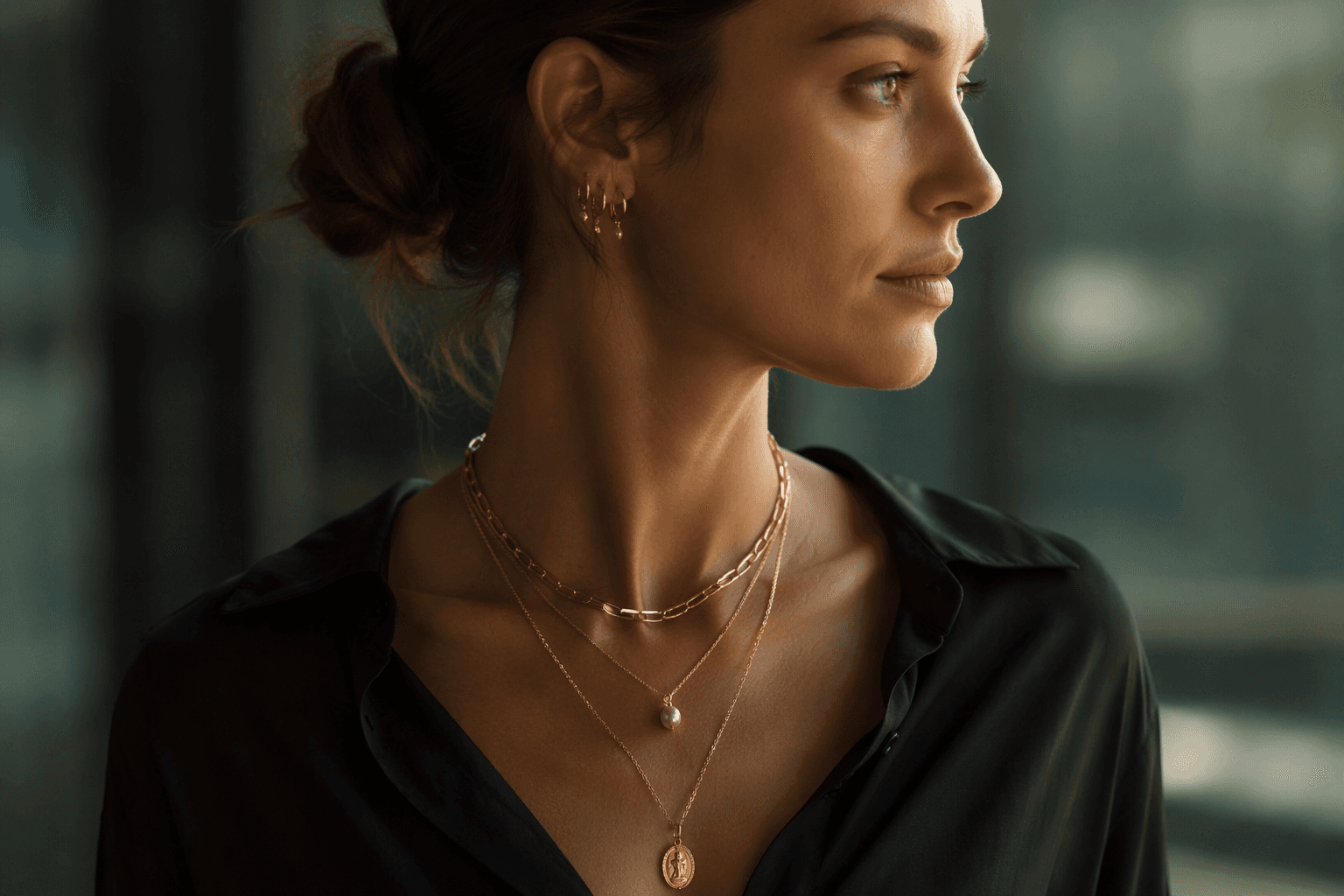
Texture contrast is the second rule, and it is what keeps layered necklaces from flattening into sameness. Smooth curb or cable links sit differently against beaded strands, and polished metal behaves differently from matte or more sculptural finishes. That contrast matters as much as length because it gives the eye somewhere to land.
The most effective stacks use at least two different visual languages. A fine chain paired with a heavier link reads as intentional because the two elements answer each other instead of competing. Even when the palette stays monochrome, the textures can carry the whole look.
Clasp technology changed the game
A layering clasp is one of the quiet reasons the modern necklace stack has become easier to wear. Instead of fighting with separate chains that twist together, a clasp system can hold multiple strands in place and preserve the spacing between them. That small piece of hardware turns layering from a balancing act into a finished construction.
This is where the newer approach departs from the old cluttered look. Earlier layered styles often depended on luck, constant adjustment, and the hope that the chains would fall neatly once worn. With a layering clasp, the structure is part of the jewelry itself, so the effect looks cleaner from the start.
The look has deep roots, even if the styling is new
Layered necklaces may feel current, but the form is ancient. The Metropolitan Museum of Art’s jewelry history materials point to layered and multi-strand necklace forms in early jewelry, including finds from graves such as the four strands of beads from the so-called Great Death Pit at Ur. That history matters because it shows that stacking necklaces is not a trend invented by the social feed. It is a recurring way of dressing the body in ornament.
The 1920s added another chapter. Britannica’s flapper reference describes long strands of beads among the typical accessories of the style, and that association still shapes how people read a layered necklace today. The flapper silhouette made long beads feel modern, mobile, and independent, which is exactly why the shape keeps coming back whenever fashion wants jewelry to feel expressive rather than merely decorative.
Why the category still has momentum
The commercial scale of jewelry helps explain why layering keeps returning as a styling language. Statista projects worldwide jewelry revenue at US$408.64 billion in 2026, a figure that underscores how central this category remains to fashion and fine jewelry alike. When a market is that large, styling habits become part of the product story, not just an afterthought.
That is why necklace layering keeps resurfacing in new form. It can refresh existing pieces, make a simple chain feel current, and give collectors a way to wear sentimental and investment pieces together. It also lets craftsmanship show itself more clearly, because a well-made clasp, a refined chain finish, or a thoughtful pendant scale becomes visible inside the stack.
How the modern stack reads best
The strongest layered necklaces share three qualities: proportion that gives each chain a role, texture contrast that keeps the eye engaged, and fastening that holds the composition steady. Those are not just styling tricks. They are the difference between a stack that looks assembled and one that looks designed.
That is the real change in necklace layering now. The trend has not become smaller, only sharper. What used to be ornament piled on ornament has become an intentional language of line, surface, and structure, and that is exactly why it feels relevant again.
Know something we missed? Have a correction or additional information?
Submit a Tip