JCK 2026 preview: layering and versatility shape jewelry priorities
Gold is forcing layering to work harder in 2026, and JCK points to a richer mix of color, modularity and sculptural detail in place of one oversized buy.
The most important jewelry story for 2026 is not simply that gold is expensive. It is that the cost of gold is changing the shape of what feels luxurious, pushing layering into a smarter, more intentional register.
JCK sets the tone from the show floor
JCK returns to The Venetian Expo in Las Vegas, Nevada, from May 29 to June 1, 2026, with Luxury running May 27 to June 1, including invitation-only days on May 27 and May 28. The theme, In Your Element, feels especially apt for a market where exhibitor strategy is being pulled by gold pricing, stronger use of color and a renewed demand for versatility. JCK is also expanding the conversation beyond jewelry alone with a new Lifestyle Pavilion, while Timepieces at Luxury and JCK will bring in Movado, Citizen Watch US, Frederique Constant, Alpina Watches, Victorinox, Shinola, Bulova, G-Shock and Casio.
That broader framing matters because layering is no longer just a styling trick. It has become a retail answer to a more complex consumer mood, one that wants impact, adaptability and the feeling of a completed look without committing to a single oversized purchase.
Why gold pressure is making layering look more desirable
Inflation, tariffs and gold-price spikes have already reshaped entry-level price points, and the pressure has only intensified as spot gold reached as high as $4,629.94 per ounce in January 2026 after rising sharply through 2025. JCK’s own market coverage has paired that reality with a warning from Northcoast Research’s Jim Sanderson that jewelry sales have held up surprisingly well, even as consumers may be approaching a point of resistance. In other words, the market is still buying, but it is buying with more scrutiny.
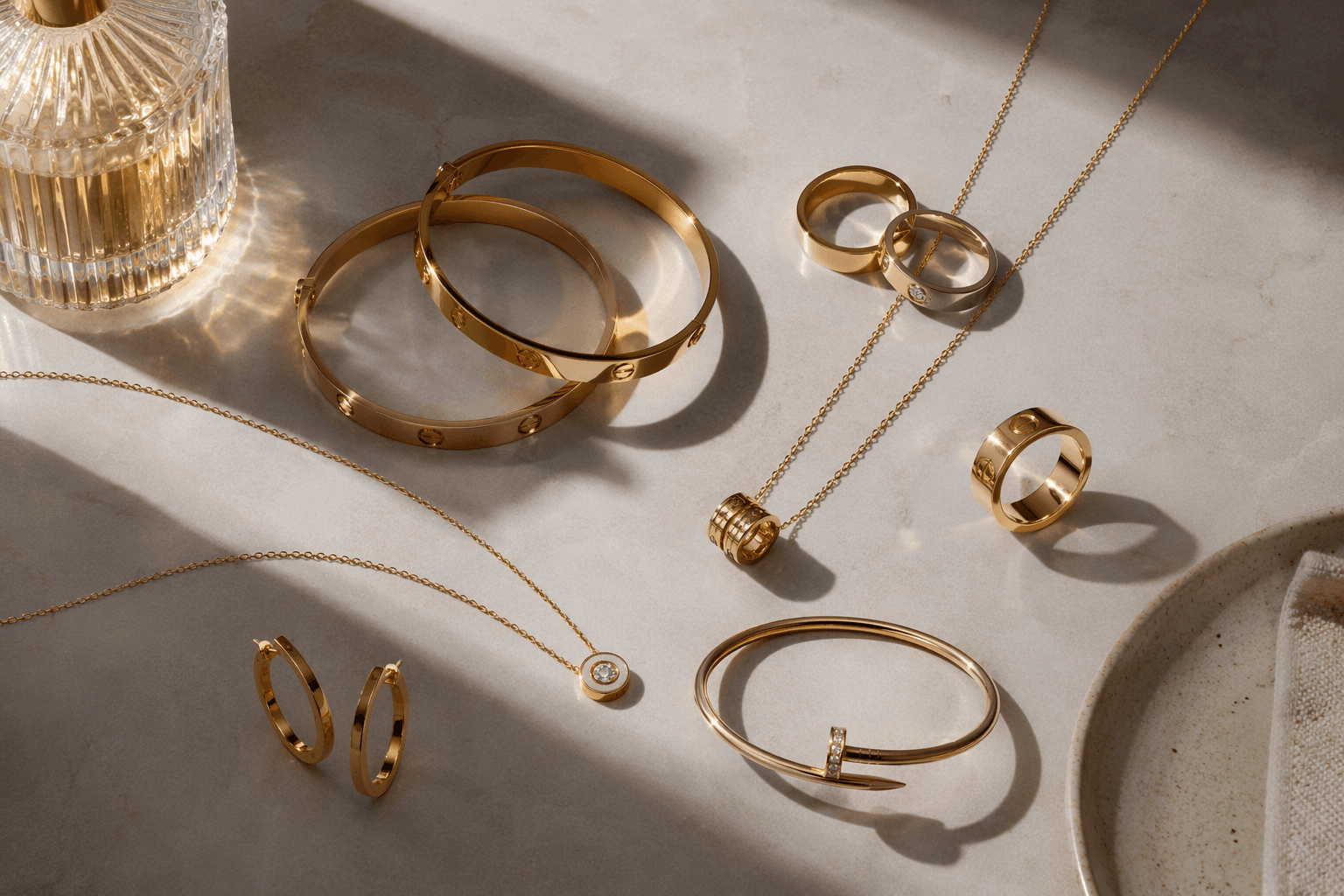
That is exactly where layered jewelry gains traction. A necklace stack, bracelet stack or mixed-metal wrist story lets a buyer build visual richness over time, rather than making one large outlay in heavy gold. The best pieces now have to do double duty: they need to look substantial, but they also need to justify their price with construction, craftsmanship and a clear point of view.
Color, weight and storytelling are driving the new layering code
JCK’s May 4 preview made the trend line explicit: gold prices, diamonds, color and versatility are shaping both exhibitor strategy and retail priorities. Brecken Farnsworth of Parlé described a strategy that leans into heavier gold pieces while also expanding into fine gemstone strands finished with bold sculptural gold clasps, a combination that preserves the sense of substance but opens a more approachable entry point. Phillip Gabriel Maroof of Royal Chain said the company is focusing on pieces that will attract people to the metal, while Mahesh Devji of Devji Aurum stressed that retailers need a narrative that bridges price point and value.
Antonios Kouzoupis put the floor’s direction in sharper relief: the dominant jewelry will be smart, innovative and mindful of price and weight. That is the real shift in layering for 2026. The look is becoming less about piling on thin chains for the sake of abundance, and more about building a composition where each strand, clasp and surface earns its place.
What the strongest necklace and bracelet stacks will look like
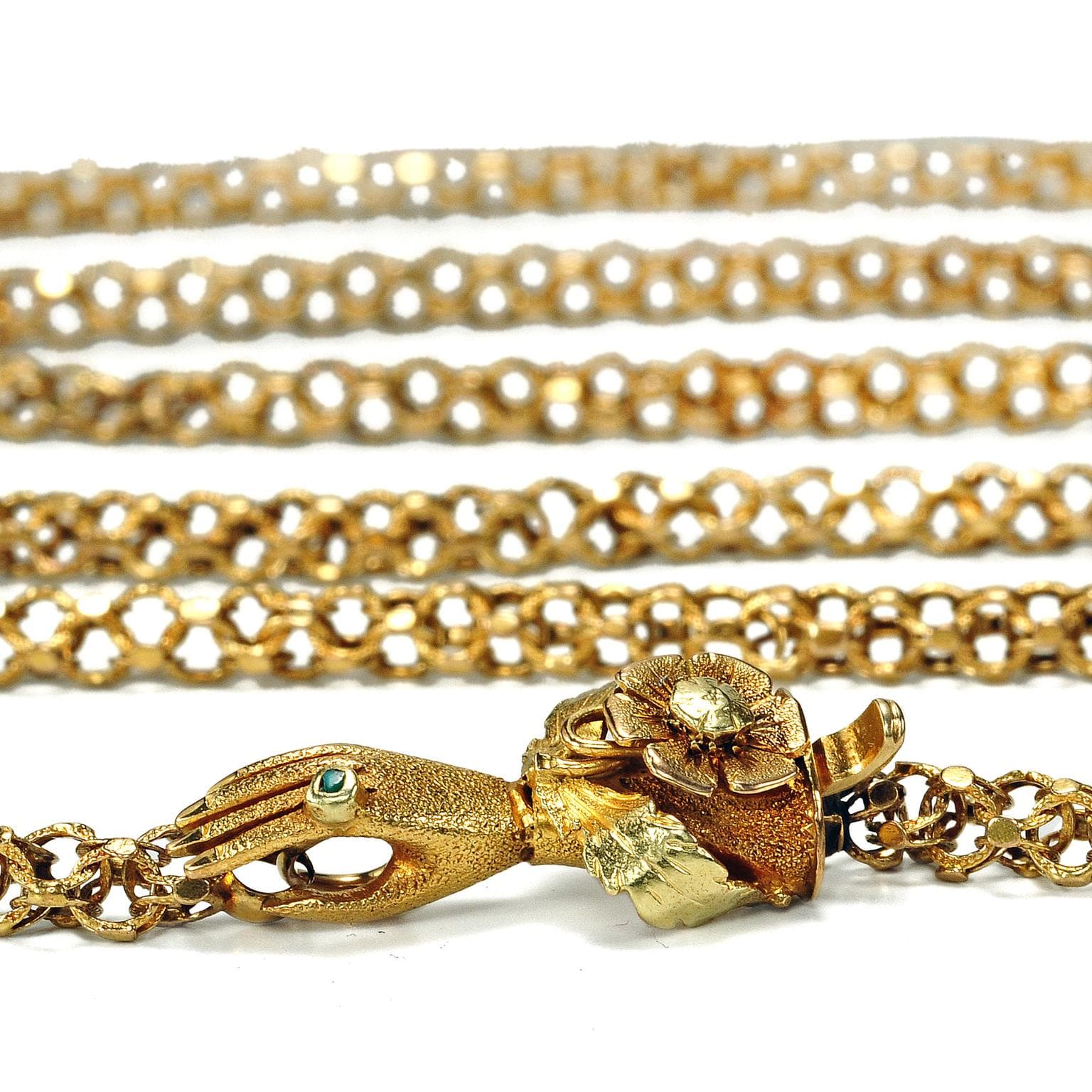
The layered pieces that feel most current will not hide their engineering. They will use sculptural clasps, adjustable lengths and visible metalwork to turn function into design, which is especially important when weight has become part of the conversation. Fine gemstone strands will matter because they bring color and texture into a stack without relying on a larger volume of gold, and they let one piece carry more narrative than a plain chain ever could.
The market clues from 2025 point in the same direction. JCK’s trend coverage showed maximalism returning as layering became more common, with long necklaces, multistrand chain layering and bangle stacks helping define the market. Retailers on the 2025 show floor were already stocking up on gold and looking for designers with a strong point of view, while buyers such as Allie DeSeelhorst and Amy Coles of Copper Canary in Meridian, Idaho, were drawn to color and stacking-friendly designs.
The next version of that story is more deliberate and more flexible:
- Necklaces will lean into mixed heights and textures, with one stronger chain anchoring finer strands or gemstone lengths.
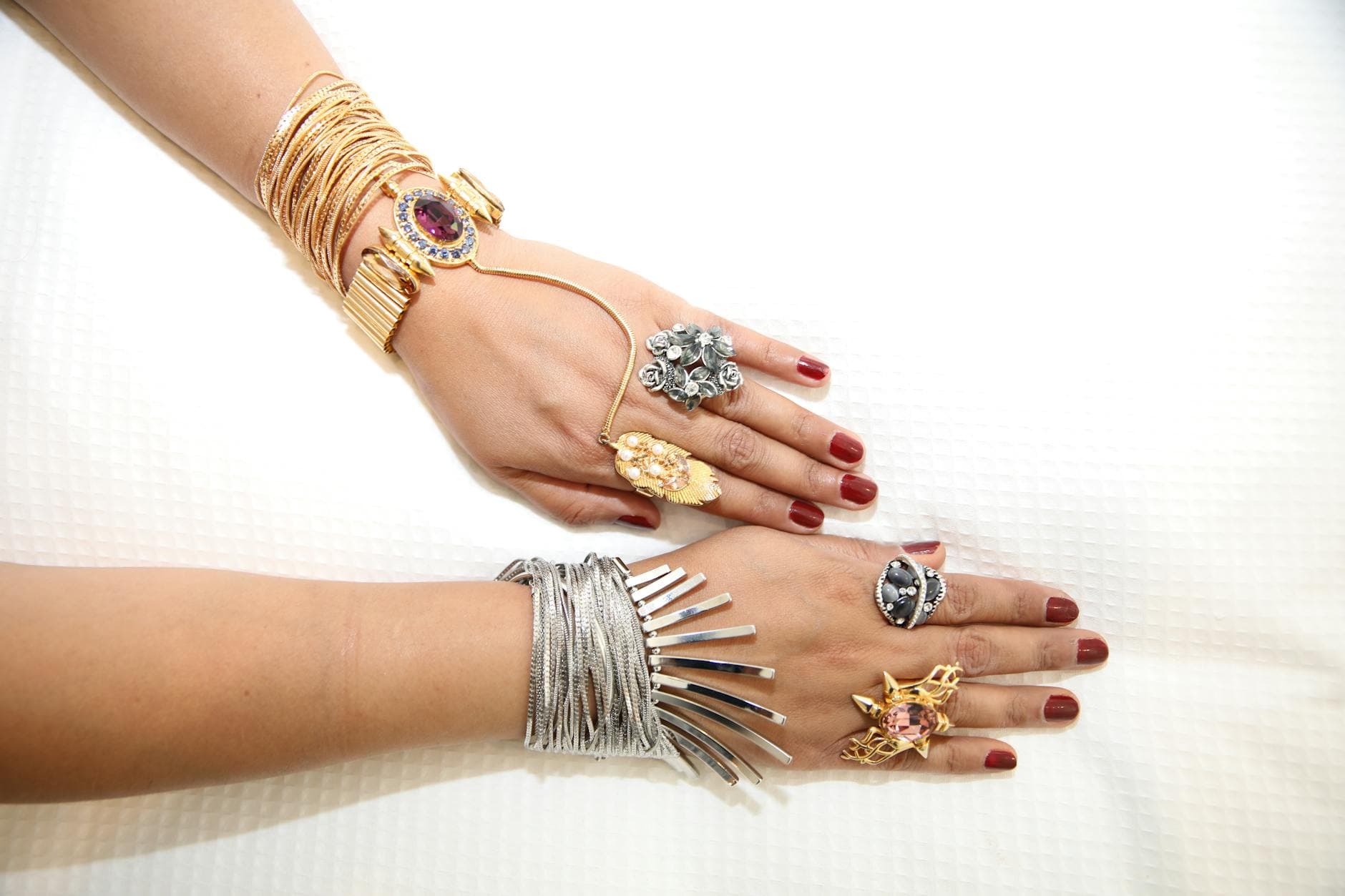
- Bracelets will continue to stack, but the most compelling versions will mix widths, finishes and stone color so the wrist looks composed rather than crowded.
- Mixed-metal looks will become a practical luxury choice, not a compromise, because they stretch styling options without requiring every piece to match.
- Sculptural clasps and bold connectors will become visible design signatures, especially in strands that need a strong visual endpoint.
The market is rewarding pieces that can evolve
A key reason layering is taking on more importance is that jewelry buying itself has become more strategic. JCK cited a McKinsey and The Business of Fashion forecast that the jewelry market could grow 4% to 6% over the next two years, driven by a younger and more diverse client base, even as the sector continues to navigate uncertainty around lab-grown diamonds and post-pandemic engagement demand. That combination favors jewelry that can be interpreted in multiple ways and worn across occasions, rather than pieces locked into one fixed identity.
Layered jewelry answers that need elegantly. A strand with a sculptural clasp can stand alone one day and join a necklace composition the next. A bracelet stack can start with one substantial bangle and build over time. A color-forward piece can soften the severity of high gold prices while still delivering the visual density that makes a look feel complete.
JCK 2026 suggests the future of layering will be less about excess and more about intelligence. The pieces that matter most will be the ones that look richer because they are adaptable, and the market will reward jewelry that turns pressure into presence.
This article was produced by Prism’s automated news system from verified source data, official records, and press releases, then run through automated quality and moderation checks before publishing. The system is built and supervised by the people who set the standards it runs under. Read our full AI policy.
Did this article answer your question?