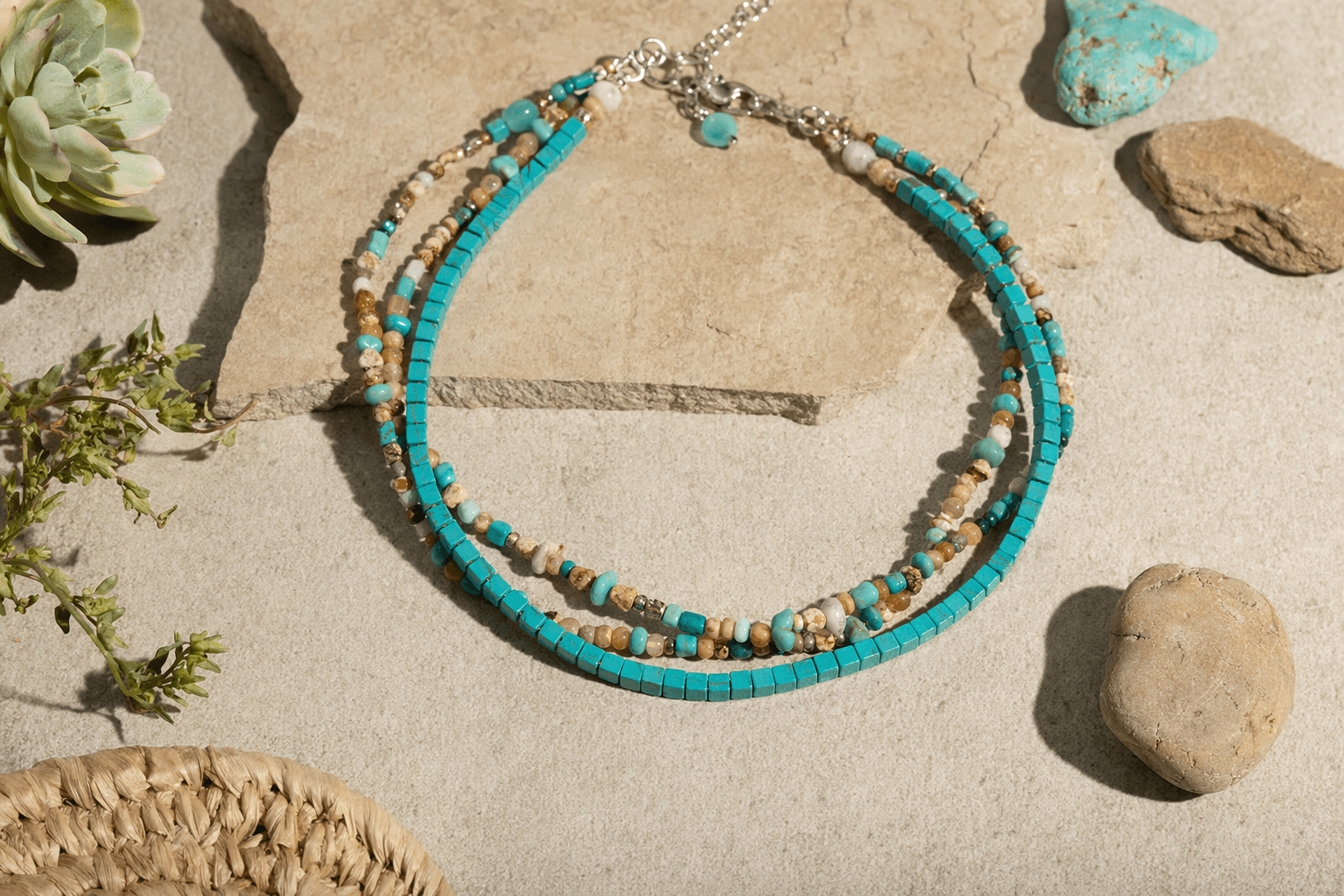
Jewelry layering gets a luxe update with three-piece styling rule
Three necklaces, varied in length and finish, make the cleanest luxury stack: one focal piece, mixed metals and the right spacing.

The three-piece formula
Three necklaces are doing what a tangle of jewelry often cannot: they make the neckline look edited. The sharpest layered looks now rely on a rule of three, with one short strand, one mid-length layer and one longer piece that gives the whole composition a downward line. MadameNoire’s styling formula adds a final flourish that matters: mixed metals, plus one deliberate focal point, usually a chunky chain or a bold gem, so the stack reads as designed rather than improvised.
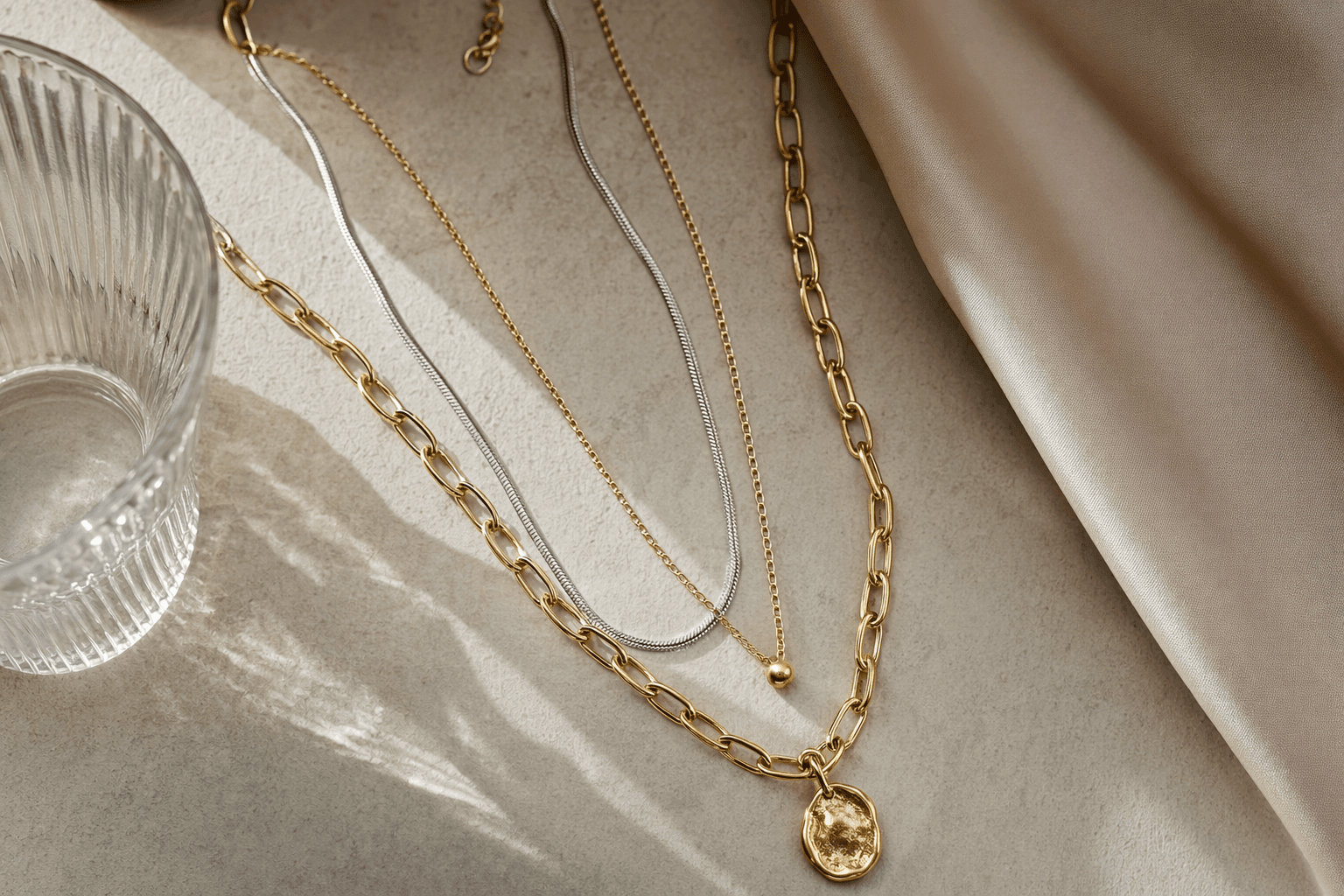
That balance is why the look photographs well and still feels polished in person. Too many chains blur into noise, but three well-chosen pieces create rhythm. The eye gets a clear first read, then a second and third, which is exactly what makes the neckline feel expensive. It is the jewelry equivalent of good tailoring: proportion does the work before ornament ever has a chance to.
Why the market keeps rewarding the layered look
This is not just a styling trick, it sits inside a larger luxury current. McKinsey says the personal luxury goods sector, which includes watches and jewelry, grew at a 5 percent compound annual rate from 2019 to 2023. In the same body of work, the firm described fine jewelry as a large global luxury segment with combined annual sales of more than $330 billion and estimated branded fine jewelry growth of 8 percent to 12 percent a year through 2025.
De Beers’ numbers explain why the category keeps leaning into recognizable design. The company says U.S. consumers account for just over half of diamond jewelry sales, while U.S. diamond jewelry demand was down 2 percent year over year in 2024. Even so, consumer demand for natural diamond jewelry remained stable in the United States and broadly stable globally in the third quarter of 2025, a sign that the category is not softening so much as sorting itself toward pieces with stronger identity.
That is where layering becomes especially relevant. De Beers found that branded diamond jewelry represented two-thirds of U.S. diamond jewelry purchases in 2021, double the 2015 share, and that 76 percent of Gen Z diamond jewelry purchases were branded. The message is clear: younger buyers are not only shopping for sparkle, they are shopping for signal, and a layered necklace stack is one of the easiest ways to wear that signal in public.
What to copy from the most convincing stacks
The best stacks do not fight for attention. They build it. Start with variation in length, because the separation between pieces is what allows each one to register. Then introduce one focal piece with more visual weight, such as a chunkier chain or a gemstone that interrupts the line of metal and gives the stack a center of gravity.
- Choose three necklaces, not four or five, if you want the look to read cleanly on camera and in daylight.
- Make the lengths visibly different so the pieces do not collapse into one another at the collarbone.
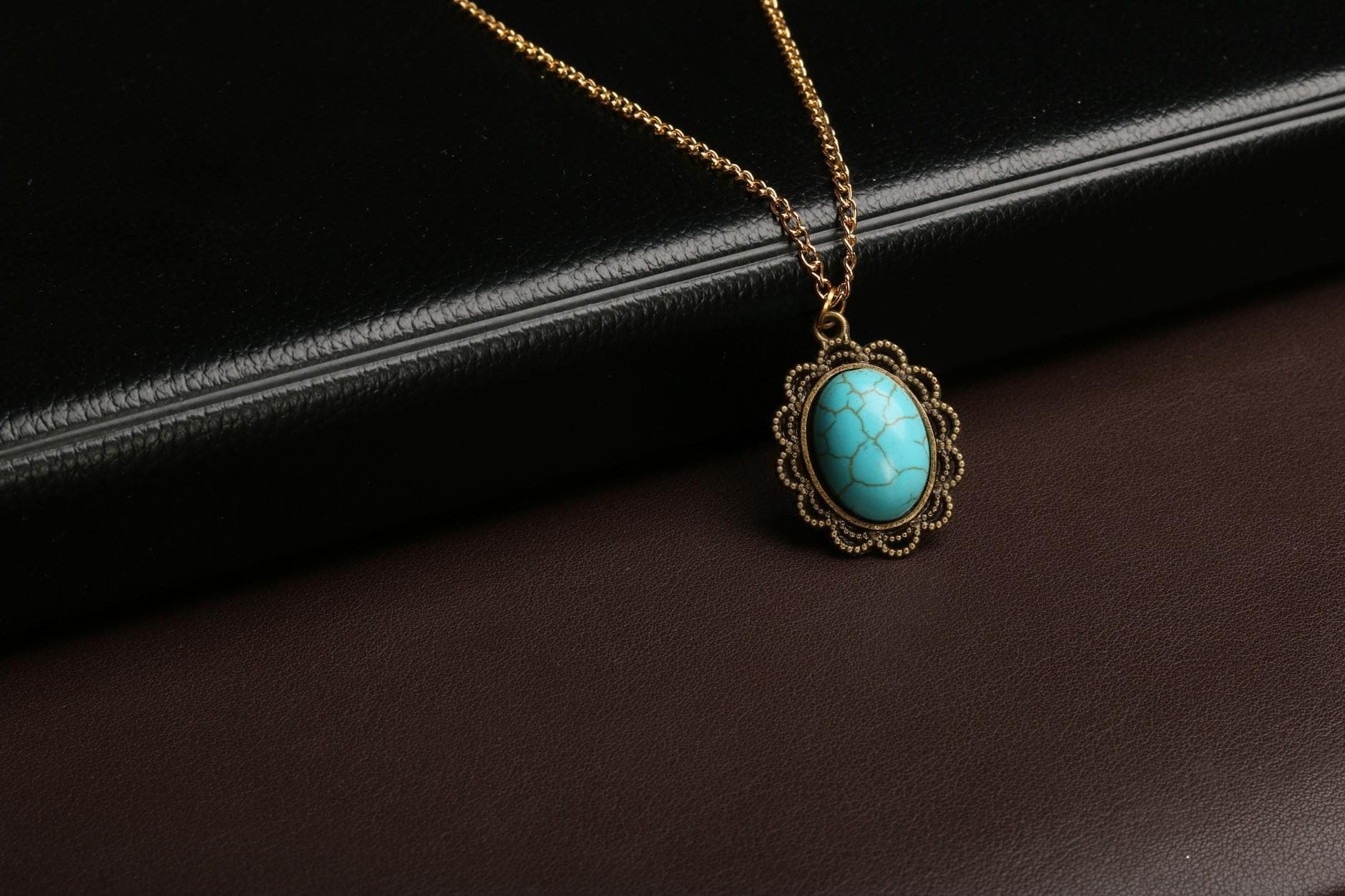
- Let one piece do the talking. A bold gem, a thicker chain or a substantial pendant anchors the rest.
- Mix silver and gold if the proportions are right. Dani Michelle, the CFDA member and stylist, said people should not be afraid to mix the two, adding that “sometimes more is just actually more.”
- Favor designs with dimension and scale. Kate Lagos said her two-tone silver-and-gold pieces were created with layering in mind and were meant to be “perfect for layering,” which is a useful reminder that good stacks depend on construction as much as styling.
The Council of Fashion Designers of America, founded in 1962, counts jewelry and accessory designers among its membership, and that matters because it places layering squarely inside fashion rather than at the edge of it. The strongest stacks behave like part of the silhouette, not an afterthought added once the outfit is already on.
Why mixed metals no longer feel like a mistake
The old rule that silver and gold should never meet has lost its authority. In a strong layered look, mixed metals create depth, especially when one finish is bright and the other is warmer or more matte. That contrast keeps the eye moving and prevents the necklace story from flattening into a single tone.
This is also where quality becomes visible. Well-made chains, clean links and thoughtful spacing prevent the mix from looking random. When a two-tone piece is designed with dimension and scale in mind, as Kate Lagos describes her own work, it bridges the whole stack and makes the clash feel intentional. The result is less about matching and more about composing.
A luxury language with ancient roots
Layering looks modern because it travels so well through contemporary wardrobes, but the instinct is old. The Metropolitan Museum of Art notes that ancient Egyptian jewelry included pre-dynastic shell necklaces, and later broad collar necklaces became among the pieces most frequently worn by royalty and elites. The contemporary neckline stack borrows from that same grammar of display, where jewelry was never merely decorative. It marked rank, taste and access.
That lineage explains why a layered look can still feel so persuasive now. The three-piece formula works because it gives structure to abundance, and structure is what turns sparkle into style. In a market where branded fine jewelry is rising in importance and buyers are choosing pieces that carry identity as well as shine, the most convincing stacks are the ones that look deliberately composed from the first chain to the last.
Know something we missed? Have a correction or additional information?
Submit a Tip