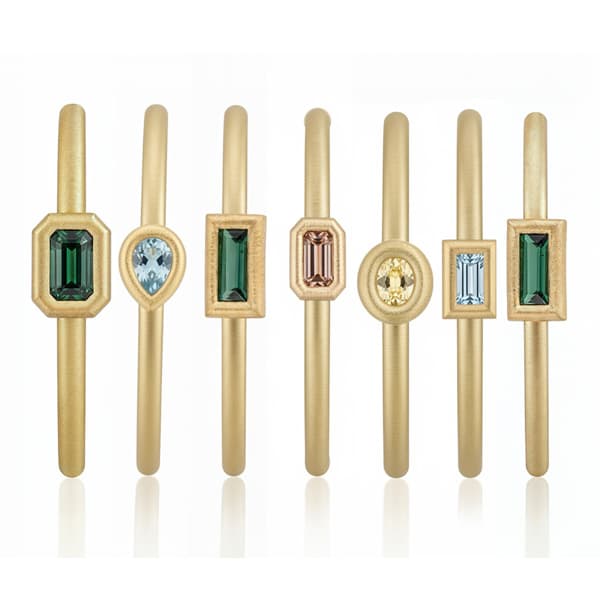
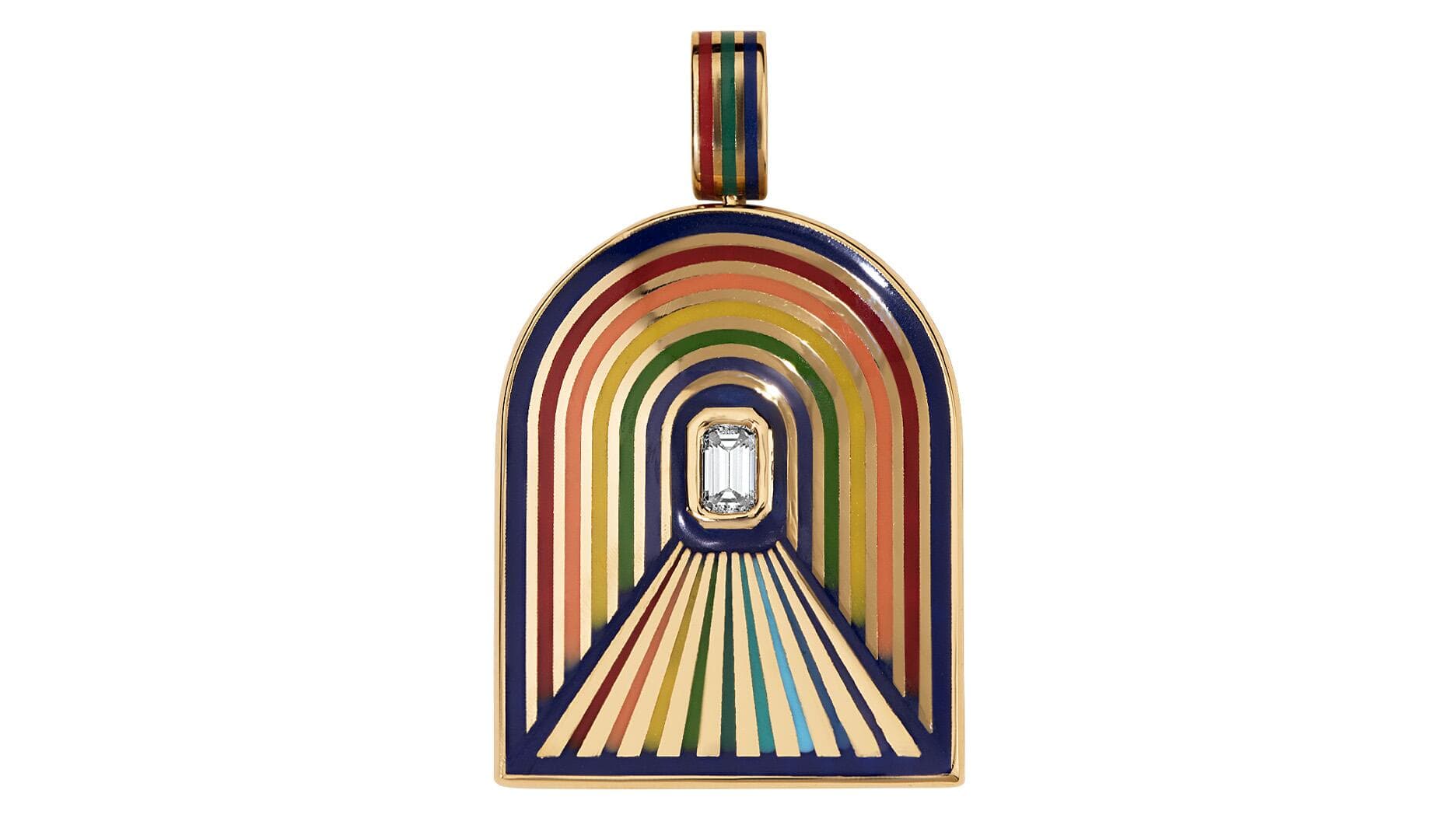
June birthstones, pearl, alexandrite and moonstone for layered looks
June's three birthstones make stacking easy: pearl brings soft sheen, moonstone adds misty glow, and alexandrite supplies a rare color shift.
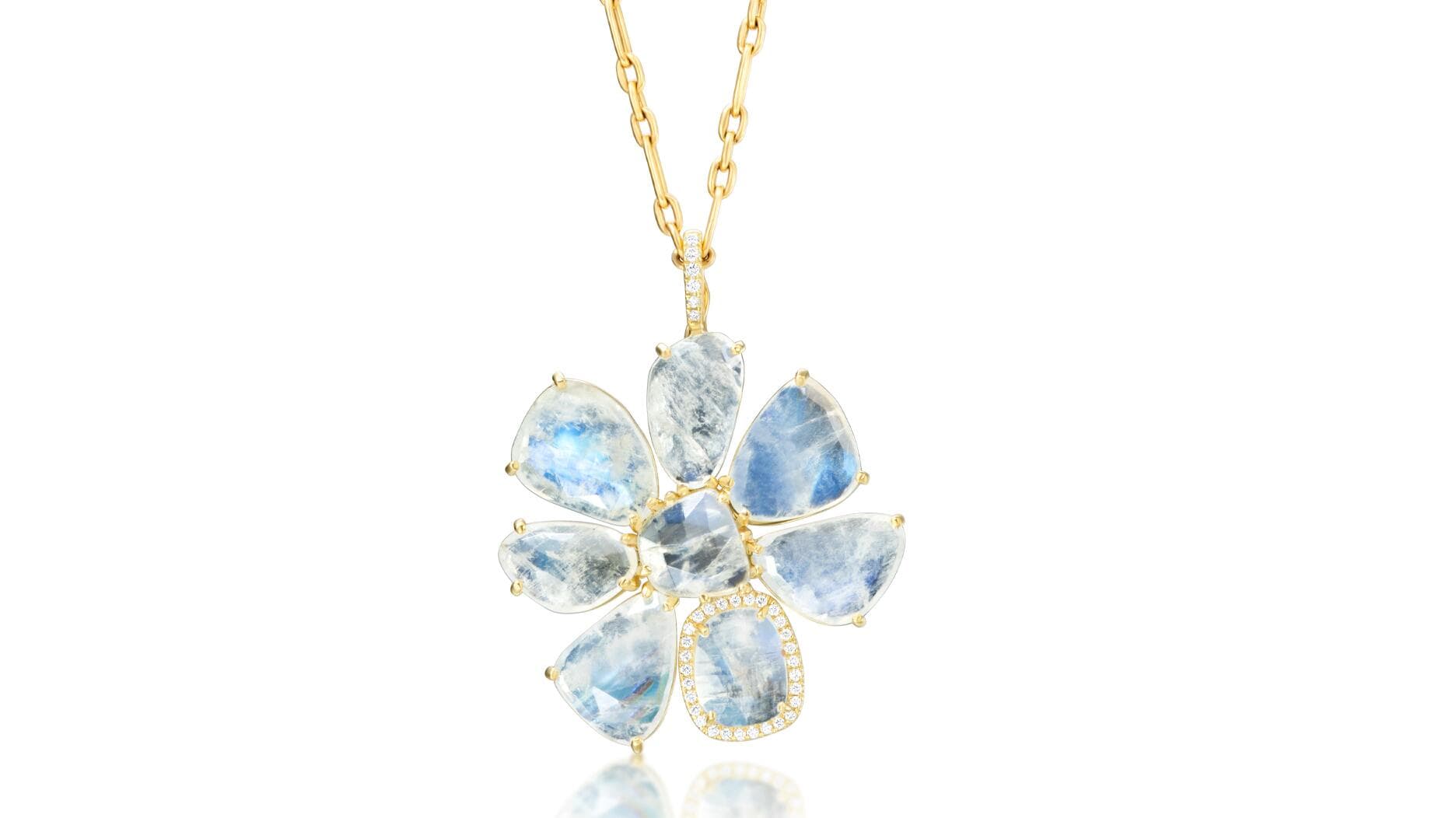
June comes with a built-in styling advantage: pearl, alexandrite and moonstone give the month a palette that can be worn one stone at a time or layered into something richer. The mix is unusually flexible because it spans softness, rarity and light play, which is exactly why it works so well for stacks that feel personal without looking precious in a stiff way.
Why June is a layering month
The Gemological Institute of America identifies June as one of only three months, along with August and December, with three birthstones. That kind of abundance matters for styling, because it gives shoppers a choice not just of gems, but of moods: opalescent, milky or color-changing. The American Gem Society describes the trio as spanning different price points and color options, which makes June unusually friendly to both gift buyers and people building a more considered jewelry wardrobe.
That wide range is also why the category keeps showing up in jewelry coverage. National Jeweler has framed June birthstones as fitting many styles, lifestyles and budgets, while JCK has noted that pearl jewelry is being embraced in broader, more gender-inclusive ways. Put together, the three stones feel less like a strict birth-month rule and more like a foundation for intentional layering.
Pearl: the soft anchor
Pearl is June’s original birthstone and the only organic birthstone, formed by living mollusks. That alone makes it the most tactile of the trio, with a surface that reads as luminous rather than glittery. It is also the gem of the third and thirtieth anniversaries, which gives it a second life beyond birthstone gifting and helps explain why it still feels relevant across generations.
In a layered look, pearl does the work of calm. Its sheen softens sharper pieces, especially if you want a stack that feels tonal rather than busy. A pearl necklace or ring can act as the visual base layer, letting moonstone or alexandrite stand out without overpowering the composition. The renewed appetite for pearl also matters here: once treated as formal or traditional, it now feels much more open-ended, which is exactly what layered styling asks of it.
Alexandrite: the rare flash
Alexandrite is the most dramatic June birthstone, and the most elusive. It is the very rare color-change variety of chrysoberyl, first discovered in Russia’s Ural Mountains in the 1830s and named for Alexander II, heir apparent to the Russian throne. Those first stones were of very fine quality and showed vivid hues and dramatic shifts, a pedigree that still defines the gem’s appeal.
Today, alexandrite is found in Sri Lanka, East Africa and Brazil, but its reputation remains tied to that sense of surprise. In a layered stack, that is its power: one stone can change the mood of the whole piece. A hint of alexandrite beside pearl or moonstone gives the eye a place to land, especially when the light changes and the gem’s color shift comes alive. If pearl is the anchor, alexandrite is the punctuation mark.
Moonstone: the luminous bridge
Moonstone sits between pearl’s glow and alexandrite’s drama. It is often used as a more accessible June birthstone option, and that accessibility is part of its styling strength. Its milky, luminous appearance makes it a natural bridge stone, especially for readers who want the feeling of a June stack without leaning all the way into rarity or high price.
The American Gem Society’s framing is useful here because it captures the trio’s full spectrum: opalescent pearl, milky moonstone and rare, color-changing alexandrite. Moonstone brings the middle note. It can soften a stack, add movement without flash, and keep a layered look from feeling too formal. For June-born shoppers building out a jewelry box over time, it is the kind of stone that lets the collection grow without losing coherence.
How to build a June stack
The most successful June layers usually work because each stone has a clear job. Pearl adds calm and surface sheen. Moonstone adds haze and glow. Alexandrite adds contrast and surprise. When the three are used together, the stack feels intentional rather than crowded.
A few combinations make the idea especially legible:
- Start with pearl as the visual base, then bring in moonstone for a softer transition.
- Use alexandrite as the focal point when you want one stone to carry the story, especially in pieces meant to shift character in different light.
- Keep the palette tight if you want a tonal look, or let alexandrite break the mood if you want a more graphic, modern contrast.
- Mix the stones across rings, pendants and earrings for a layered effect that still feels polished, not overloaded.
The real appeal of June’s trio is that it gives you range without losing identity. Pearl speaks to tradition, moonstone to softness and alexandrite to rarity, but together they create something more contemporary than any one stone alone. That is why June birthstone jewelry works so well now: it offers beauty with a point of view, and it does so in a language of light, texture and change.
This article was produced by Prism’s automated news system from verified source data, official records, and press releases, then run through automated quality and moderation checks before publishing. The system is built and supervised by the people who set the standards it runs under. Read our full AI policy.
Know something we missed? Have a correction or additional information?
Submit a Tip