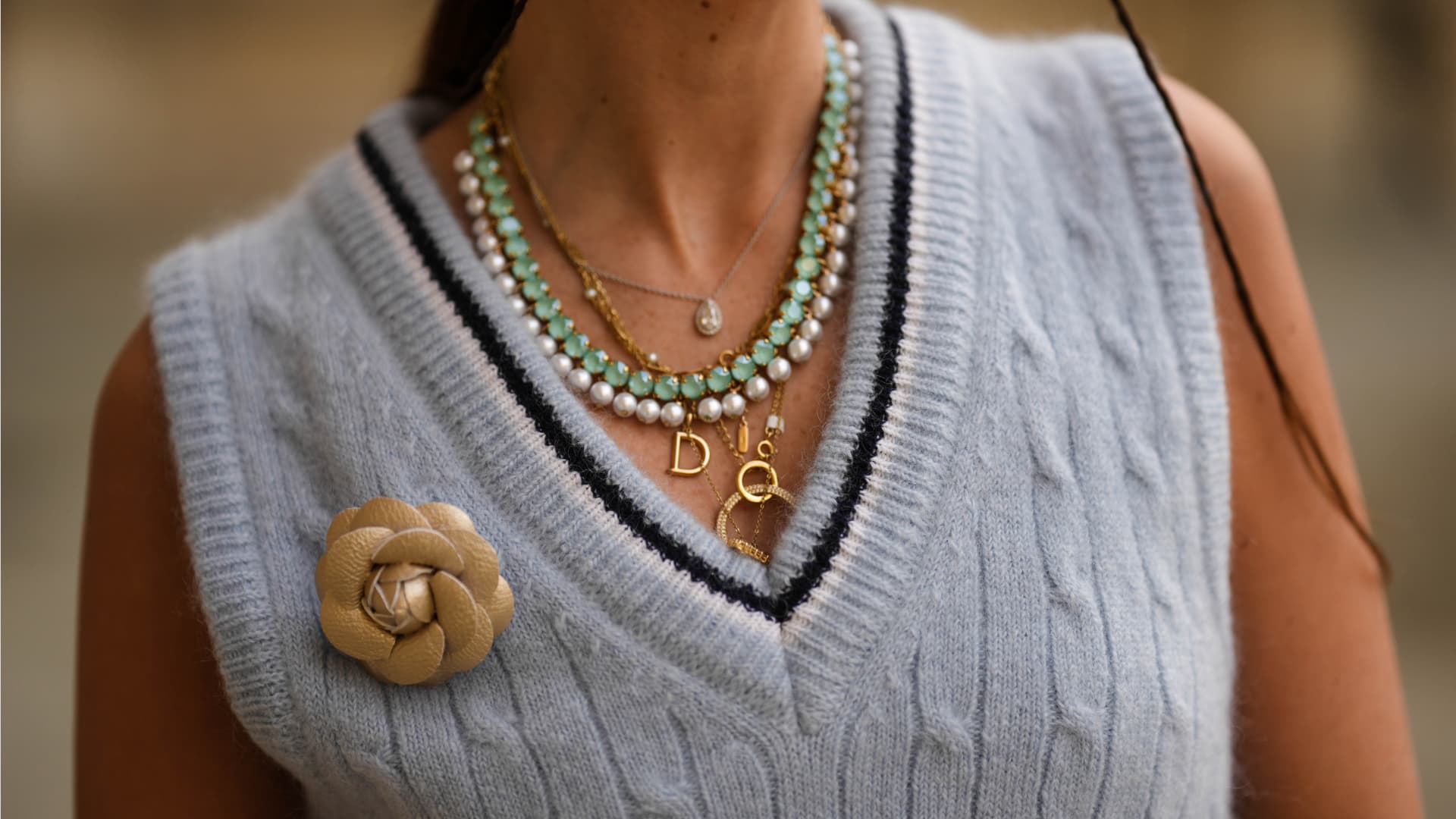
Lionheart's customizable gold chains turn charm layering into heirloom style
Lionheart’s separate gold chains and charms make layering feel collected, personal, and built to last. The look taps a yellow-gold revival and a deeper appetite for heirloom-style jewelry.
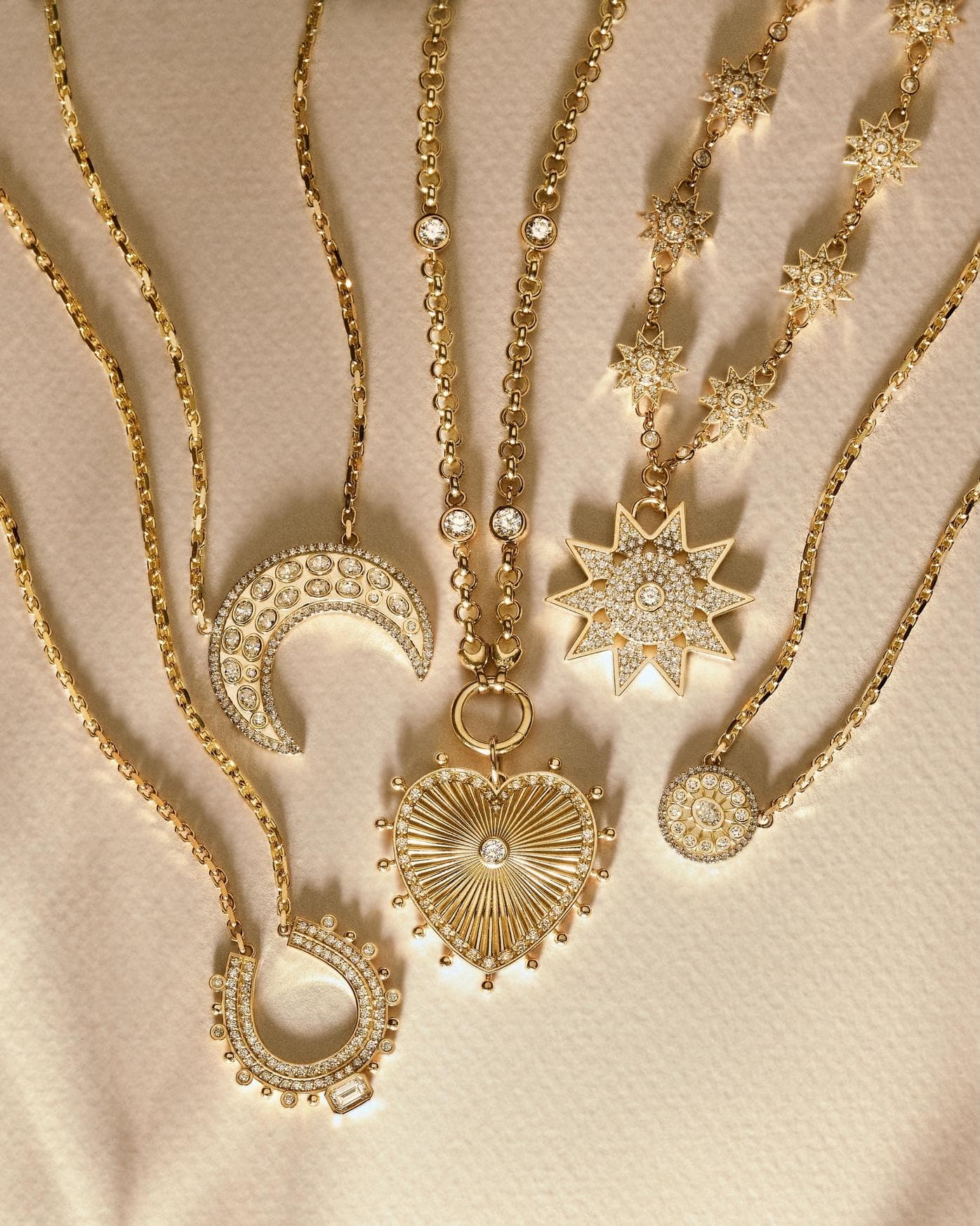
Charm layering is back, but the appeal has shifted
The strongest jewelry story now is not a single statement piece. It is the slow, deliberate build of gold chains, charms, and medallions that feel personal from the first wear and even better with time. That is the promise behind Lionheart’s customizable approach: buy the chains separately, then add one or more charms or medallions so the necklace grows into something more collectible than costume-like.
That change matters because it reframes layering as an act of authorship. Instead of choosing a finished necklace and stopping there, the wearer assembles a look over time, one link and one pendant at a time. The result feels closer to an heirloom case than a trend rack, which is exactly why it resonates in the current jewelry mood.
Why the modular model feels fresh
Lionheart’s strength is its structure. The brand is designed around highly customizable gold chains and charm necklaces that are meant to be bought separately and then paired, which makes the final piece naturally stackable and personal. That modularity is what separates this moment from the old statement-necklace formula, where one oversized piece did all the work and the styling ended there.
Now, the visual pleasure comes from accumulation. A chain can anchor the neckline, a charm can add sentiment, and a medallion can shift the piece from decorative to talismanic. Because the look is built rather than purchased all at once, it invites repetition, variation, and memory, three qualities that make jewelry feel more meaningful in daily life.
Lionheart’s language is emotional, not merely decorative
Forbes framed New York-based LIONHEART as a brand rooted in legends of love and the emotional power of jewelry, using refined design, precious materials, and pure artisanship to create collectible pieces that feel timeless and ageless. That positioning is important because it places the line in the realm of fine jewelry with a point of view, not just pretty accessories.
The brand’s appeal is tied to the sense that each chain or charm can stand alone, yet becomes richer when joined to another. That is the quiet luxury of the idea: the wearer is not buying excess, but building a personal archive. In an era when luxury often chases novelty, Lionheart leans into continuity, and that gives the pieces their heirloom charge.
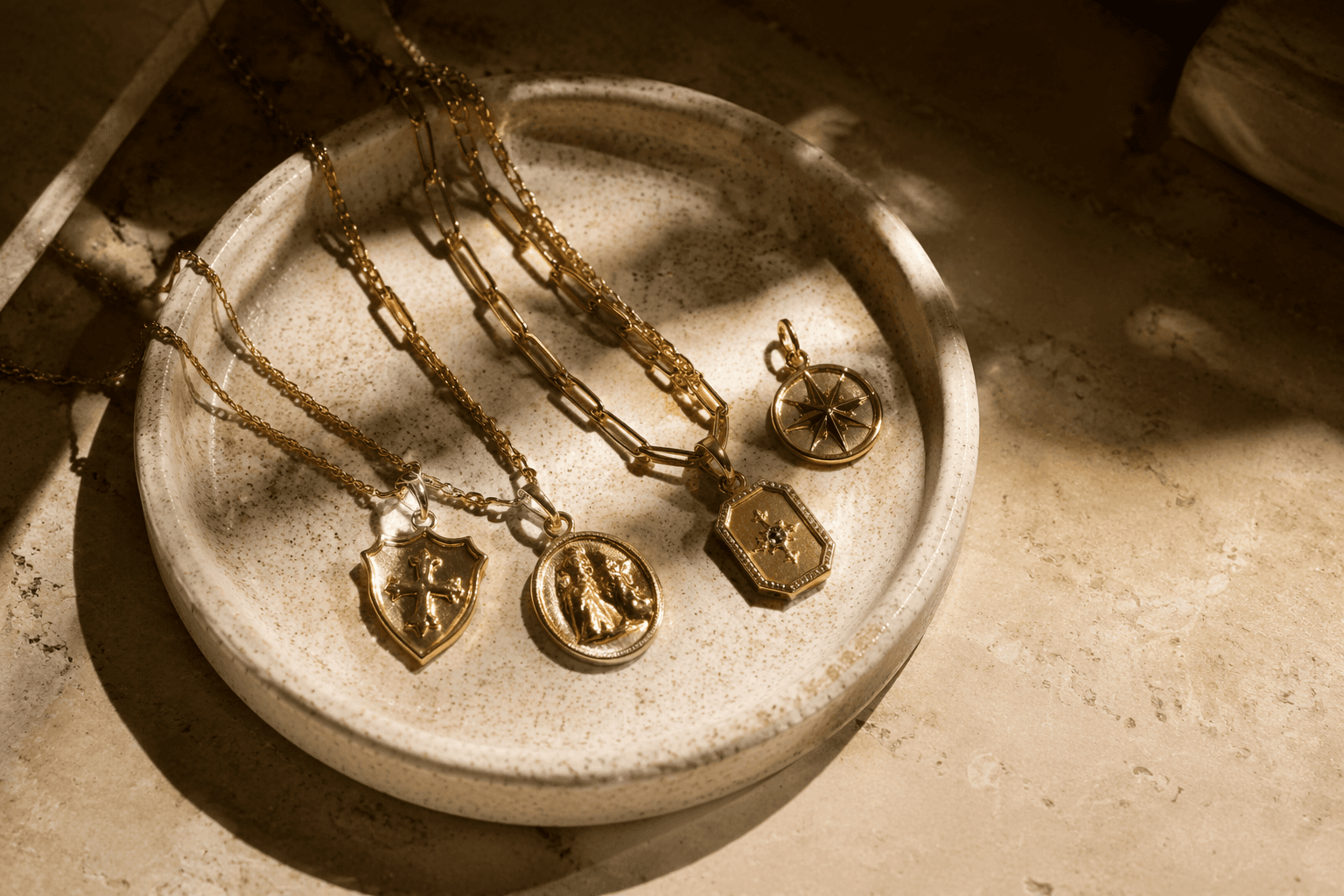
The market has been moving this way for some time
The wider jewelry market has been preparing readers for this shift. WWD reported in 2024 that custom charm jewelry was growing in popularity as a statement-necklace category, which shows how quickly the charm silhouette moved from niche to mainstream. At the same time, runway coverage pointed to layering as a key styling direction, with yellow-gold chains especially emphasized as the easiest route into the trend.
That yellow-gold revival matters because it softens the visual language of layering. Gold reads warmer and more heirloom-like than a colder, harder finish, and it gives multiple chains a unified glow even when the pieces are mixed in length or weight. The effect is not cluttered when it is done well; it is luminous, especially when charms are kept deliberate rather than overpacked.
The younger customer base is also shaping the category. WWD’s later coverage noted that younger shoppers were increasingly drawn to heritage styles such as tennis pieces, signet rings, diamond studs, and pearls. Those are all categories defined by longevity and recognizability, which helps explain why charm-and-chain jewelry now feels less like a fleeting mood and more like a permanent part of the wardrobe.
Why legacy houses are a useful comparison
Lionheart’s model also makes sense in the context of heritage luxury. The Business of Fashion has covered Van Cleef & Arpels’ Alhambra as an iconic charm collection that remains central to the house’s business, with the brand continuing to add new models to the line. That is a useful reminder that charm jewelry is not a passing accessory idea. In luxury, the charm format has long been a serious business tool when it is tied to recognizable design language and emotional value.
Lionheart is operating in that same logic, even if its aesthetic is newer. The brand’s collectible feel comes from the same instinct that has kept iconic charm collections relevant for decades: a good charm line becomes a wearable story, not a one-off purchase. When the jewelry carries memory, repeat wear follows naturally.
How to build the look with intention
The most successful layered necklace looks in this moment are not random. They start with a chain that has enough presence to anchor the neckline, then add a charm or medallion that changes the emotional tone of the piece. Because Lionheart’s chains are bought separately, the wearer can decide whether the look should feel sparse and refined or denser and more ornate.
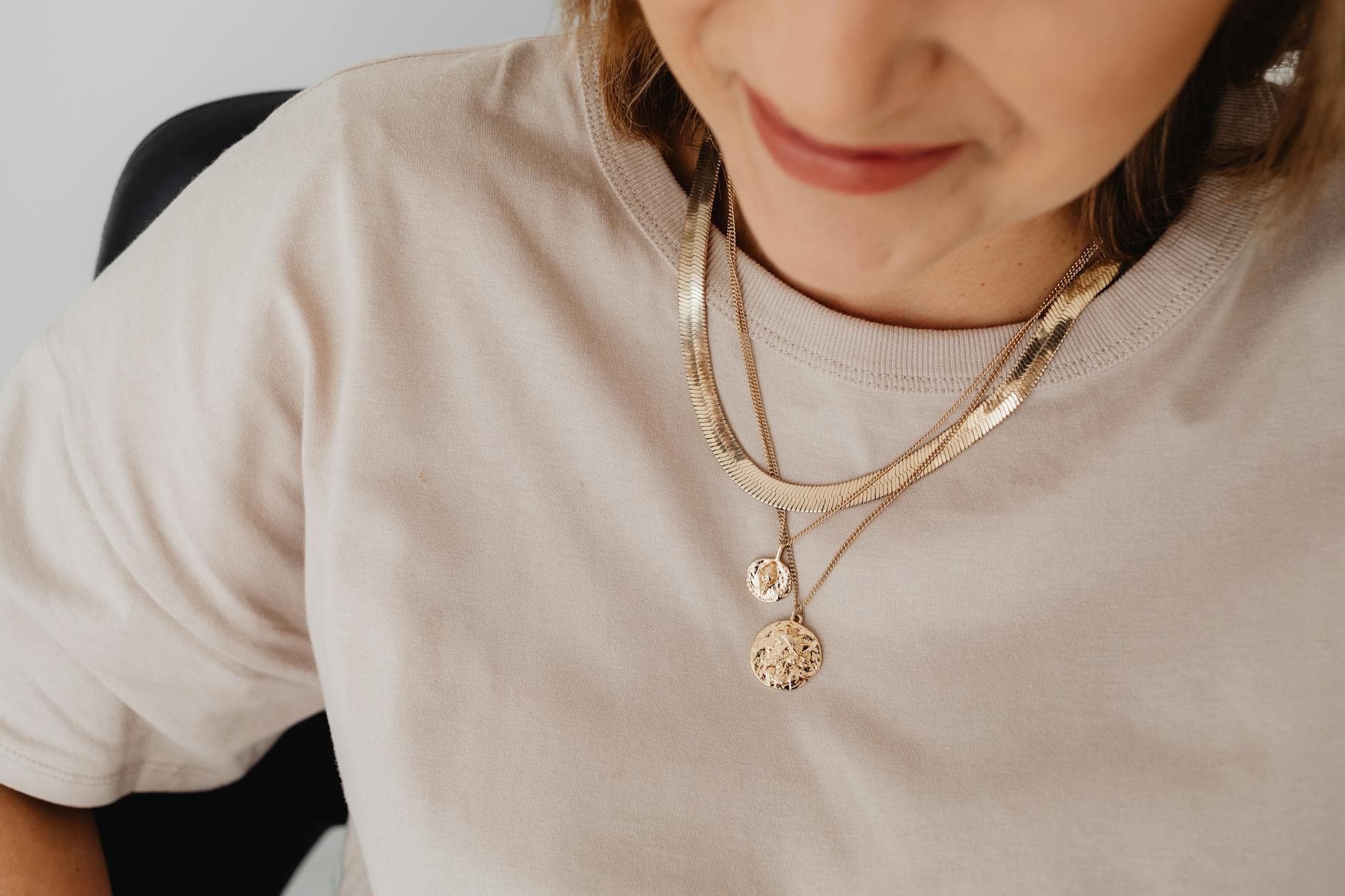
A useful approach is to treat the first chain as the base and the charm as the focal point. One medallion can read clean and architectural; several charms can feel more intimate and lived-in. Yellow-gold chains are especially aligned with the current direction, since they echo the runway-driven preference for warm layering and give even a small assortment of pieces a cohesive finish.
- Choose a chain that can anchor later additions without disappearing.
- Let one charm lead the composition, then add more only if the silhouette still feels balanced.
- Keep the palette coherent, especially if you want the final result to read heirloom rather than cluttered.
- Think in terms of collection, not completion.
What this says about jewelry now
The strongest jewelry brands are no longer selling precious commodities alone. They are selling creative structure, emotional value, and the freedom to make a piece feel personal from the start. WWD’s 2025 and 2026 coverage pointed to that shift clearly: buyers keep returning to custom, handmade fine jewelry, and the brands that win are the ones that bring creativity to the table, not just metal and stone.
That is why Lionheart lands so well. Its charm necklaces and handmade gold chains capture the current appetite for self-expression without losing the polish of fine jewelry. The look is social-media friendly because it is visual and layered, but it also has staying power because each piece can be worn, reworked, and inherited. In a market crowded with one-and-done statements, that sense of ongoing authorship is the real luxury.
Know something we missed? Have a correction or additional information?
Submit a Tip