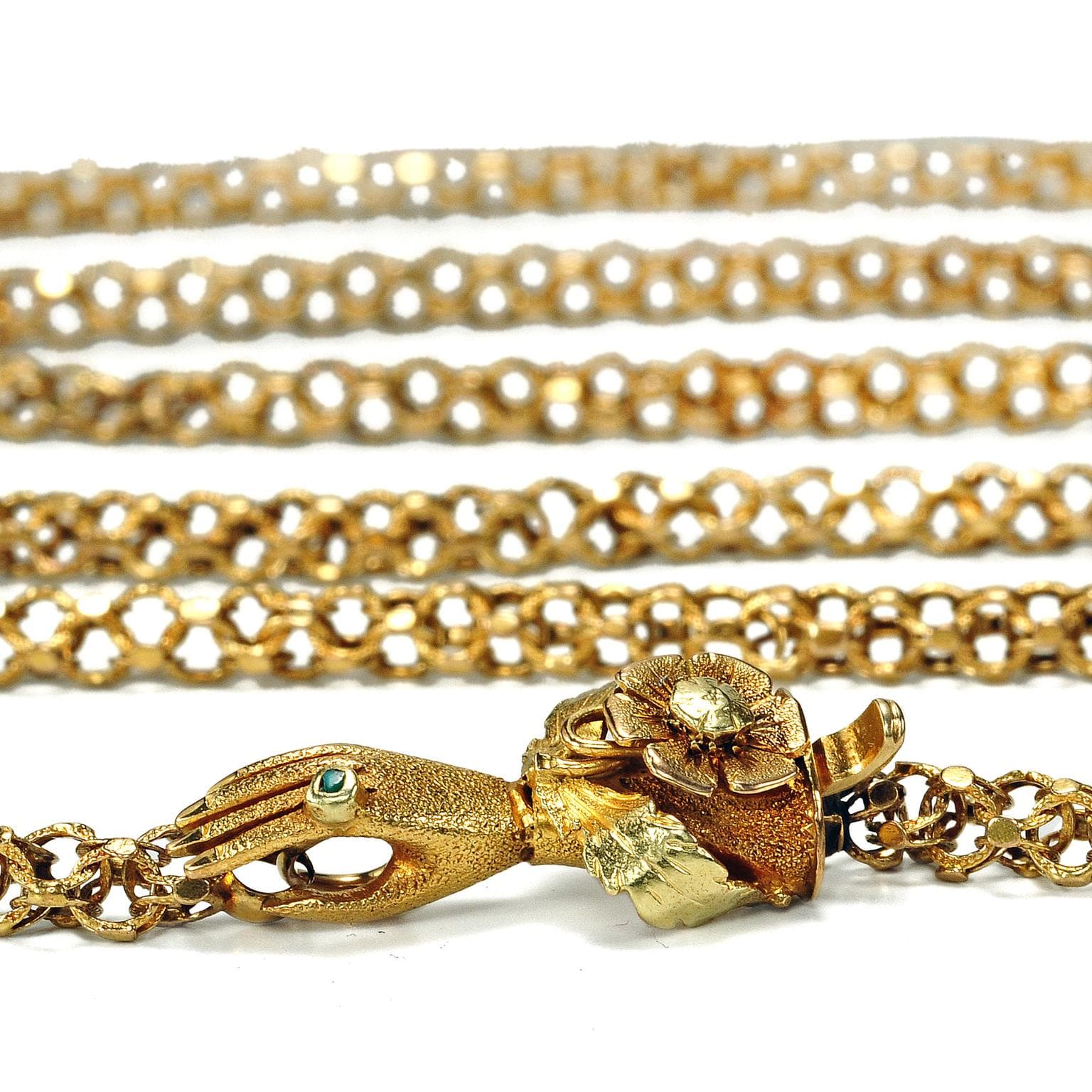
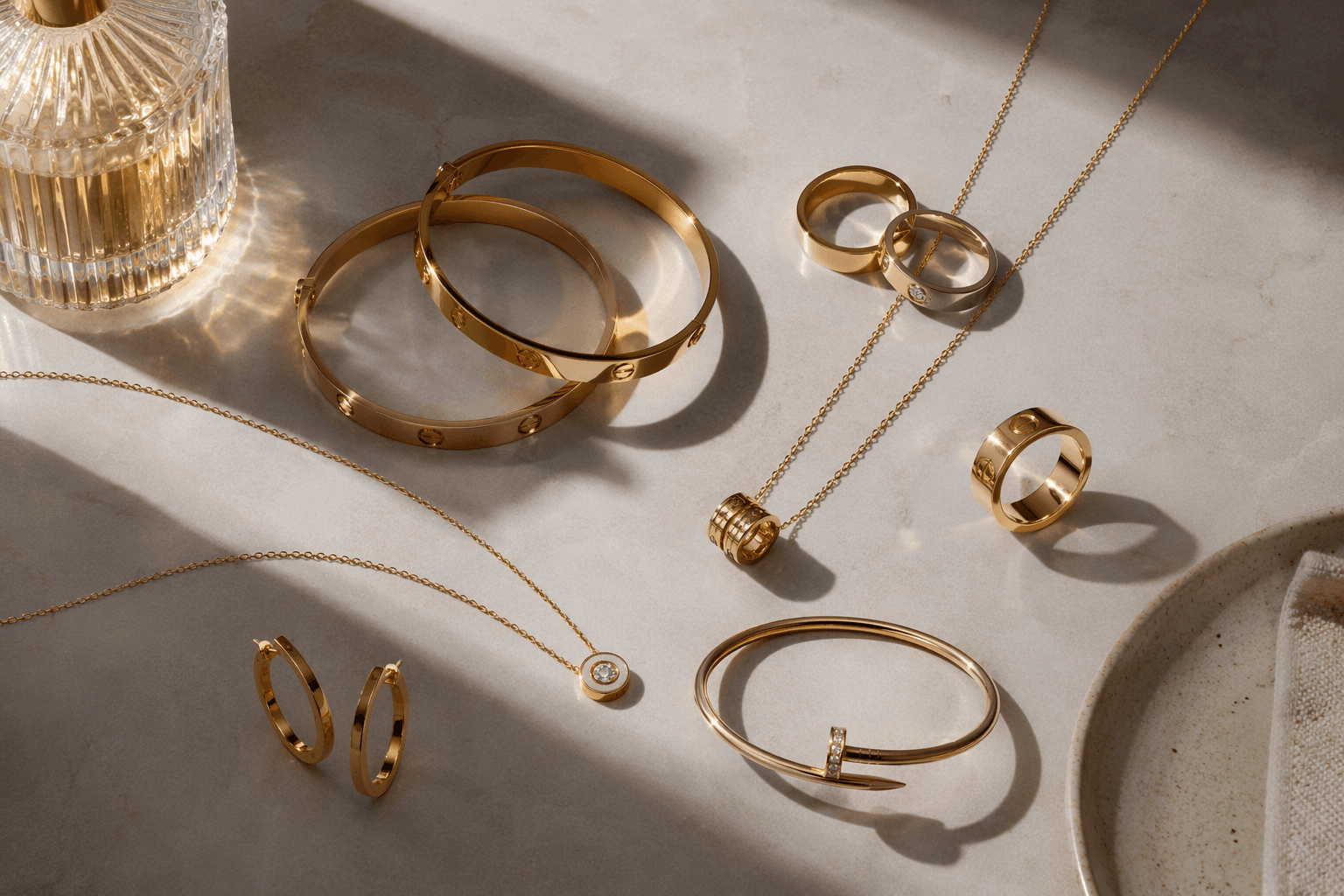
London Vintage Jewellery Shops Inspire Layered Bracelet, Ring, and Hoop Stacks
Vintage London shopping becomes a stack-building map here, from patina-rich bangles to old-cut rings and hoops that make every layer look collected.

The stack logic starts with age, shape, and contrast
The smartest London jewellery hunt is not about buying one perfect piece. It is about finding the wrist, hand, and ear accents that can live together, and vintage does that job best because it brings patina, texture, and the kind of one-off detail modern rows of polished stock often miss. A recent style feature on the city’s vintage jewellery boutiques framed the hunt around bangles, gemstone rings, and oversized hoops, and even nodded to archival trophies like a Dior Maasai bracelet.
That is the appeal of vintage layering in one sentence: a faint scuff on a bangle, the muted glow of aged gold, a hand-cut stone with a little depth to it, and a hoop that looks found rather than manufactured for a display case. Buying this way also gives the stack a provenance story, because older jewellery can come with an era, a maker, or at least enough history to feel lived in instead of generic.
Portobello Road and Notting Hill, where the wrist stack begins
Lovers Lane on Portobello Road is the kind of stop that makes sense early in the day, when you still want room to compare pieces. The shop specialises in rare, unique, one-of-a-kind designer clothing, handbags, jewellery, and accessories, which is exactly the profile you want when you are building contrast into a stack rather than buying matching twins. Portobello Road itself is also useful because the surrounding market draws record crowds, including designers and celebrities, and the area is known for one-off vintage finds and high-quality jewellery.
If you are shopping for bracelets, this is where slim bangles with a little wear start to matter. A narrow vintage bangle gives structure beside a chunkier modern chain bracelet, while a slightly softened edge keeps the whole wrist from looking too new or too uniform. The point is not perfection, but energy, and Portobello is built for that kind of hunting.
Mayfair and Gray’s Antique Market, where rings and hoops do the heavy lifting
Charlotte Sayers Antique Jewellery, at Gray’s Antique Market on Davies Street, is built for collectors who want the details spelled out. The shop describes itself as a carefully curated collection of antique, period, and vintage jewellery, with special focus on Stuart, Georgian, Victorian, Edwardian, and Art Deco pieces, and its current selection includes an Art Deco diamond bracelet at £5,900, a Victorian ruby gypsy ring at £1,650, and diamond hoop earrings at £1,650.
That mix is ideal for ring stacking because the pieces carry different visual weights. A Victorian ruby ring brings colour and a slightly romantic profile, an old cut diamond cluster ring adds sparkle with softer geometry, and a Victorian three row ring at £5,850 can act like the anchor piece that keeps the rest of the hand from drifting into clutter. Even the smaller listings, like a lapis signet style ring or an emerald and diamond ring, show how vintage makes colour feel architectural rather than trendy.
Hoops work the same way. A diamond hoop earring is not just an earring here, it is the frame that keeps a layered ear stack from looking overbuilt, especially when the rest of the jewellery leans heavily into texture and colour. Vintage hoops have the added advantage of proportion, often feeling slightly more substantial or more delicately made than their contemporary counterparts, which is why they can sit beside newer pieces without disappearing.
The Jewellery Quarter, where practical buying meets archival value
The Vintage Jeweller, in London’s famous Jewellery Quarter, is the most useful stop if you want a stack that feels wearable rather than merely collectible. The shop operates by appointment only and offers free worldwide delivery, a 30 days no questions asked refund policy, and free jewellery sizing on selected pieces, which are the kind of practical services that matter when you are buying vintage rings or bracelets you actually plan to wear.
Its categories read like a layering checklist: dainty line bracelets, unique chains, sought-after creations from Van Cleef and Tiffany, old cut ring stackers, designer bangles from Cartier to Kutchinsky, and antique earrings that range from solitaire studs to dramatic drop styles. If you want one stop for bracelet ladders and chain-heavy wrists, this is the sort of inventory that lets you build in stages instead of forcing every piece to do the same job.
How to build a London vintage stack that actually works
Start with one slim piece that can disappear when needed, usually a narrow bangle or line bracelet. Then add one textured middle layer, such as a chunky chain, a gem-set ring, or a slightly more ornate bracelet, and finish with one visual punctuation mark, like an oversized hoop or an old-cut diamond ring that catches the light. Vintage makes this formula feel richer because the surfaces are already varied, so the stack reads as collected rather than assembled in a single transaction.
There is also a clear ethical case for choosing this route. Buying antique and vintage jewellery reduces demand for newly mined metals and gemstones, keeps gold, silver, and gems in circulation, and usually sidesteps the supply chain concerns that come with modern mining. Reputable dealers should be able to tell you the era of a piece and, where possible, its provenance, so the best London buys are the ones that offer both beauty and a paper trail.
That is why London’s vintage jewellery shops matter to layering culture now. They make stacks look edited, not algorithmic, and they turn bracelets, rings, and hoops into something better than trend dressing: a wearable record of taste, time, and the pleasure of finding pieces that already know how to age well.
This article was produced by Prism’s automated news system from verified source data, official records, and press releases, then run through automated quality and moderation checks before publishing. The system is built and supervised by the people who set the standards it runs under. Read our full AI policy.
Did this article answer your question?