Met Gala jewelry turns body-conscious, layered diamonds, gems, gold into art
Body-conscious jewelry stole the Met Gala, from a 550-carat tanzanite necklace to Bulgari layers that traced the body like sculpture.
Body-conscious jewelry is the new layering language
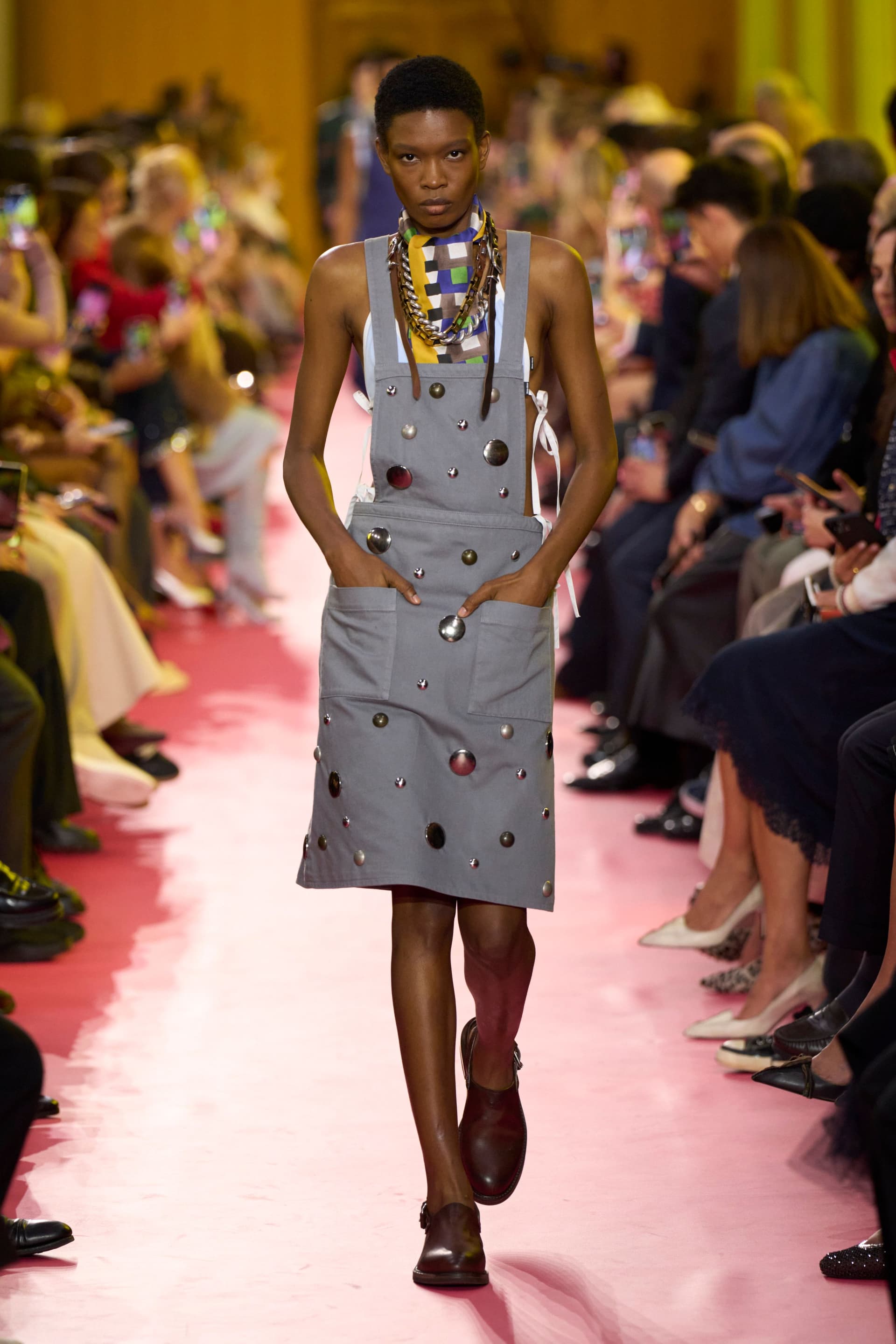
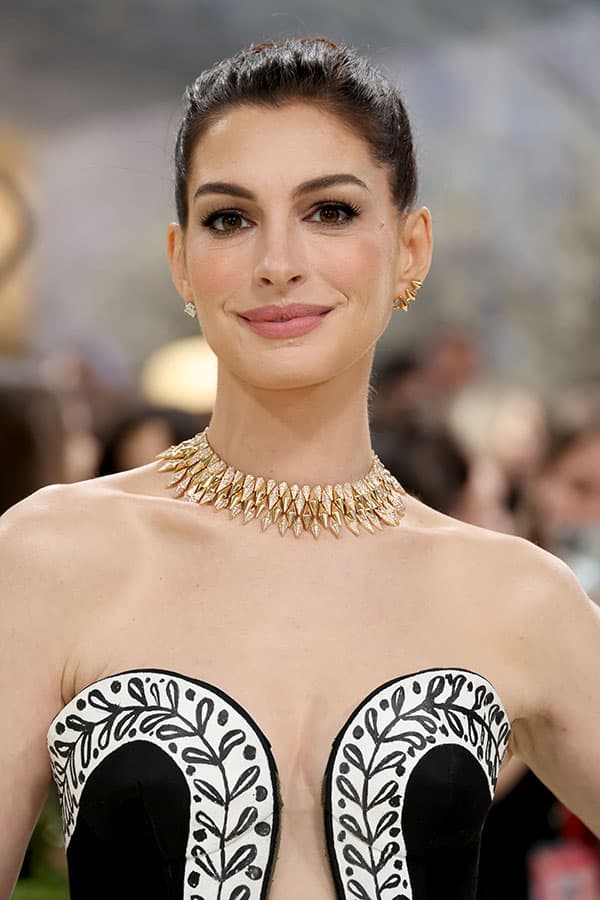
At the Met Gala in New York, jewelry stopped acting like an afterthought and started behaving like structure. Diamonds, colored gemstones and gold were not simply piled on for shine; they were arranged to follow the body, turning necklaces, rings and cuffs into sculptural compositions with real visual weight.
That shift mattered because the 2026 Met Gala was already built around the dressed body. The Costume Institute’s spring exhibition, *Costume Art*, opened May 10 in The Met’s new nearly 12,000-square-foot galleries adjacent to the Great Hall, and it explores how clothing and art frame the human form. In that setting, body-conscious jewelry felt less like a trend and more like the natural extension of the museum’s argument.
Why this Met Gala looked different
The evening raised a record $42 million for the museum, which gave the carpet a scale to match the jewelry. The Costume Institute collection, with more than 33,000 objects spanning seven centuries, is built on the idea that adornment is never only decorative. On this night, that curatorial logic showed up in real time: jewelry became part of the silhouette, not just the finishing touch.
Karen Dybis of JCK framed the carpet as a moment when the body itself became a canvas for expression and storytelling. That is the essential change in layering for 2026. The old formula of stacking more pieces is giving way to something more considered, where placement, contour and texture matter as much as carat weight.
Sudha Reddy made scale part of the message
Sudha Reddy’s custom Manish Malhotra look was one of the most extreme examples of the trend. She wore a 550-carat tanzanite necklace valued at $15 million, a figure so outsized that it immediately changes the conversation from accessory to centerpiece. The piece was built to command space, not simply sparkle in it.
The workmanship behind the look was equally theatrical. It took more than 3,459 hours and 90 artisans to create the ensemble, a reminder that high jewelry at this level is as much about labor as luxury. For readers watching the layering conversation, the lesson is clear: when a necklace is this monumental, it does not sit on the body, it architects the upper torso.
Emily Blunt showed how pearls can read modern
Emily Blunt offered a very different expression of the same idea. Her half-million-dollar pearl necklace from Mikimoto proved that body-conscious layering does not need to rely on maximal color or heavy color contrast to make an impact. Pearls can be soft, but in the right scale they become graphic, clean and deeply visible against fabric and skin.
That matters because pearl jewelry is often treated as conservative, even restrained. Here, the value was not in nostalgia but in proportion. A pearl necklace at that price point becomes a statement of construction and presence, the kind of piece that can hold its own beside a dramatic gown without disappearing into it.
Lisa turned jewelry into a response to the body itself
Lisa pushed the idea further by using Bulgari high jewelry to complement her 3D-printed arms. Her look included a sapphire necklace, a Serpenti necklace, a bracelet, a ring and a watch, all worn as a deliberate system rather than isolated luxuries. It was one of the clearest demonstrations of how layering has moved beyond necks and wrists into a full-body composition.
There is also cultural weight in Lisa’s appearance. She was the first K-pop artist to serve on the Met Gala host committee, which underscores how global pop power and high jewelry increasingly share the same visual stage. The important detail for jewelry lovers is not just the presence of multiple pieces, but the way they were chosen to converse with an engineered, futuristic sleeve and the broader shape of the body.
What body-conscious layering means for jewelry now
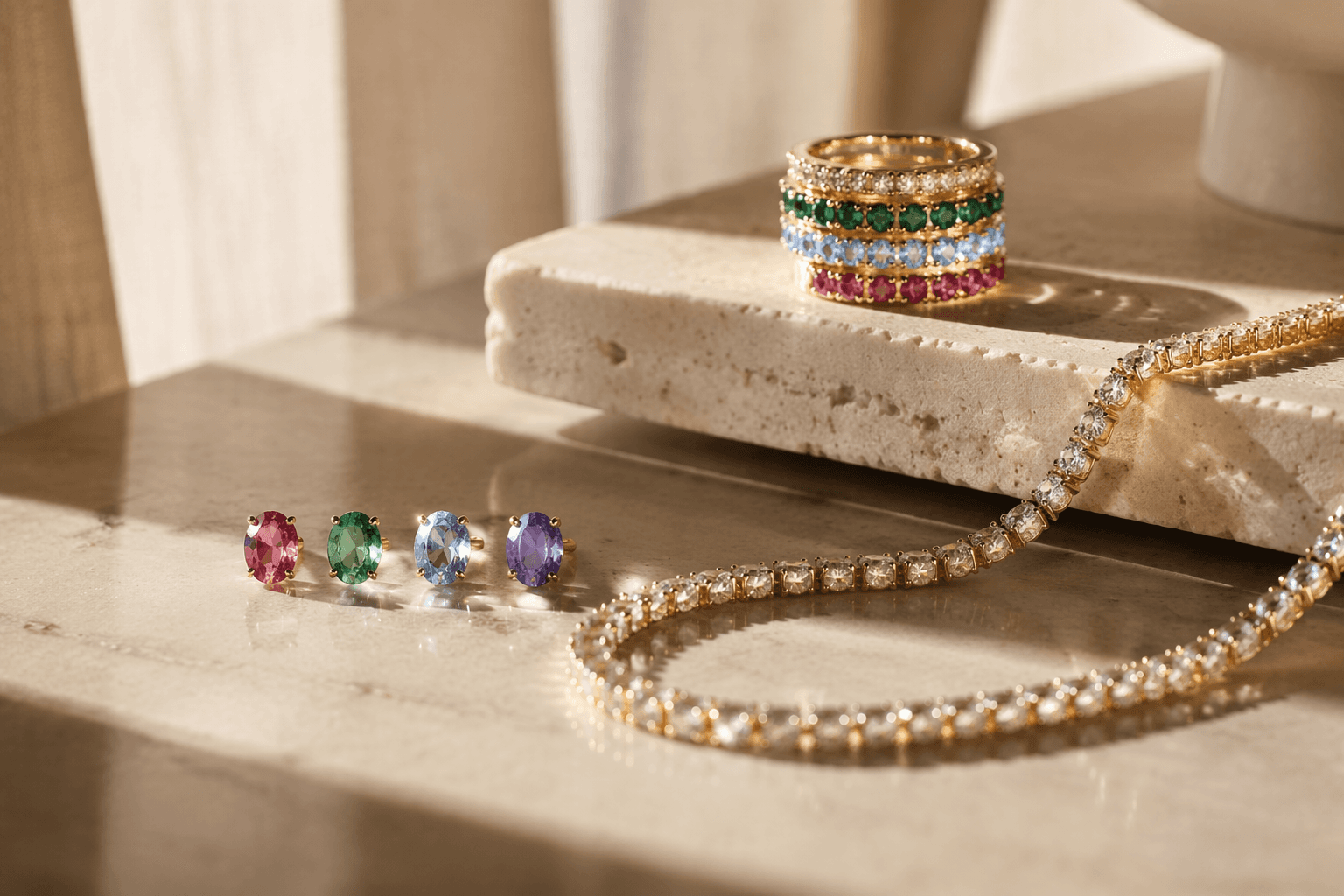
The strongest looks on the carpet all shared the same instinct: use jewelry to trace anatomy, create rhythm and build texture across the body. Diamonds supplied sharp flashes, colored gemstones brought saturated depth, and gold provided sculptural warmth. Instead of stacking indiscriminately, the best styling created zones of emphasis, with one piece answering another across the collarbone, hand or wrist.
For collectors and first-time buyers alike, this trend rewards pieces with distinct form. A necklace with a strong center line, a bracelet that sits like a cuff, or a ring with enough volume to read from a distance will work harder than fragile, undifferentiated layers. The point is not excess for its own sake; it is to make every piece earn its place in the composition.
If you are buying with provenance in mind, that same discipline should apply to the paperwork. Ask for clear stone origin details, treatment disclosure, and documentation for precious metals instead of settling for vague language about sustainability or responsibility. A beautiful body-conscious jewel should be able to tell a clear story about what it is made of and where it came from.
That is what made the Met Gala so revealing this year. The strongest jewelry no longer simply dressed the body, it interpreted it, and that is where layering is headed next.
This article was produced by Prism’s automated news system from verified source data, official records, and press releases, then run through automated quality and moderation checks before publishing. The system is built and supervised by the people who set the standards it runs under. Read our full AI policy.
Know something we missed? Have a correction or additional information?
Submit a Tip