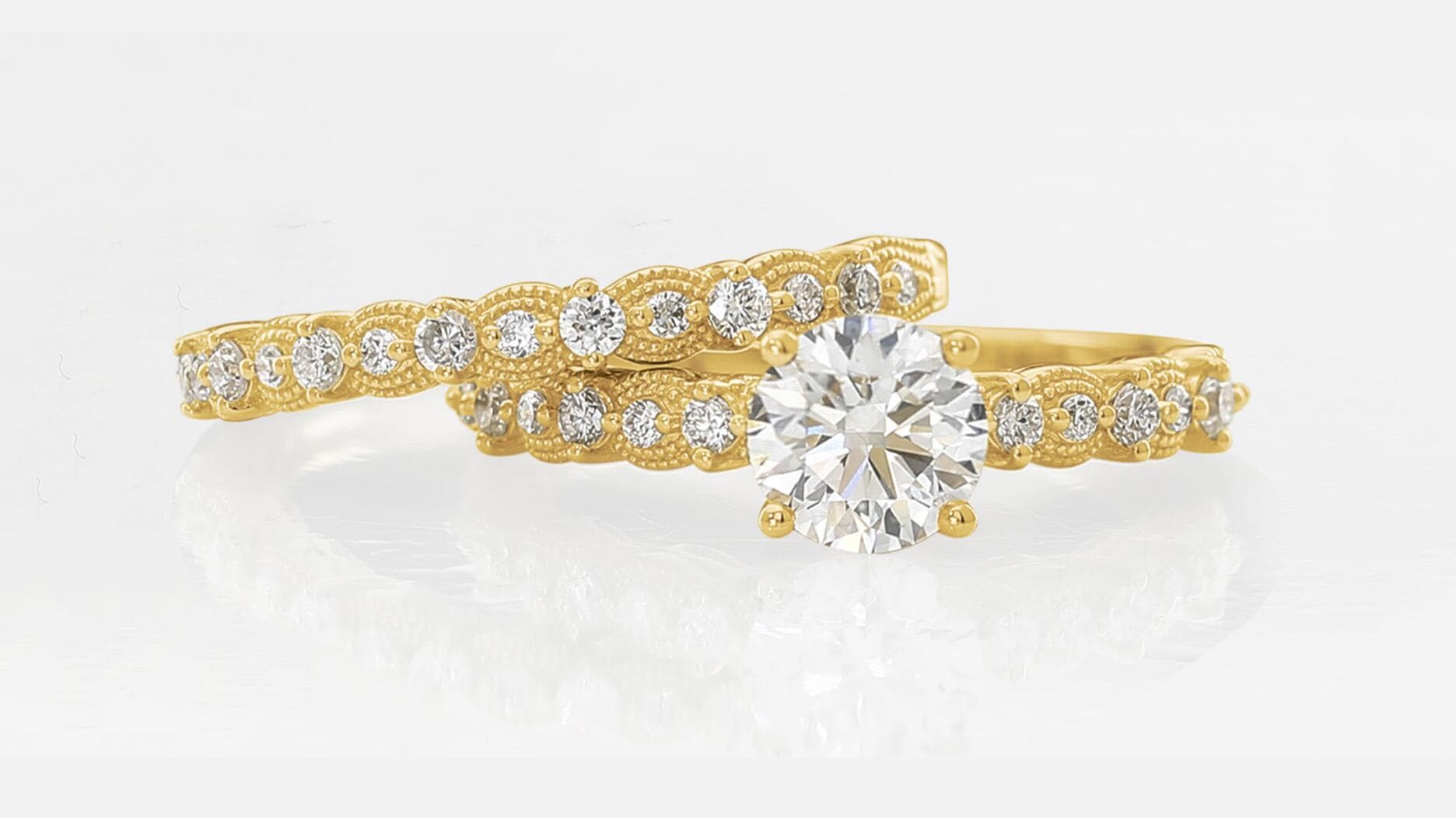
Antique Diamonds Captivate Bridal Shoppers with History and Heirloom Appeal
Taylor Swift put old mine cuts back in the spotlight, but antique diamonds resonate because they feel singular, storied, and heirloom-ready.
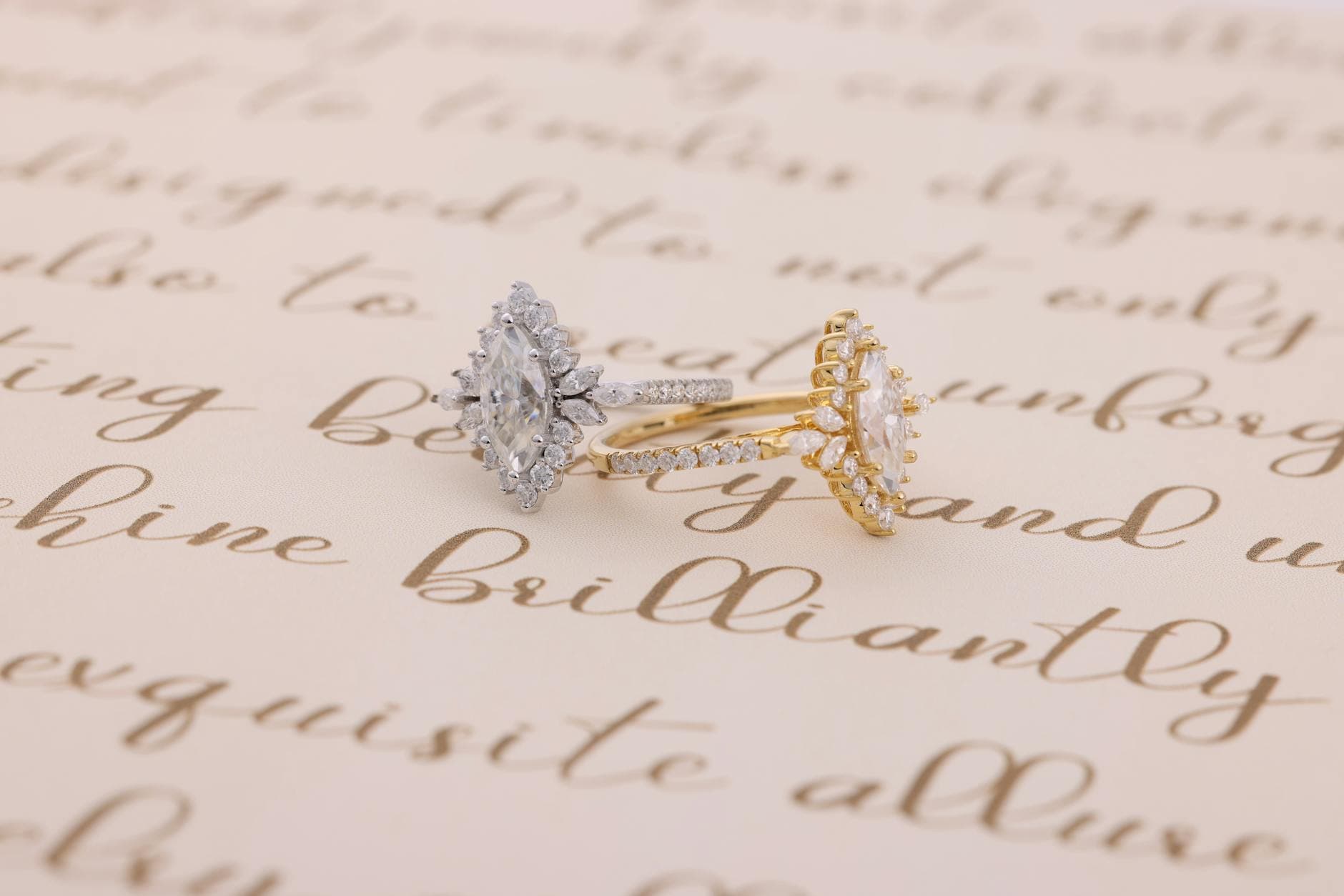
Why antique diamonds feel more personal
Taylor Swift put old mine cuts back in the spotlight, but the deeper appeal is quieter: antique diamonds feel like they were chosen for character, not conformity. Jay Moncada, who built Perpetuum Jewels after seeing opportunity in the estate and secondary market around 2011, framed the idea as "an alternative to newly mined" stones after the 2009 collapse, and his guiding principle is to "let the material talk to you." That is exactly the kind of language bridal buyers respond to when they want a ring that reads as personal rather than mass-produced.
The category has always been niche, and Moncada says sourcing has become more challenging as interest has grown. That scarcity is part of the draw: antique diamonds are not attractive because they are easy to find, but because they bring a sense of discovery and a built-in story that a freshly cut stone cannot imitate.
What makes an antique diamond look antique
GIA places the old mine cut in the early 18th century through the late 19th, with the style most often seen in Georgian and Victorian jewelry. It is recognized by a soft, squarish outline, rounded corners, a high crown, a small table, a larger culet, and 58 facets, but the real distinction is that early cutters shaped these stones by eye and by hand. Because the process depended on the rough crystal, no two stones land in exactly the same place visually.
The old European cut tells a related story. GIA describes it as an evolutionary step toward the modern round brilliant, already in place by around 1750, with a much smaller table, a higher crown, shorter lower halves, and a larger culet than modern rounds. For shoppers, that means antique diamonds do not just signal age. They show the history of diamond cutting itself, from hand-guided proportions to the more standardized brilliance of today.
How to judge one with your eyes
Use the eye test before the sales pitch. Antique diamonds are compelling when their proportions feel visibly different from a modern round brilliant, and that difference should look charming, not damaged. GIA’s descriptions give you a practical checklist for what to notice in person.
- Look for a soft square, cushion-like, or gently oval face-up shape with rounded corners.
- Expect broader facet reflections and a softer, candlelit glow rather than the hard, staccato sparkle of a modern precision cut.
- Study the crown and culet. A higher crown and an open culet are classic antique signals.
- Do not be put off by slight asymmetry. In an old hand-cut stone, small variations are part of the personality.
Those visual cues matter because cut is ultimately about how a diamond interacts with light. GIA defines cut as the craftsmanship behind brightness, fire, and scintillation, so an antique stone should be evaluated on the kind of light it gives back, not only on whether it matches modern symmetry.
Why provenance matters, and why vague green claims are not enough
An antique diamond is not automatically a clean ethical shortcut. What it does offer is a different sourcing story, one rooted in reuse, estate circulation, and the secondary market rather than new extraction. That distinction matters, but it still leaves room for questions: where did the stone come from, has it been recut, and has anything about it been altered to make it look more contemporary?
This is where documentation becomes essential. GIA notes that its graders evaluate diamonds under 10x magnification and record clarity, polish, symmetry, and plotted characteristics on the grading report, which gives buyers a standardized picture of the stone in front of them. For an antique diamond, that report will not tell the whole biography, but it does give you a factual baseline that is far more reliable than romantic language alone.
Why the emotional case is so strong
JCK has described the antique and estate market as a place for buyers who want uniqueness with historical context, and another jeweler in the category put it even more plainly: "The only real trend that exists at the moment is individualism." That is why antique diamonds resonate with modern couples who are tired of sameness. The stones offer difference that is visible, not performative.
That emotional charge is what turns an engagement ring into a future heirloom. An antique diamond already carries the suggestion of continuity, because it was made by hand, lived through another era, and arrived with a character modern machinery does not replicate. For bridal buyers who want meaning built into the material itself, that is the rarest kind of luxury.
This article was produced by Prism’s automated news system from verified source data, official records, and press releases, then run through automated quality and moderation checks before publishing. The system is built and supervised by the people who set the standards it runs under. Read our full AI policy.
Did this article answer your question?