Berkshires jeweler says beauty, not jargon, sells natural diamonds
Tim McClelland is betting that a diamond sells best when the setting is beautiful enough to compete with the stone. His Wildflower rings start around $4,000 and climb into five figures.
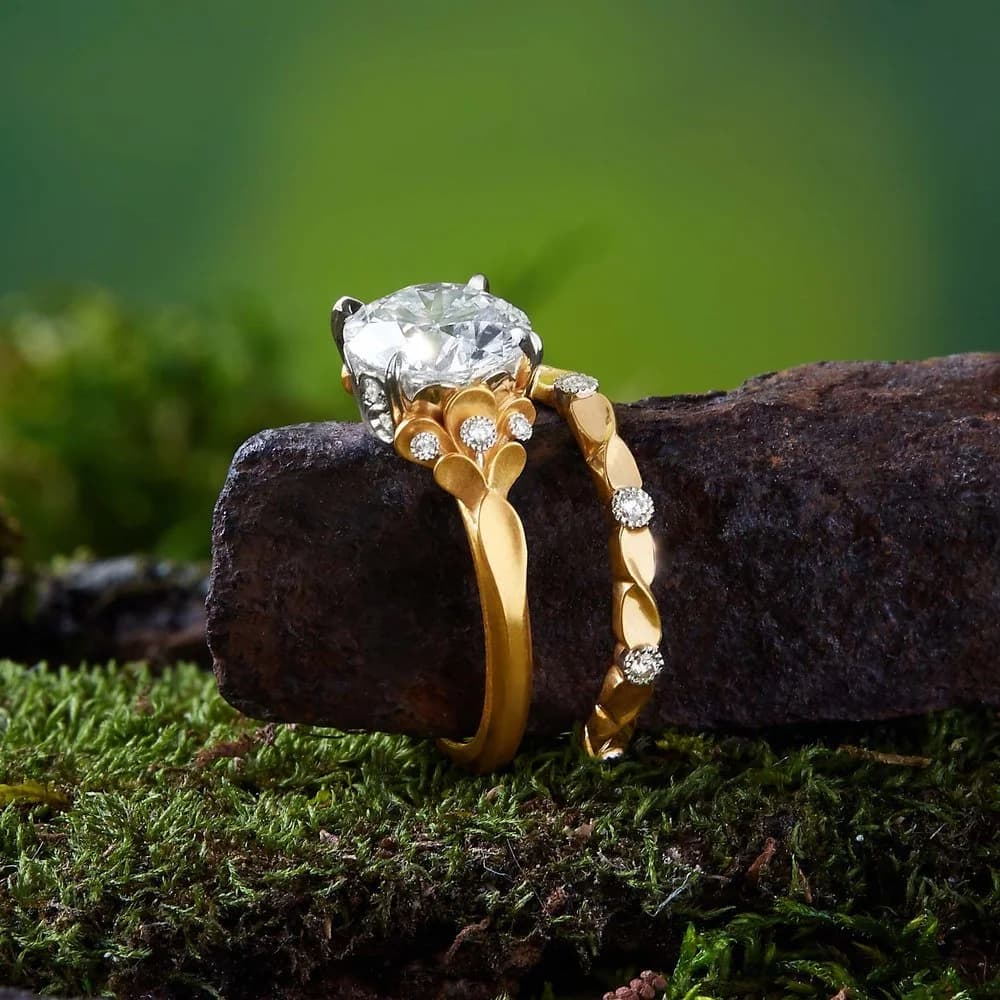
Tim McClelland has made a career out of arguing that natural diamonds do not need louder language, only better design. The classically trained jeweler, who runs TW McClelland & Daughters with his daughters, Sadie and Emma, in Great Barrington, Massachusetts, says buyers respond to what they find “beautiful and interesting,” and that instinct still carries weight in a market crowded with lab-grown comparisons and technical claims.
At his boutique in the Berkshires, McClelland’s answer is the Wildflower collection, a line of wedding rings rooted in the late 1990s, when he was design director at McTeigue & McClelland. TW McClelland & Daughters says it has been handcrafting fine jewels in the Berkshire Hills since 1996, and the family business has kept that approach intact with recycled metals, repurposed stones and, in part of its bridal line, 100% Fairmined gold. The Wildflower mountings start around $4,000 and can reach the $10,000 range for more elaborate styles, a price band that places the work firmly in the realm of serious handcrafted bridal jewelry rather than commodity solitaire shopping.
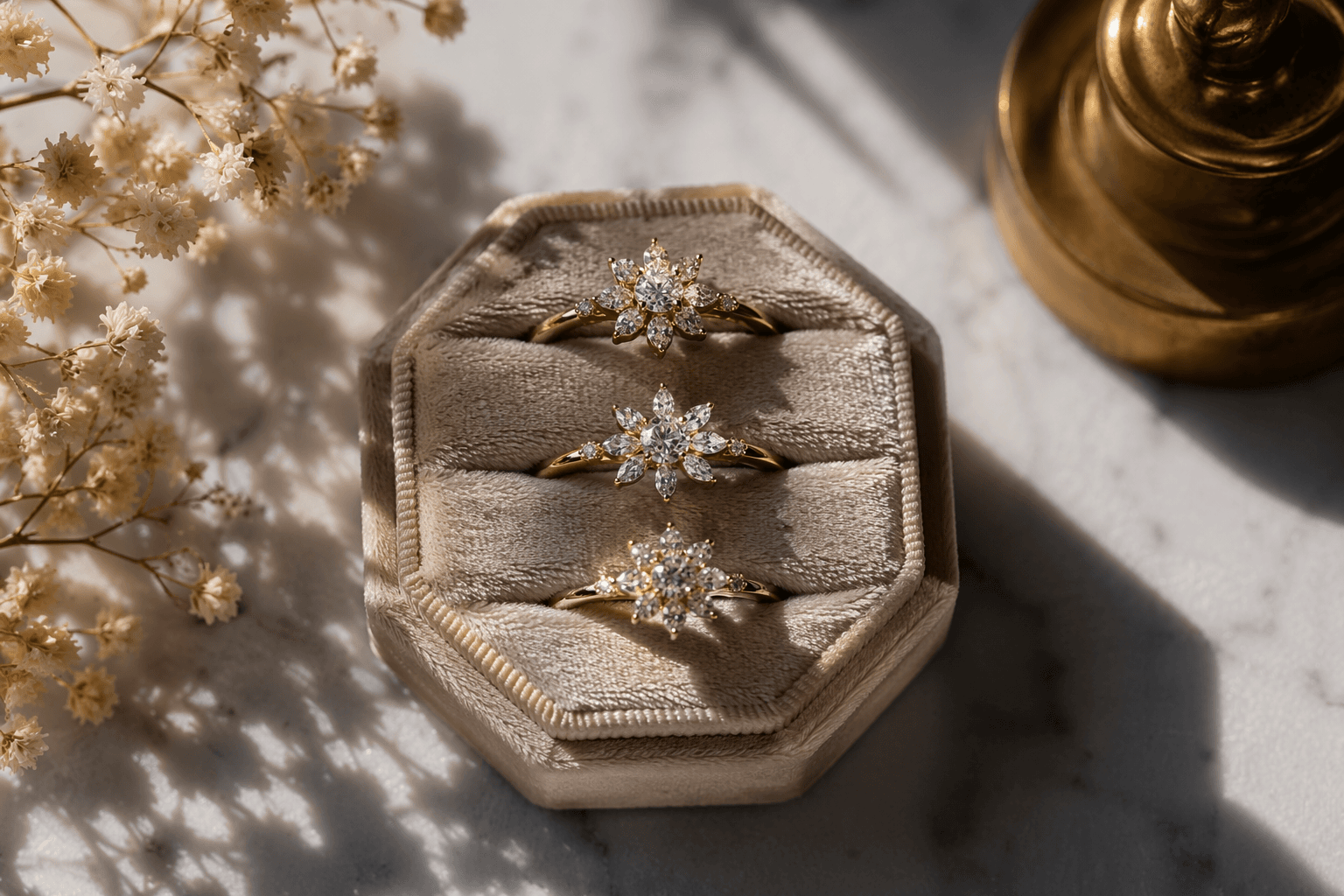
McClelland’s argument is also a design critique. For more than a century, he said, traditions such as Tiffany & Co.’s six-prong solitaire made the stone the sole star of the ring. In his own work, he wanted the mounting to matter too. That shift became more practical when he began working with larger stones, often 5 to 10 carats, because the extra scale gave him room to build natural-motif shoulders around the diamond and create a ring that felt composed, not merely set. The result is a piece that treats the diamond and the architecture around it as one object.
That philosophy lands in a market that is still sorting out how it values natural stones. The Natural Diamond Council says its 2025 trends report drew on more than four million jewelry transactions, and found holiday jewelry sales by specialty jewelers were up more than 6% by the end of 2025. Rings led natural-diamond demand at 39%, with earrings at 20%. The same organization says a 1.5-carat laboratory-grown diamond has fallen 83% in value over the past nine years, a stark reminder of how intense the price pressure has become.
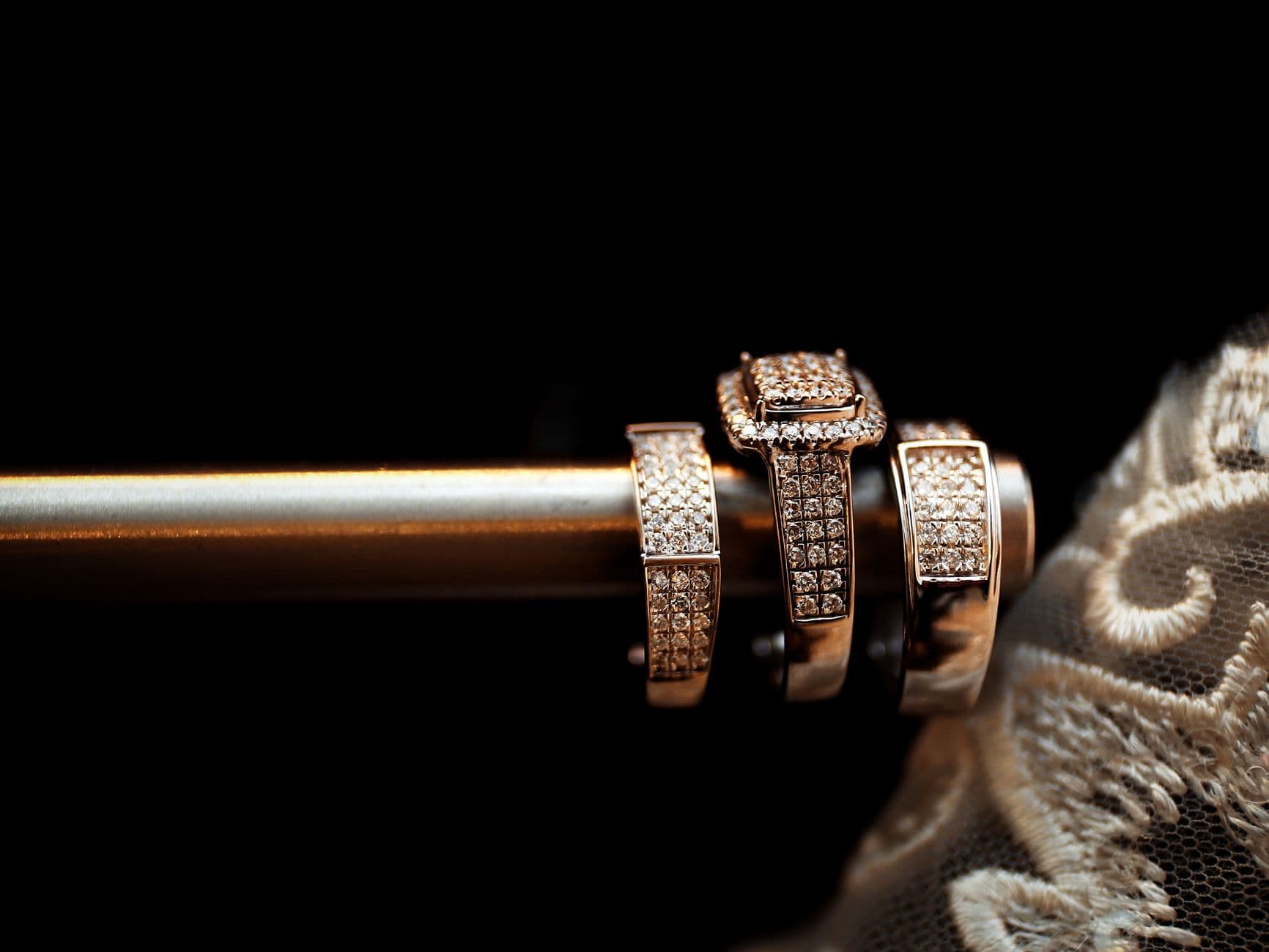
Against that backdrop, McClelland’s retail lesson feels almost old-fashioned in the best way. The Federal Trade Commission’s Jewelry Guides require truthful disclosures about type, quality, cut, color, treatment, origin, price and value, and its consumer guidance says lab-created gemstones must be described accurately. McClelland is making a different case: when the stone and the setting are both worth looking at, the sale does not depend on jargon at all. It depends on beauty that can be seen at a glance.
This article was produced by Prism’s automated news system from verified source data, official records, and press releases, then run through automated quality and moderation checks before publishing. The system is built and supervised by the people who set the standards it runs under. Read our full AI policy.
Know something we missed? Have a correction or additional information?
Submit a Tip