Brilianto turns Emirates Stadium carbon into Arsenal diamonds
Arsenal has turned carbon from the Emirates Stadium pitch into individually numbered, IGI-certified diamonds. The 1,886-piece collection nods to 1886, plus 49 Cannon Necklaces and 11-piece A’Heritage runs.
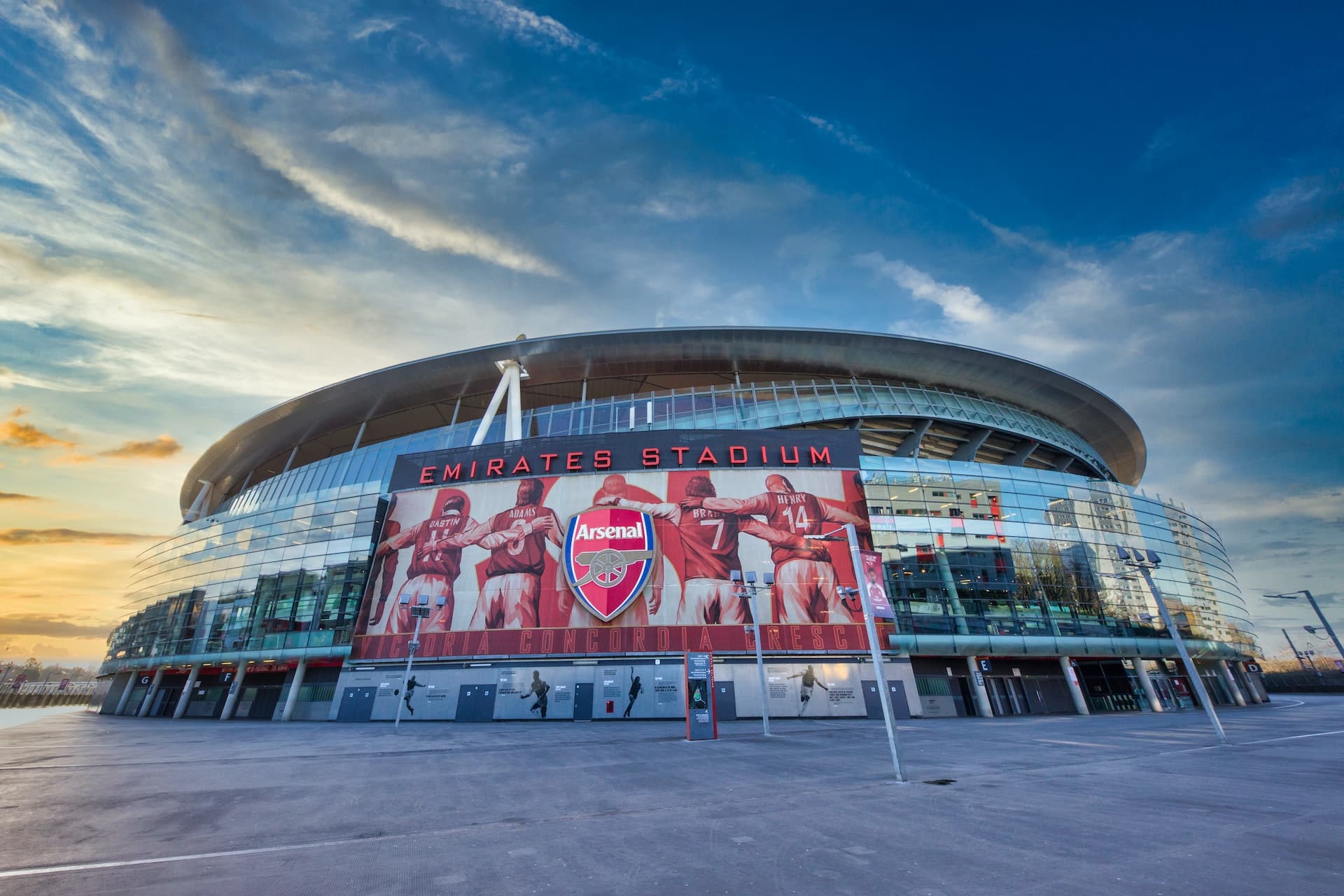
Arsenal is not selling another souvenir here. It has turned carbon lifted from the Emirates Stadium pitch into lab-grown diamonds that fans can wear, a literal fragment of club memory set in precious metal and certified stone.
The limited-edition collection was presented at Emirates Stadium on April 30, 2026 and launched in early May. Arsenal said the official licensing agreement with Brilianto, announced on October 6, 2025, created a three-tier release of 1,886 pieces, a direct reference to the club’s founding year, 1886. Each piece is individually numbered, and diamonds of 0.5 carats and above are IGI-certified. Brilianto says every diamond comes with a certificate of origin and is produced through a fully traceable process, language that matters in a market where provenance can still be vague, even when the stone itself is modern.
The symbolism is doing most of the work, and it is unusually specific. Brilianto’s Arsenal collection includes 49 Cannon Necklaces, a nod to the club’s unbeaten 49-match run, while certain A’Heritage pieces are limited to 11 units worldwide. That scarcity gives the range a collector’s logic, but the stronger appeal is emotional: this is jewelry built from the physical ground of a football club, not just its logo. Santiago Bach called it “more than just jewellery,” saying each piece carries “the essence of Emirates Stadium.”
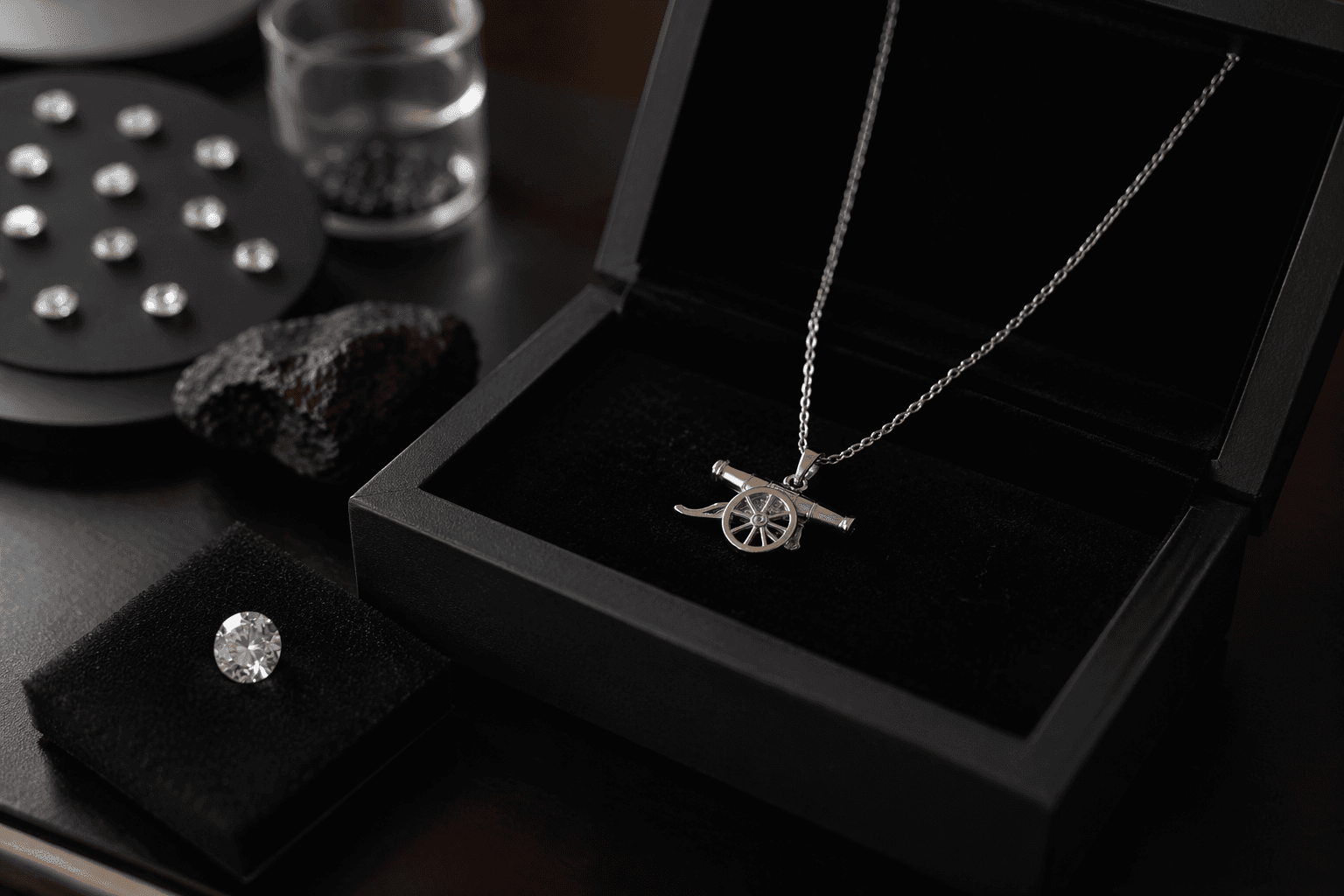
Brilianto’s creative director Marcel Bach said the design was meant to weave Arsenal’s iconic cannon and history into the pieces. The brand has done similar work for FC Barcelona, Atlético de Madrid, Benfica and Real Madrid, but Arsenal said this was its first UK collaboration of this kind. That matters because the British football market has long been rich in memorabilia, yet rarely this refined, this traceable or this explicitly tied to the architecture of a home ground.
There is also a deeper club story underneath the marketing. Arsenal’s Diamond Club is named in honor of Danny Fiszman, the former director and diamond dealer who helped drive the move from Highbury to Emirates Stadium. Fiszman died on April 13, 2011, and the stadium opened in 2006. This collection folds that history into a contemporary luxury format, arriving just as lab-grown diamonds have moved closer to the mainstream. For Arsenal, the pitch is no longer only where matches are won; it is now material for legacy.
This article was produced by Prism’s automated news system from verified source data, official records, and press releases, then run through automated quality and moderation checks before publishing. The system is built and supervised by the people who set the standards it runs under. Read our full AI policy.
Did this article answer your question?