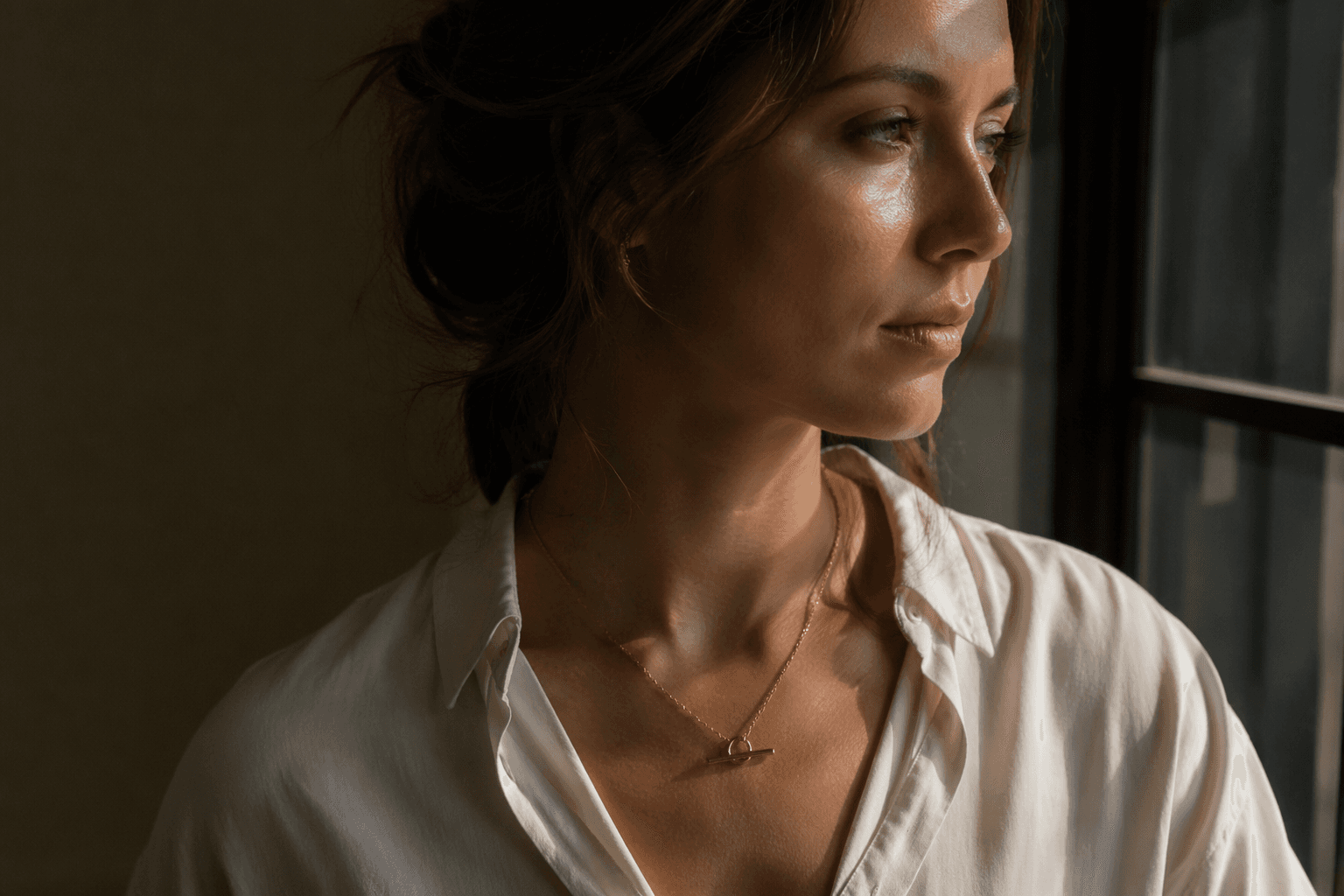
Charm jewelry surges on nostalgia, high gold prices, and symbolism
Tiny charms are back as gold prices climb, with lockets, evil eyes and letters turning sentiment into stackable luxury.
Charm jewelry is having a very specific moment: small enough to feel intimate, symbolic enough to feel personal, and finely made enough to stand on its own as luxury. Rising metal prices have pushed the look toward scaled-down pendants and petite motifs, while nostalgia and layered styling have made charms feel freshly collectible again. The result is a category that reads less like costume nostalgia and more like a precise language of identity.
The new charm language
National Jeweler’s current style read on the category frames the revival around high metal prices, nostalgia jewelry, and the continued pull of layered-on looks. That mix has nudged the market toward smaller pieces, from tiny lockets to letter charms, with evil eyes and cowrie shells joining the mix. The appeal is practical as well as emotional: a smaller charm uses less gold, but it can still carry a strong personal message.
That is why the category has become one of the more interesting spaces in jewelry right now. Instead of relying on size or carat weight to make a statement, charms lean on symbolism, memory, and the pleasure of choosing a motif that feels like a private code. A charm is easy to gift, easy to collect, and easy to add to over time, which makes it feel tailor-made for a market that prizes both sentiment and restraint.
Why gold prices are changing the shape of the trend
The broader gold market helps explain why small charms are getting so much attention. In the World Gold Council’s Q1 2026 Gold Demand Trends report, jewellery demand volumes remained under pressure because prices were so high, even as total gold demand value climbed to a record US$193 billion. Global gold demand reached 1,231 tonnes in the quarter, a modest year-over-year increase that still came with a much heavier price tag attached to every gram.
That matters for jewelry design because it changes what feels desirable and attainable. When gold is expensive, a finely finished miniature pendant can feel smarter than a heavier piece with less personality. The market is rewarding jewelry that gives the impression of abundance through layering, not weight, which makes charm necklaces especially timely.
Why these motifs still work
Part of the category’s staying power comes from its oldest function. Charms have been worn for thousands of years as amulets or talismans, meant to protect the wearer from bad luck or harm. That history gives the category emotional durability: even the smallest piece can carry the feeling of a guard, a wish, or a memory.
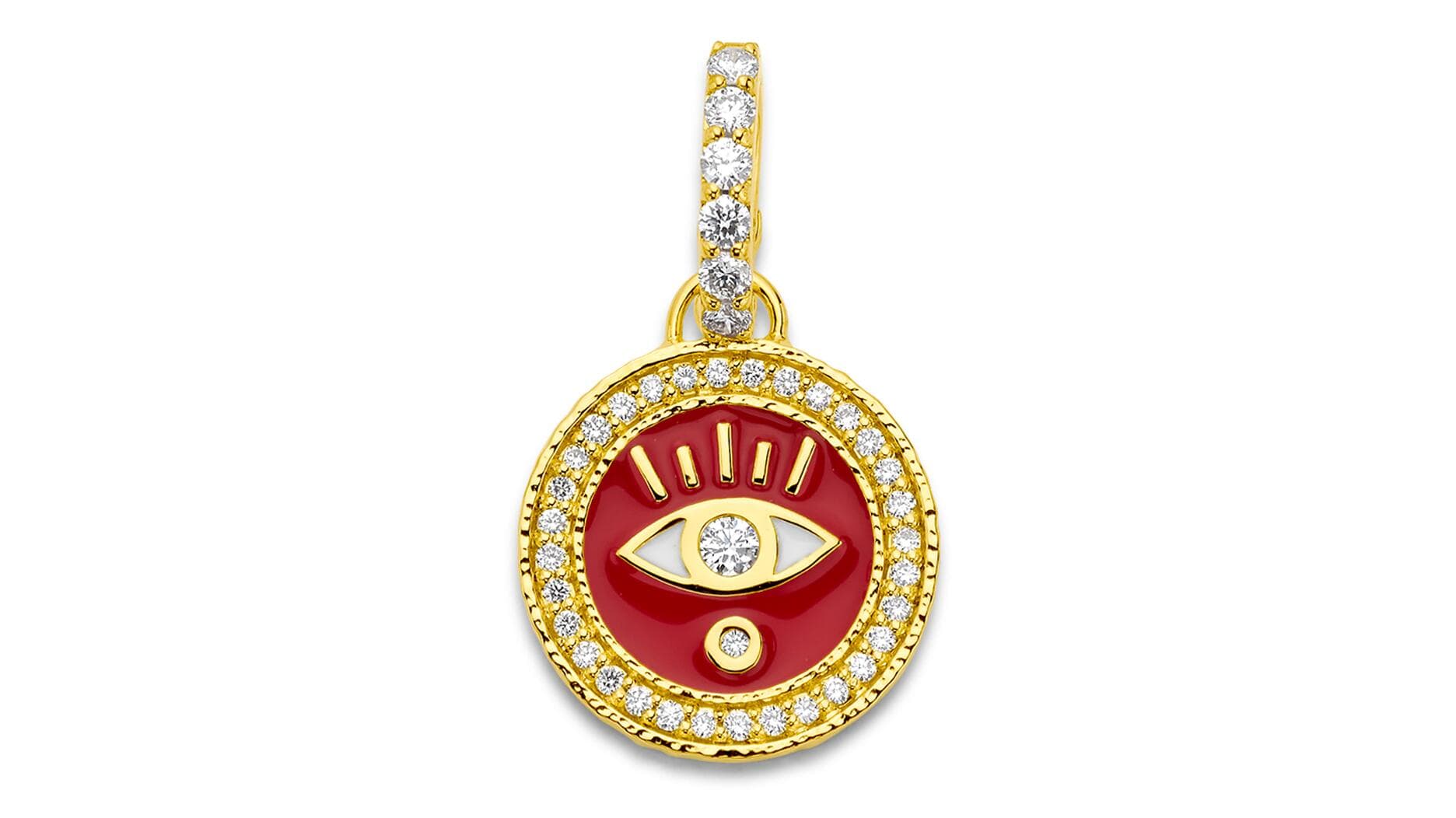
That is also why the symbols trending now feel so intuitive. An evil eye charm carries protection and vigilance. A locket suggests secrecy, closeness, or a photograph kept hidden against the skin. A letter charm can stand for a name, a child, a partner, or simply a first initial that turns the piece into a shorthand for selfhood. A cowrie shell evokes travel, fertility, heritage, and the long history of shell adornment across cultures, which gives it both a natural and a storied quality.
The charm wardrobe, decoded
The most compelling charm jewelry right now is the kind that lets the wearer tell a story without spelling everything out.
- Lockets feel intimate and slightly old-world. They are the smallest form of keepsake jewelry, built to hold a memory, a portrait, or simply the idea of one.
- Evil eyes are the most immediately legible protective symbol, and they remain powerful because the message is simple: keep bad energy away.
- Letters are direct and personal, whether they stand for a name, a child, a partner, or a place that matters.
- Cowrie shells bring in texture, movement, and a sense of global ornament, which makes them feel a little freer and more bohemian than a classic gold pendant.
Each of those motifs works because it leaves room for interpretation. That ambiguity is part of the charm. A piece can look personal without becoming overly literal, which is exactly what makes it giftable.
How charm necklaces are evolving
The trend is not limited to dangling pieces on bracelets. Charm necklaces are becoming a major vehicle for the look, and the styling is more considered than the old tangle of overlapping pendants. Spacers are being used so charms can be displayed separately instead of stacked on top of one another, which gives each motif its own visual space and makes the necklace feel more curated.
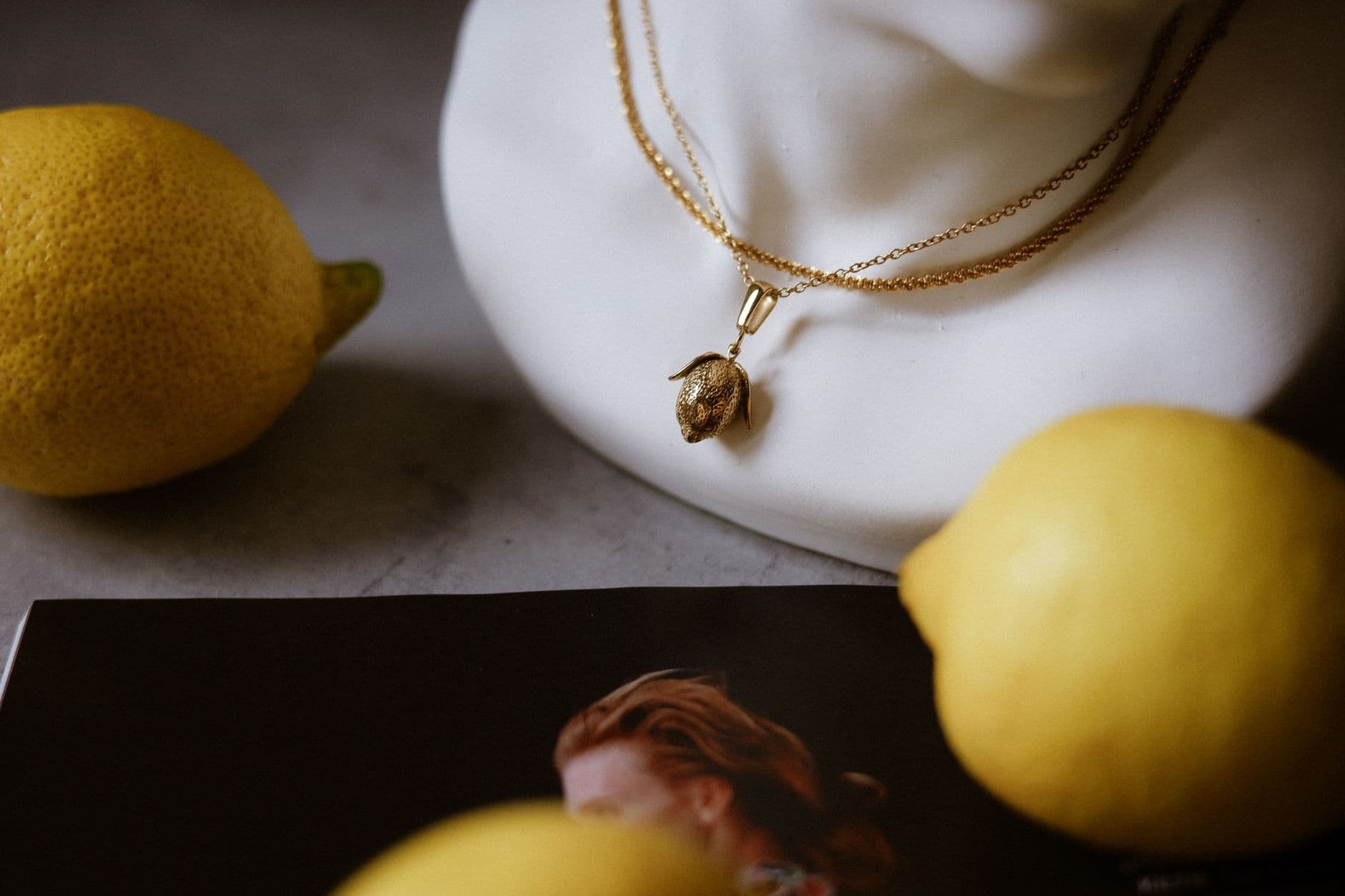
Smaller pendants are also being worn in a charm-like way, which broadens the category beyond traditional hang-and-dangle designs. That shift is important because it turns a necklace into a modular object: one piece can look quiet alone, then accumulate meaning as more charms are added over time. It also fits neatly with the collector mindset now surrounding jewelry, where the pleasure lies in building a personal composition rather than buying a single finished look.
The luxury signal is in the detail
The clearest example of where the market is landing is Buddha Mama’s Evil Eye charm, priced at $4,050. That number tells you exactly how this trend operates at the high end: the motif may be small, but the craftsmanship, material value, and brand positioning can still place it firmly in luxury territory. A tiny charm at that price has to earn its keep through finishing, design clarity, and the strength of the symbol itself.
That also explains why charm jewelry can feel both accessible and exclusive at the same time. The silhouette is small enough to fit into everyday layering, but the best pieces still carry the polish and presence expected of fine jewelry. In this category, scale is not the measure of value. Meaning is.
Why the trend is likely to last
National Jeweler’s broader 2026 trend coverage points to personalization and meaningful details as a major jewelry direction, and charm jewelry fits that shift neatly. The category meets the moment because it allows for emotional specificity without demanding maximalism. It can be protective, romantic, commemorative, or playful, often all at once.
That is the real reason the small charm revival matters. In a year when gold is expensive and consumers are more selective, the pieces that win are the ones that can carry a story in a few millimeters of metal. Charms do exactly that, which is why they feel less like a passing flourish and more like a refined answer to what jewelry is being asked to do now.
This article was produced by Prism’s automated news system from verified source data, official records, and press releases, then run through automated quality and moderation checks before publishing. The system is built and supervised by the people who set the standards it runs under. Read our full AI policy.
Did this article answer your question?