Colored gemstones gain ground in bridal as buyers seek distinction
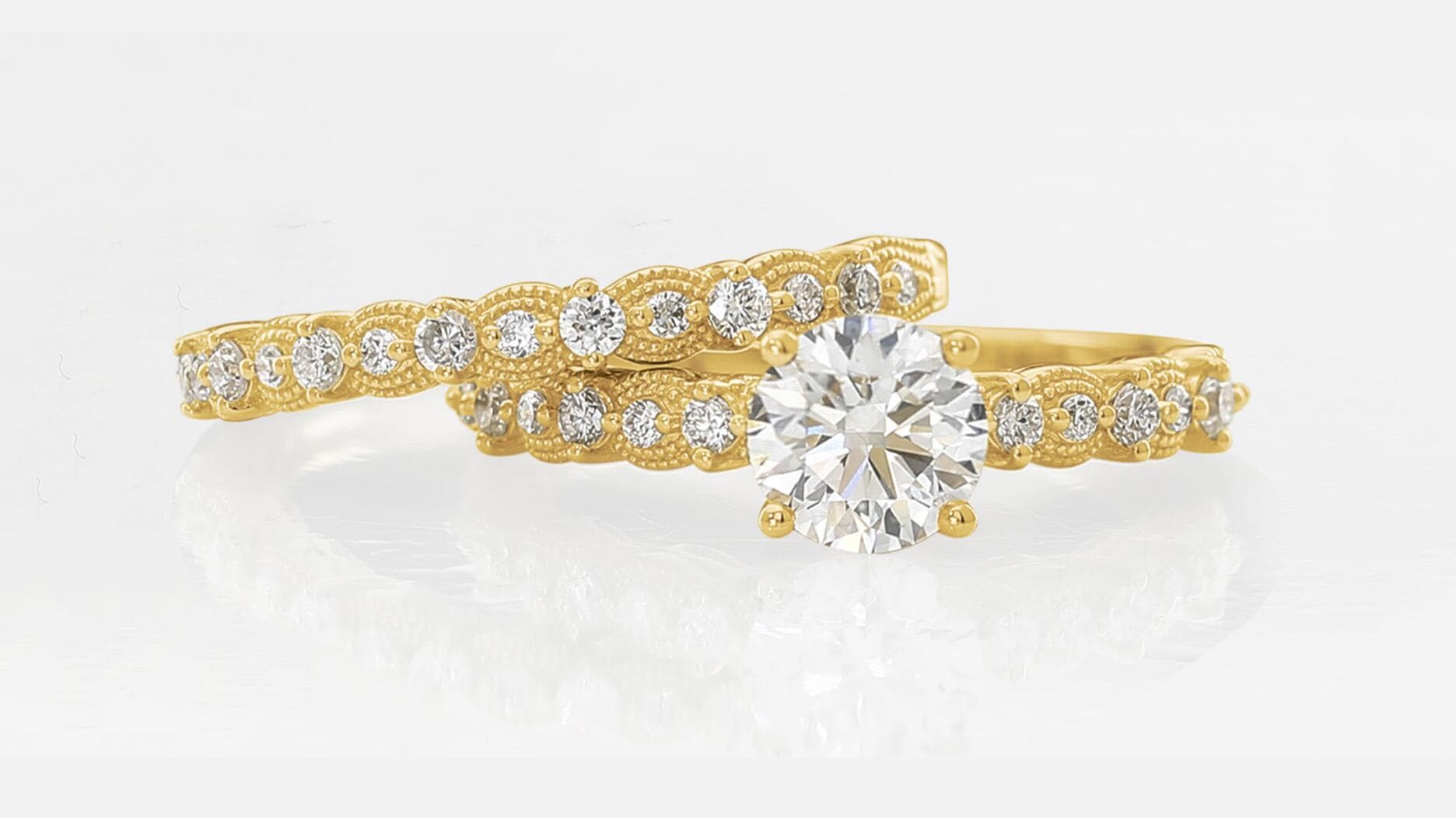
Colored stones are moving from accent to center stage in bridal, as buyers trade sameness for sapphire, emerald, ruby and other stones that feel personal.
Colored gemstones are edging into bridal because many buyers want a ring that does more than sparkle. At a JCK panel in Las Vegas on June 4, 2026, retailers and dealers said sapphire, emerald, bicolor tourmaline and ruby are increasingly serving as center stones for engagement rings, especially for shoppers who want something visibly different from the large, inexpensive lab-grown diamond look now common in the market.
Kimberly Collins, a dealer-designer, said color has never been more hot in her 30-year career. She said she had recently brokered four or five ruby bridal settings, a small but telling sign that red stones are moving beyond fashion jewelry and into the most consequential purchase in a couple’s life. Danny Shaftel of Houston’s Shaftel Diamonds said some high-end clients who once would have chosen a 3- to 5-carat natural diamond are now considering a natural gemstone center stone instead, in part because color makes a ring feel more singular and less comparable to mass-market lab-grown styles.
That shift is not just aesthetic. It reflects a broader recalibration in how buyers define value. In February 2024, Ankur Daga, chief executive of Angara, said colored gemstones had grown from about 5 percent of engagement rings a decade earlier to more than 15 percent, and more than 20 percent of respondents in an Angara survey said they would upgrade to a colored gemstone engagement ring if they could. Signet Jewelers was also seeing traction in sapphire, morganite, London blue topaz, aquamarine, green quartz, amethyst and ruby in wedding and Valentine’s merchandise, while Brilliant Earth’s Beth Gerstein linked gemstone appeal to shoppers who want a more distinctive and personalized piece.
The strongest colored stones still carry the weight of history. Sapphires, emeralds and rubies remain the “Big Three,” long associated with royalty and prestige, yet their modern desirability is now being shaped by tighter supply and sharper price points. National Jeweler reported that untreated fine sapphires have tripled in price since the pandemic, while the American Gem Trade Association said demand for emerald auction material had climbed three to four times and some emerald prices were now more than triple earlier levels. Bruce Bridges called the mood in the market “great excitement for color” and said it was “the future.”

For retailers, that means selling color requires more than inventory. The JCK panel stressed onboarding, monthly gemstone emails, trunk shows and in-store training, because a sapphire or emerald ring carries different stories about origin, rarity and cut than a diamond solitaire. In bridal, distinction is becoming the new luxury, and colored gemstones are supplying it with far more personality than a single pricing narrative ever could.
This article was produced by Prism’s automated news system from verified source data, official records, and press releases, then run through automated quality and moderation checks before publishing. The system is built and supervised by the people who set the standards it runs under. Read our full AI policy.
Did this article answer your question?