Divorce jewelry goes mainstream as designers reset old stones
Divorce jewelry is becoming a mainstream reset category, as designers recast engagement stones and heirlooms into rings, earrings, and pendants that signal reinvention.
From heartbreak to reset
Divorce jewelry is moving from a niche idea into a mainstream fine-jewelry category, and the shift says as much about identity as it does about design. Instead of treating an engagement ring or family heirloom as a sealed chapter, clients are asking jewelers to turn old stones into reset rings and remade pieces that feel intentional, modern, and lived-in.
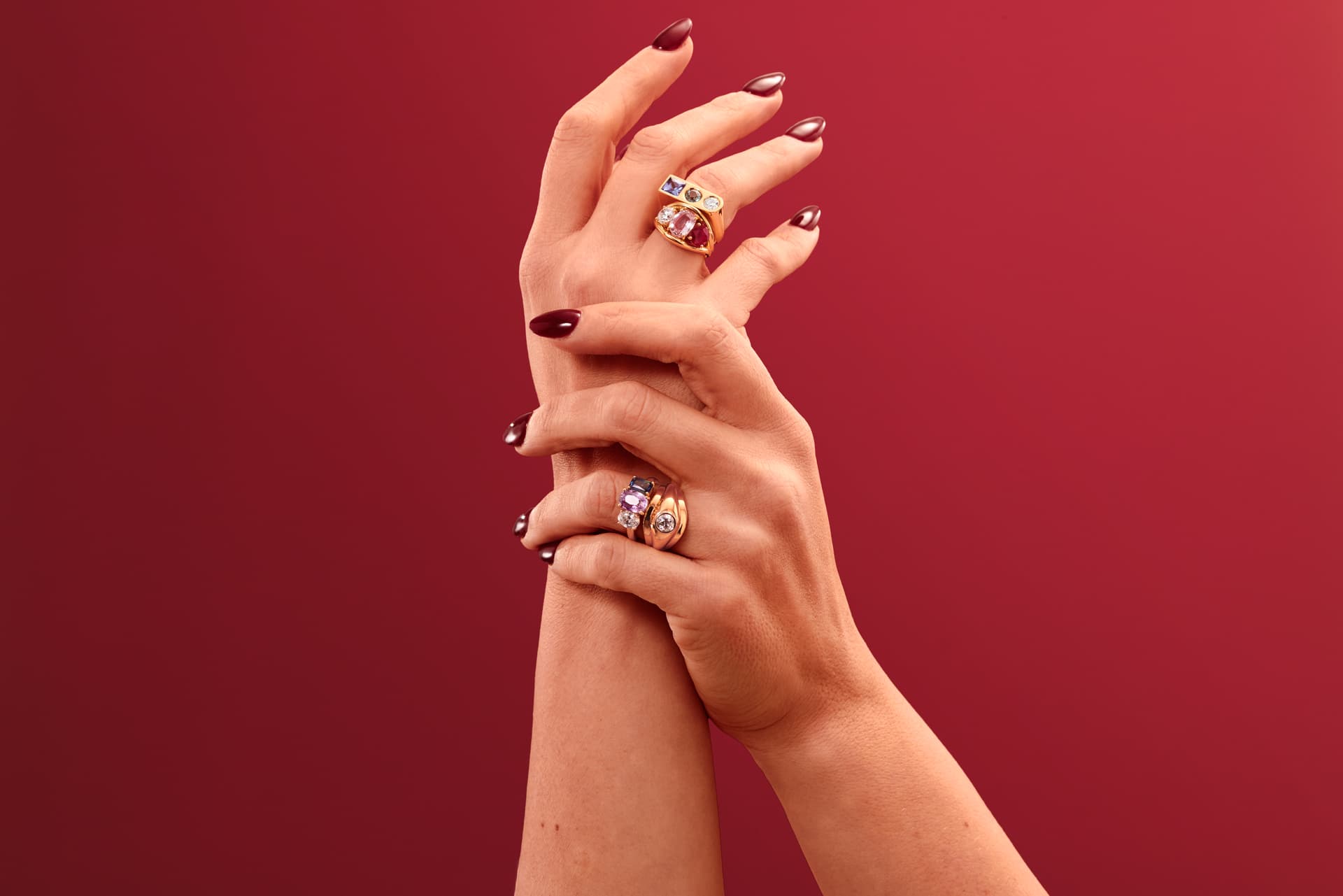
Sam Hamilton has built Sam Ham around that idea. Her London-based brand focuses on divorce jewellery and ring remodelling, transforming relationship-linked jewels and inherited stones into new symbols of power and change. The appeal is simple and emotionally sharp: the stone stays, but the meaning changes with the setting.
Why the reset ring now feels less taboo
The category took shape through a very specific kind of commission. Hamilton has said the idea began when a client wanted a 60th-birthday gift for her divorced mother, whose engagement and wedding rings no longer felt wearable, even though they still carried real value. Hamilton reimagined the original diamond with coloured gemstones, creating a design that kept the material story intact while giving it a new life.
That instinct is what makes divorce jewelry different from revenge jewelry, a phrase that can make the category sound louder and narrower than it really is. The stronger version is more personal: a piece made for a next chapter, not a public statement. For many clients, the emotional logic is stronger than resale, because redesign lets them keep the original stone, preserve family history, and reshape the jewel into something they actually want to wear.
The celebrity moments that pushed it into view
The trend gained broad visibility through Emily Ratajkowski, who debuted two Alison Lou rings in March 2024 after resetting diamonds from her engagement ring following her split from Sebastian Bear-McClard. The details mattered. These were not entirely new stones bought to mark a new era, but old diamonds recut into fresh pieces, which made the gesture feel both practical and pointed.
Rachel Zoe gave the idea another high-profile turn after filing for divorce in July 2025. She later commissioned a custom Ring Concierge divorce ring and said she began designing it in the summer of 2025, eventually choosing a bold oval diamond after first considering a cushion cut. That kind of decision tells you a lot about the category’s direction: the symbolism is still personal, but the design choices are getting more specific, more deliberate, and more couture-minded.
What gets remade, and how
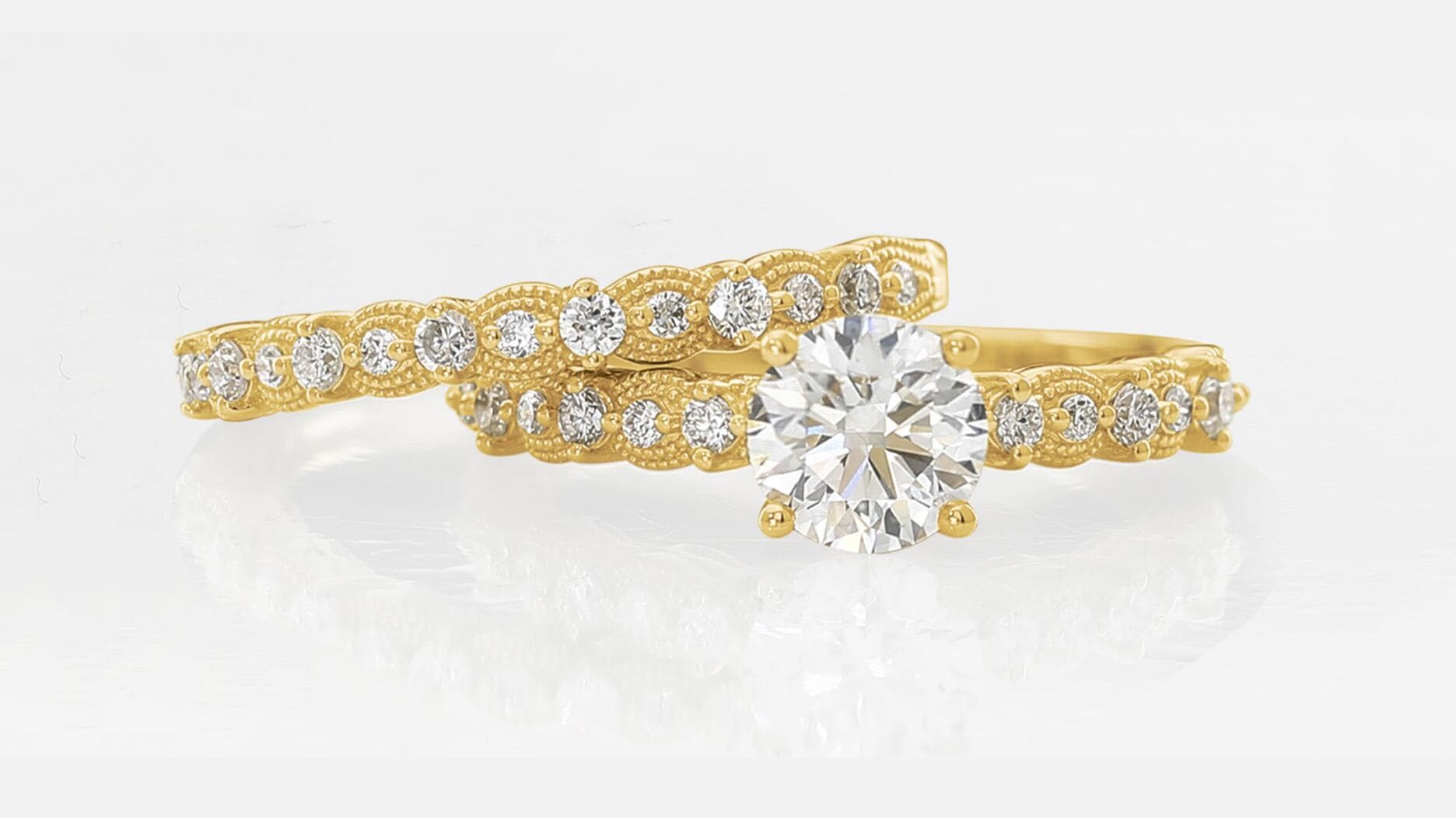
The most common starting point is an engagement ring, especially one with a center diamond that still has obvious material and emotional value. But the practice is wider than rings alone. Clients are resetting stones into earrings, pendants, and other bespoke pieces when they do not want the original finger-ring format to carry the story anymore.

That flexibility is part of why the category is catching on. A diamond can become a pendant that sits closer to the heart, or earrings that feel less tied to a former relationship than a ring worn on the hand. Heirloom pieces can also be remade, which gives the process a second layer of meaning: one generation’s stone can be recast for another life stage without losing its provenance.
Why redesign often beats resale
Resale can be emotionally blunt. It turns a jewel with a specific history into an item with a market price, and that is not always what people want from a piece that marked a marriage, a family line, or a milestone birthday. Redesign keeps the stone in play and lets the owner decide what the next version should say.
It can also make more sense practically. If the diamond, gold, or inherited stone still has quality and size, remodelling preserves the material the client already owns while allowing the setting to be rebuilt around current taste. That is one reason jewelers are seeing more requests for bespoke reset work instead of straightforward selling.
This idea is older than the current moment
The modern buzz makes divorce jewelry sound newly invented, but the impulse to remake after a breakup is not new. A 2024 Acast episode on the trend noted that repurposing jewelry after divorce goes back to the early 20th century, which places today’s reset culture in a longer lineage of reworking private symbols after public change.
The historical reference is even more pointed in a 1952 Amy Vanderbilt etiquette guide, which reportedly recommended redesigning a post-divorce ring and wearing the finished piece on the pinkie as a sign of availability. The details may feel of their era, but the underlying idea is recognizable now: jewelry can declare status, mark transition, and signal that an old identity has been consciously edited.
Why the category is sticking
What makes this trend more than a celebrity moment is the way designers are framing it as craftsmanship rather than spectacle. Sam Ham’s work, Emily Ratajkowski’s reset Alison Lou rings, and Rachel Zoe’s custom Ring Concierge piece all point to the same shift: old stones are no longer being viewed only as reminders of the past, but as materials for a new authorial voice.
That is why divorce jewelry feels like a real category rather than a novelty. It is about provenance, but not in the museum sense. It is provenance as design detail, a way of keeping the stone’s history visible while giving the wearer the last word.
This article was produced by Prism’s automated news system from verified source data, official records, and press releases, then run through automated quality and moderation checks before publishing. The system is built and supervised by the people who set the standards it runs under. Read our full AI policy.
Did this article answer your question?