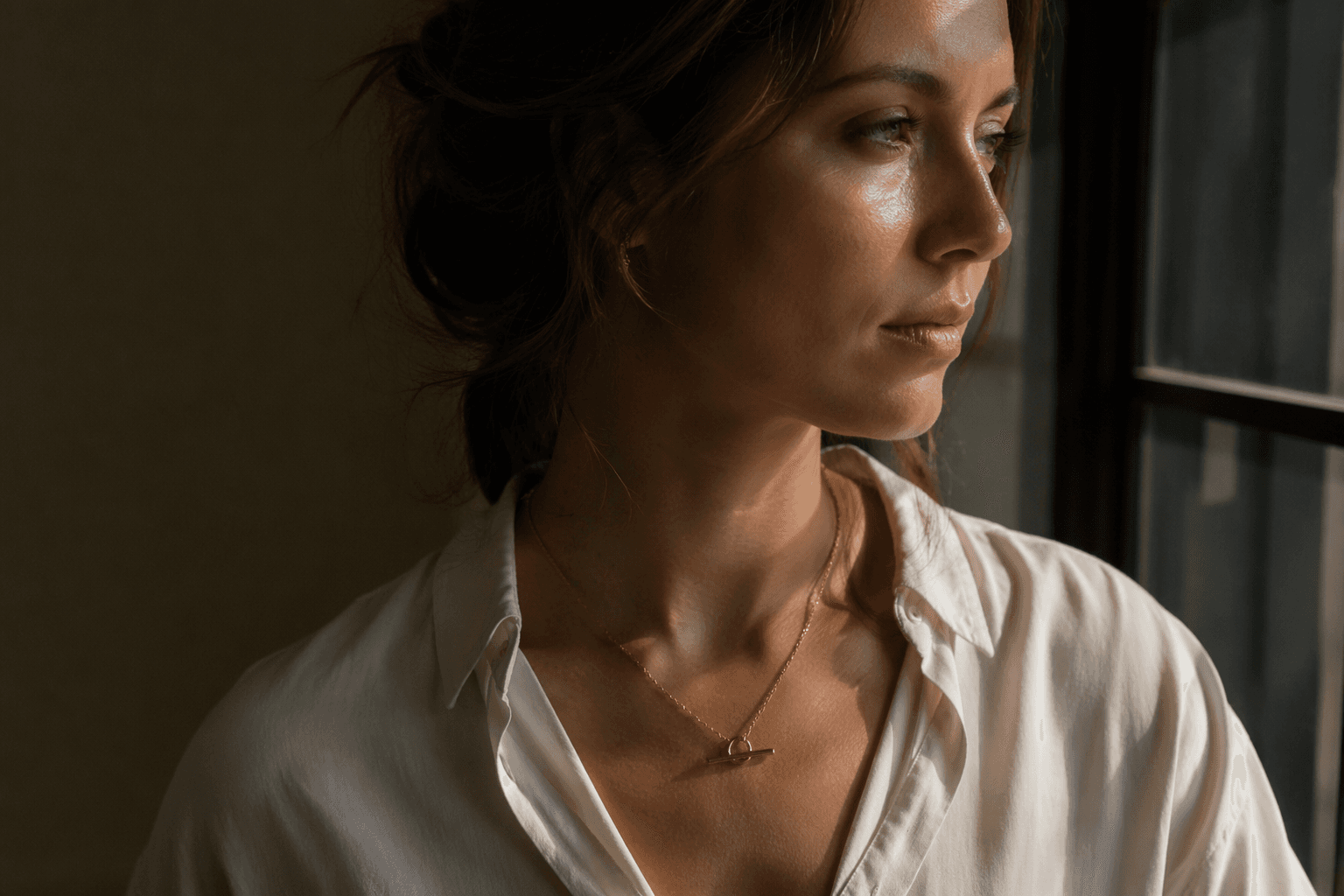
Gen Z reshapes jewelry luxury as six retail trends emerge
Gen Z still wants jewelry with memory and personality, but tighter budgets are forcing brands to prove value, provenance and staying power. Brooches, heirlooms and vintage looks are leading the shift.

Luxury has to survive the budget
Gen Z is not turning away from jewelry, but it is asking a harder question before it buys: does this piece feel meaningful enough to justify the spend? That question lands in a K-shaped economy, where the top 50% of earners increased spending in 2025 while the bottom 50% pulled back. Bain expects U.S. retail sales to grow 3.5% in 2026, and the National Retail Federation projects 4.4% growth, or about $5.6 trillion, yet that broad lift still masks the strain lower-income shoppers are feeling.
For jewelry, that means luxury is being redefined in real time. A piece no longer wins simply because it looks expensive; it has to look intentional, wearable and worth keeping. Younger buyers are willing to spend, but they want the purchase to feel justified by design, longevity and a story that outlasts a season.
Nostalgia is now a sales strategy
The cleanest emotional shift in the market is nostalgia, but not the soft-focus kind that stops at sentiment. Pinterest’s 2026 trend report showed rising searches for brooches, heirloom jewelry and "'80s luxury," which is a useful signal that younger shoppers are looking backward with purpose, not as an escape hatch. They want references that feel specific and collectible, not generic throwback styling.
That same instinct showed up in holiday retail, where jewelers built campaigns, catalogs and windows around nostalgia, exploration and making new memories with jewelry. The message is subtle but powerful: the right piece can carry memory without feeling old. For a generation weighing every purchase against rent, travel and daily costs, that kind of emotional efficiency matters.
Brooches and heirlooms are back on the rack
Brooches have quietly become one of the most interesting symbols in the current jewelry conversation. They are compact, expressive and visible, which gives them an advantage in a market where younger buyers want a piece to do more than sit in a box. A brooch also lets a retailer sell craftsmanship in a way the customer can see immediately, from the pin mechanism to the setting and silhouette.
Heirloom jewelry plays an even deeper role because it arrives with built-in narrative. Whether a piece is newly made or truly inherited, the word “heirloom” signals durability, continuity and a design meant to outlive trend cycles. That is a sharp contrast to disposable fashion jewelry, and it helps explain why story-driven pieces are gaining ground among shoppers who want jewelry that feels personal from the first wear.
Vintage, antique and natural diamonds carry emotional value
Gen Z’s fascination with vintage jewelry is not just a stylistic preference, it is a value judgment. Natural Diamonds has noted that younger buyers are drawn to vintage pieces and to the rich history of a natural diamond, which suggests that origin and age can carry as much weight as sparkle. In a market crowded with polished-newness, patina and previous life have become selling points.
That changes the conversation around category mix. Antique rings, old-cut diamonds and vintage-inspired pieces offer a sense of singularity that mass-market jewelry often cannot match, especially when every feed is crowded with the same basic silhouettes. The appeal is not only romance, but differentiation: a piece with visible age or historical reference can feel more authentic than one that simply borrows the look of the past.
Personal story beats disposable style
The strongest jewelry now behaves like a memory holder. JCK’s holiday coverage found that jewelers were leaning on nostalgia, exploration and making new memories with jewelry, and that language reflects a shopper who wants a piece tied to a moment, not just a trend. The emotional pitch is clear: the jewelry should keep earning its place after the occasion has passed.
That has direct implications for product design and merchandising. Retailers are being pushed toward collections that feel customizable, expandable and repeatable, rather than one-and-done fashion buys. In practical terms, that means more room for pieces that can be layered, mixed or added to over time, because younger consumers want their jewelry box to grow with them instead of being refreshed from scratch every season.
What brands must prove now
The hard truth for jewelers is that nostalgia alone is not enough. In a financially pressured market, brands have to prove where materials come from, how a piece is made and why it deserves to stay in circulation. Provenance, sustainability and craftsmanship are no longer quiet extras; they are part of the value proposition.
That is where vague language falls apart. If a brand says a piece is meaningful, it has to show the setting, the stone quality, the construction and the reasoning behind the price. The winners in this cycle will be the jewelers that make beauty legible, so a younger buyer can see not just what the piece says about them now, but why it will still matter later.
This article was produced by Prism’s automated news system from verified source data, official records, and press releases, then run through automated quality and moderation checks before publishing. The system is built and supervised by the people who set the standards it runs under. Read our full AI policy.
Did this article answer your question?