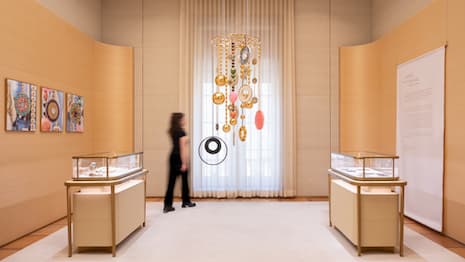
Guangdong Museum opens Al‑Sabah royal collection from Kuwait, showcasing Silk Road treasures
Guangdong Museum is showing more than 200 treasures from Kuwait’s Al‑Sabah collection, with several dozen items making their first international appearance and the show running through March 8, 2026.
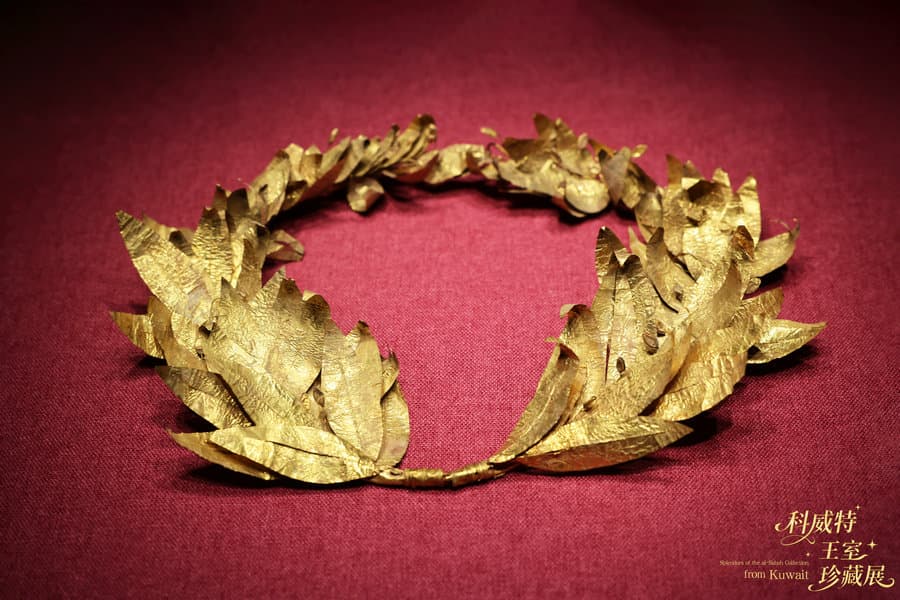
Guangdong Museum in Guangzhou is presenting Splendors of the Al‑Sabah Collection from Kuwait, a survey of more than 200 objects drawn from the Al‑Sabah royal collection and organized with Art Exhibitions China. Musesilkroad, citing Xinhua, records that the exhibition was unveiled on December 9 and will remain on view until March 8, 2026; the show was ongoing as of March 2, 2026.
The exhibition is organized around four thematic sections titled “Bronze and Stone”, “Imperial Splendor”, “Hellenistic Brilliance” and “Persian Radiance”, names published by Musesilkroad and Xinhua. The “Bronze and Stone” section traces the technical and artistic transition from stone sculpture to early bronzes. “Imperial Splendor” assembles gold and silverware from early empires, while “Hellenistic Brilliance” presents jewelry and everyday objects of the Hellenistic period. “Persian Radiance” highlights the distinctive artistic language of the Sasanian Empire and explicitly explores cultural interactions with the Tang dynasty of China through Silk Road exchange.
The official Ministry of Culture and Tourism narrative posted on En Chinaculture emphasizes rarity and international loans: “Many of the featured artifacts are extremely rare. Some belong to the last remaining numbers of their kind, and several dozen pieces are being exhibited internationally for the first time.” That claim frames the exhibition’s diplomatic scale: Kuwait’s royal collection is lending museum‑quality pieces that, in several cases, have not been shown outside Kuwait before.
Material emphasis throughout the galleries favors metalwork and jewelry: the Hellenistic galleries foreground exquisite personal adornment alongside domestic objects, and the imperial displays concentrate on worked gold and silver tableware and regalia. Musesilkroad describes the show as “tracing the evolution of art from Mesopotamia to the Silk Road, it comprehensively showcases the beauty of ancient artworks and exchanges among civilizations,” a curatorial line that ties technical development to long-distance trade and cultural exchange.

Public accounts of the exhibition published so far list the organizers and thematic structure but do not include object‑level catalogue entries, curator bylines, or detailed provenance statements. The published texts from Musesilkroad/Xinhua and En Chinaculture supply section names, loan totals and rarity claims, but no individual object titles, accession numbers, or curator commentary are given in the available accounts.
As the Guangdong presentation closes on March 8, 2026, the Al‑Sabah loans amount to a concentrated catalogue of Silk Road connections: gold, silver and Hellenistic jewels that map a material history stretching from Mesopotamia through Persian courts to Tang China, and that stage Kuwait’s collection as an active partner in cross‑cultural museum exchange.
Know something we missed? Have a correction or additional information?
Submit a Tip