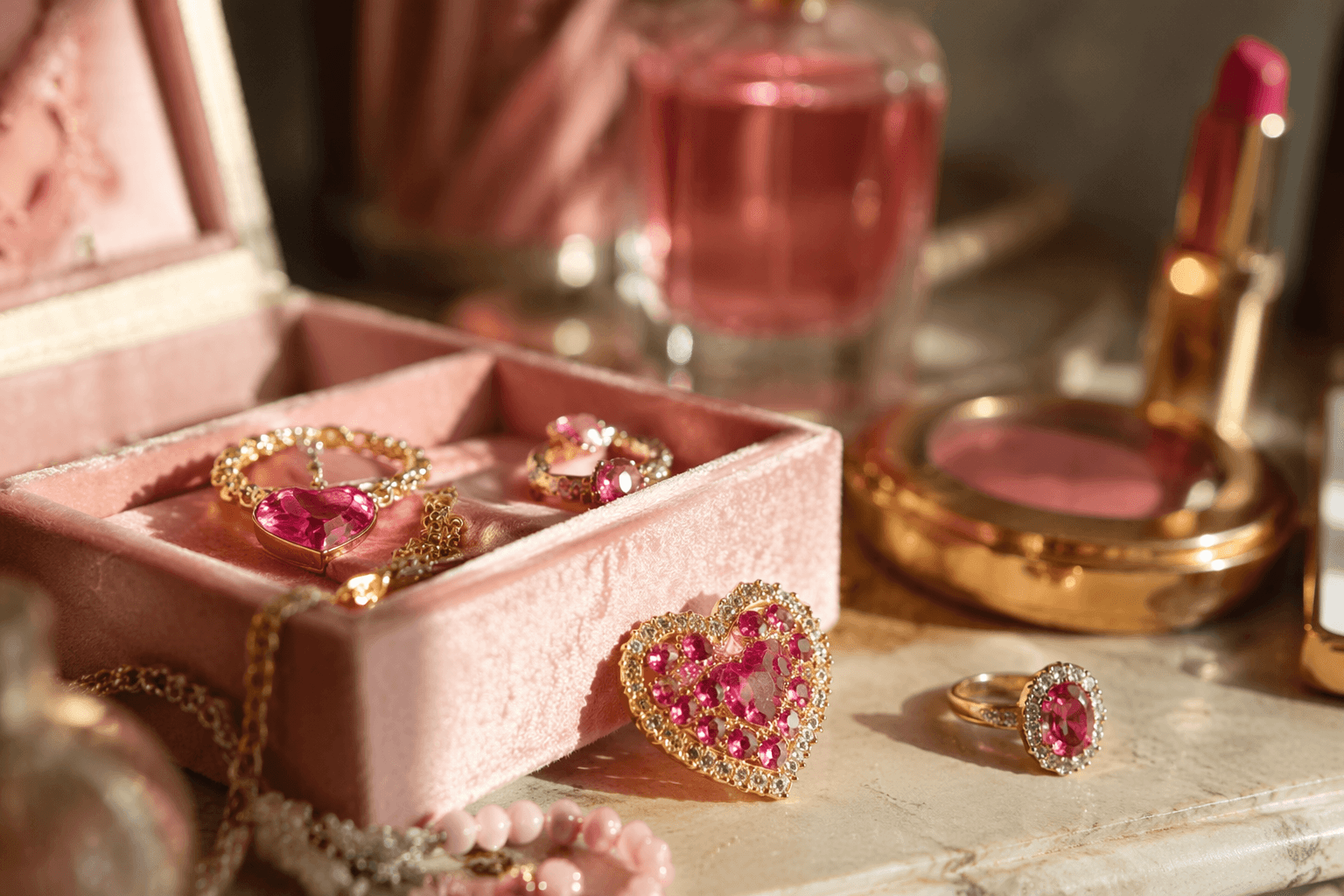
Harkness turns imperfect forms into a deliberate jewelry language
Harkness makes asymmetry feel disciplined, pairing irregular forms with recycled gold and ethical stones to turn imperfection into a modern jewelry code.
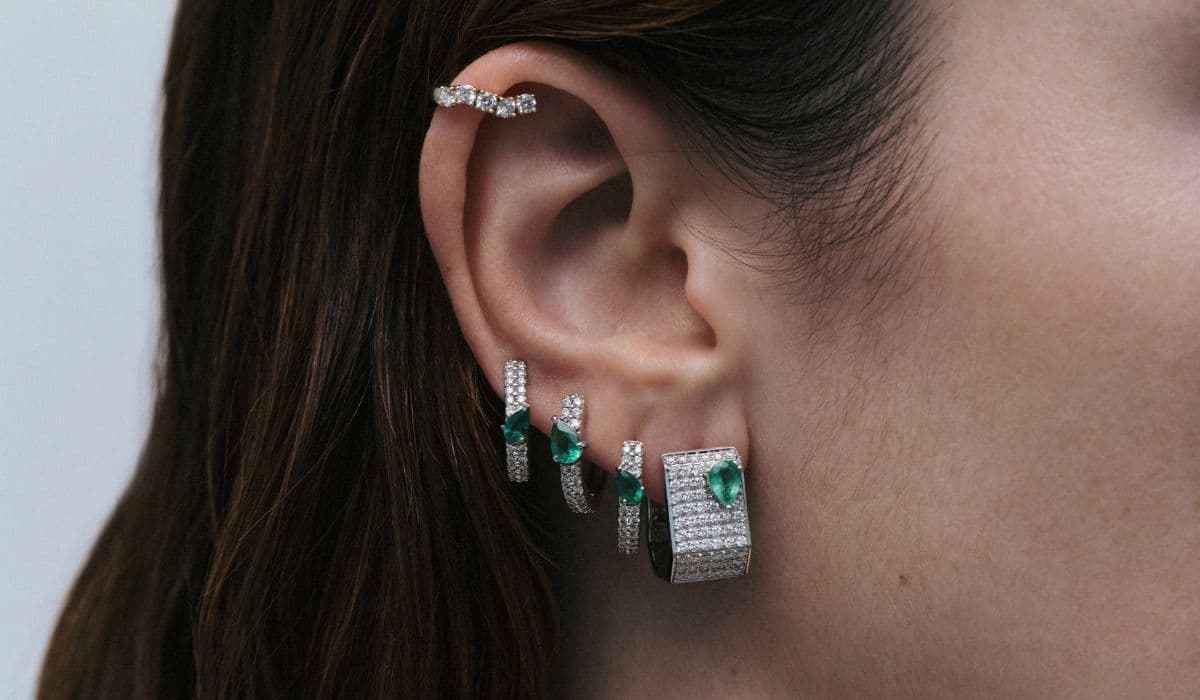
Harkness has built its identity around a deceptively simple proposition: the most compelling jewelry can look unforced even when every angle is considered. Founded in 2024 by sisters Phoebe and Georgina Harkness and based between Melbourne and New York, the brand treats irregular stones, off-center composition, and negative space not as accidents, but as a visual grammar. The result is jewelry that feels alive to the hand and the eye, with “organized chaos” operating less as a slogan than as a design discipline.
The grammar of asymmetry
What makes Harkness interesting is not that it uses asymmetry, but that it commits to it across the line. The names alone map the language: Diamond Bubble Ring, Corrugated Diamond Ring, Off-Centred Diamond Huggies, Asymmetry Emerald Earrings, Serpentine Diamond Ring, Diamond Matchstick Necklace. Each piece signals a different way of refusing symmetry, yet the collection still reads as a family because the brand keeps returning to the same ideas of offset balance, texture, and space.
That distinction matters. Intentional disorder has structure, while sloppy mismatch simply looks unfinished. Harkness avoids the latter by repeating a controlled set of motifs, then varying scale and placement. A ring may appear to drift off its axis, but the silhouette is still resolved; an earring may feel irregular, yet the proportions are measured enough to preserve elegance. In that balance, the brand finds its voice.
Why the aesthetic feels fresh now
This kind of jewelry lands because the market has been moving toward character over polish. Younger buyers, especially, are more open to visible flaws, spontaneity, and authenticity than to rigid perfection. Harkness sits squarely in that shift, turning irregularity into something aspirational rather than unruly. The appeal is cultural as much as visual: in a world of highly filtered surfaces, jewelry that preserves the look of the human hand feels newly persuasive.
There is also a practical elegance to the idea. Jewelry built around asymmetry and open space tends to feel less prescriptive on the body. It can be read as modern without being severe, expressive without becoming theatrical. That is part of why the brand’s “asymmetry meets elegance” framing works so well: it explains how the pieces stay wearable even when they resist convention.
Materials that reinforce the message
Harkness does not leave the concept floating on style alone. The brand says all cast products are created using 100% recycled gold, and its gemstones and diamonds come from RJC-certified suppliers that are conflict-free and ethically sourced. That matters because the material story and the design story are aligned. A piece that presents itself as conscious, deliberate, and beautifully off-kilter needs a sourcing narrative that feels equally considered.
The sustainability language is not bolted on as a marketing gloss. It becomes part of the value proposition for a buyer who wants meaning embedded in the object itself. Recycled gold gives the metal a circular logic, while ethically sourced stones support the brand’s insistence that beauty should not come at the cost of responsibility. In luxury jewelry, that combination is increasingly central to how modern clients judge worth.

How the collection translates concept into product
The ready-to-ship selection shows how Harkness turns theory into saleable form. The Asymmetry Diamond Ring, Asymmetry Emerald Ring, Asymmetry Garnet Ring, and Asymmetry Pink Ring extend the same vocabulary across different stones, allowing the silhouette to carry the message before the gem color does. That is a smart strategy, because it makes the design language legible even when the materials shift.
The price architecture also reveals how far the concept can scale. The Asymmetry Emerald Earrings start at $5,850, the Off-Centred Diamond Huggies are priced at $13,500, and the Diamond Matchstick Necklace comes in at $19,500. At the top end, the Corrugated Diamond Ring reaches $46,300, a price that places it firmly in the realm of high jewelry rather than casual luxury. Those figures tell you this is not decorative experimentation for its own sake. Harkness is positioning irregularity as a premium design code.
The collection names help, too. “Corrugated” suggests surface movement and architectural rhythm. “Matchstick” implies slenderness and linear tension. “Bubble” and “Serpentine” lean into softness and motion. Together, they create a vocabulary that is tactile before it is ornamental, which is exactly why the pieces feel less like mismatch and more like composed gestures.
The bespoke service and the logic of meaning
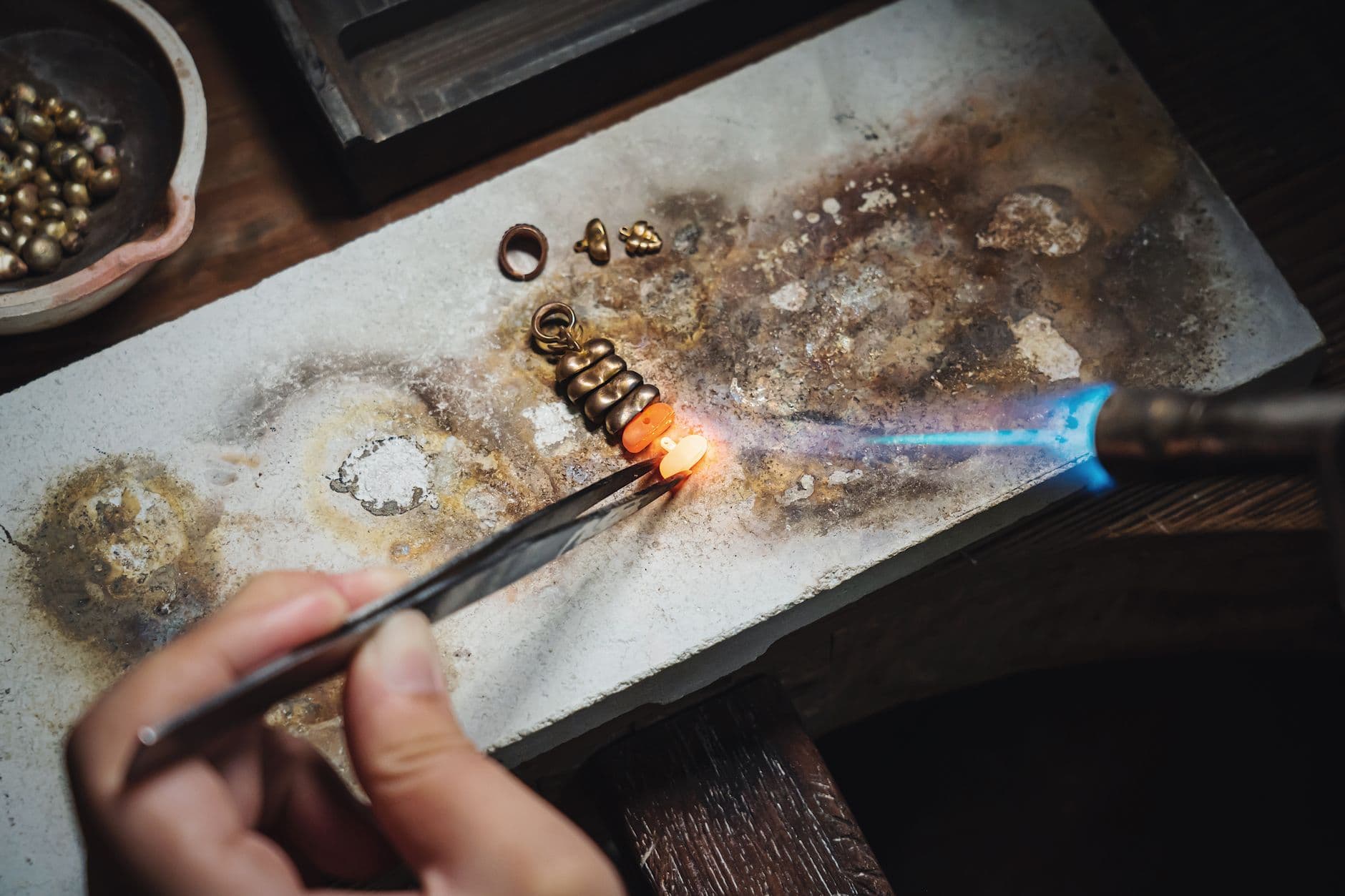
For clients who want the concept translated into something more personal, Harkness offers a bespoke service described as a collaborative journey of artistry and intention. That phrasing fits the brand well, because the pieces already feel narrative-driven. Bespoke jewelry becomes the natural extension of a label that treats imperfection as a language, since no two stories, or stones, should resolve in exactly the same way.
This is where the brand’s idea of meaningful jewelry becomes clearest. The appeal is not simply that the pieces are unusual. It is that they appear to hold a point of view about memory, nature, and the irregular moments that shape a life. Harkness says its designs are inspired by nature and by small, often unseen moments in life, and that sense of attention gives the work emotional weight without slipping into sentimentality.
In the end, Harkness succeeds because it understands that irregularity only looks effortless when it has been rigorously edited. The stones may seem untamed, the silhouettes slightly misaligned, the gaps deliberately open, but the whole language is precise. That is what separates a passing quirk from a lasting design identity, and it is why Harkness makes imperfect forms feel not accidental, but inevitable.
This article was produced by Prism’s automated news system from verified source data, official records, and press releases, then run through automated quality and moderation checks before publishing. The system is built and supervised by the people who set the standards it runs under. Read our full AI policy.
Did this article answer your question?