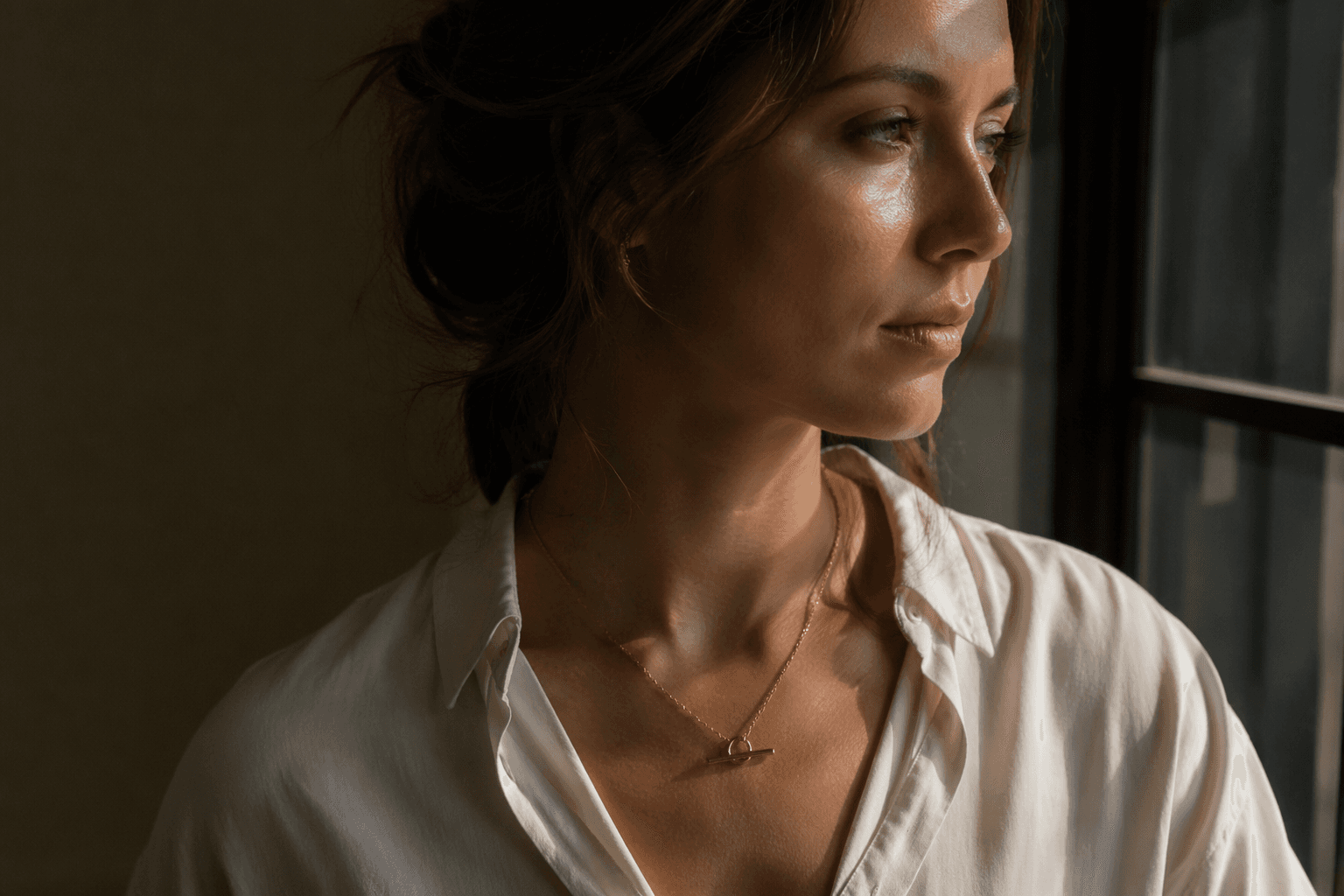
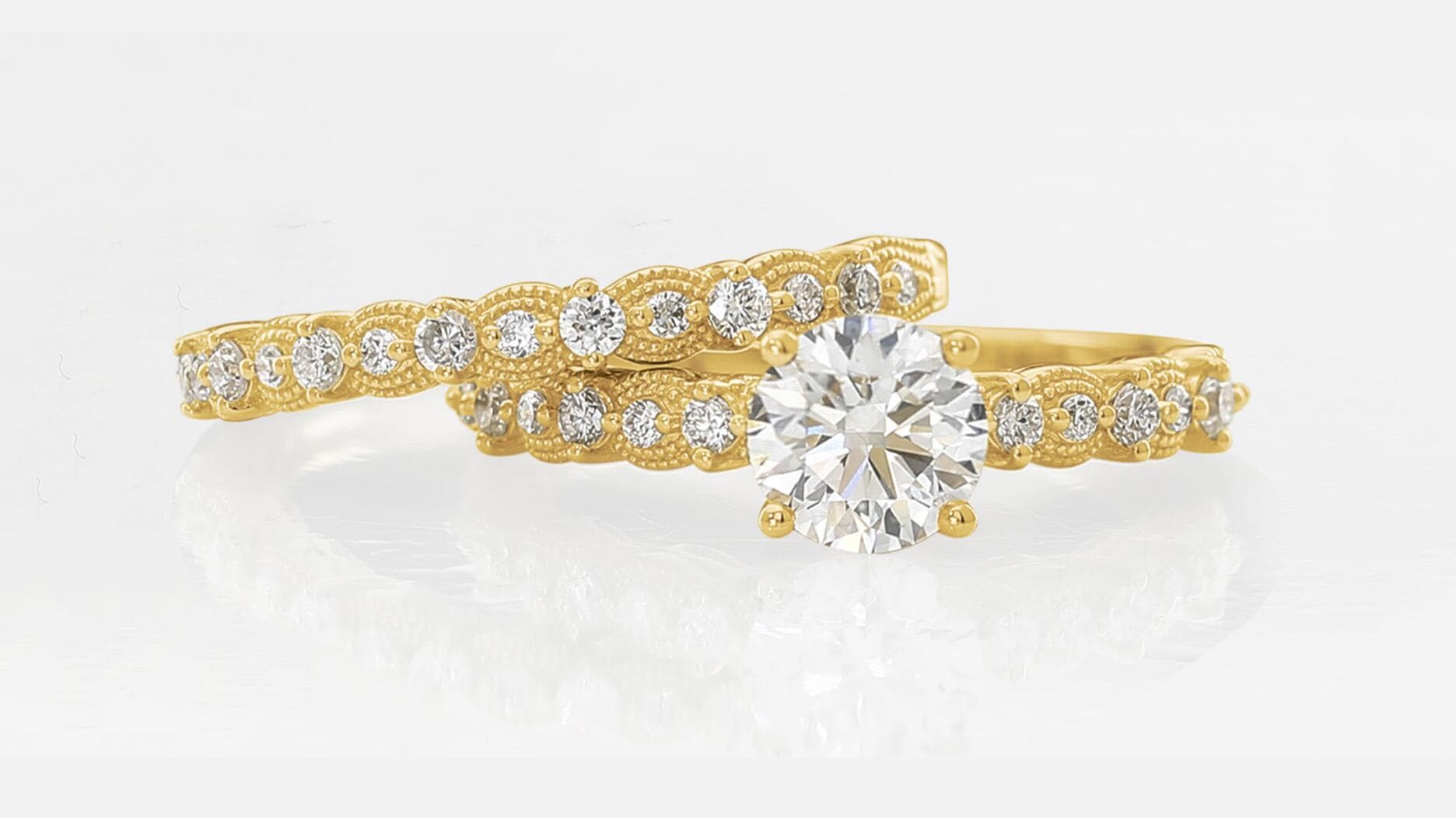
JCK 2026 spotlights meaning and value amid record gold prices
Record gold prices are pushing JCK 2026 toward smarter design: more meaning, more versatility, and more price points, not more metal.

Meaning is becoming a pricing strategy
At JCK 2026, the most important luxury on the floor may be restraint. With gold hovering around $5,000 an ounce for more than a year, designers and retailers are being forced to prove that a jewel can still feel rich when the metal content is tighter, the ticket price is higher, and the buyer is more selective. RX Global senior vice-president Sarin Bachmann has framed the response clearly: the strongest pieces are the ones that combine beauty, refined craftsmanship, and meaning, while spanning a broader spread of price points.
That shift matters because it changes what counts as luxury. Instead of leaning on weight alone, brands are being asked to make every gram do more work, whether through symbolism, versatility, or a sharper command of finish. Mahesh Devji of Devji Aurum put it bluntly in JCK’s preview: when gold sits at historic highs, retailers need design-led storytelling to bridge the gap between price point and value, and jewelry must offer more than a commodity. It needs heritage, and it needs soul.
The market backdrop is not subtle
The pressure behind that shift is visible in the numbers. The World Gold Council reported that global gold jewelry demand by weight fell 23 percent year over year in the first quarter of 2026, even as value rose. That split tells the whole story of the moment: consumers are still willing to spend, but they are buying more carefully, and often buying less metal for the money. The declines were especially sharp in China, where demand fell 32 percent, followed by a 19 percent drop in India and a 23 percent drop across the Middle East.
JCK has also noted that 2025 delivered a record 65 percent return for gold, a run that kept the entire category under strain. When metal prices rise that quickly, the burden shifts from material inflation to design intelligence. The best pieces have to justify themselves through silhouette, construction, and emotion, not just gram weight, and that is precisely where the 2026 conversation is headed.
What designers are doing differently
The clearest design response is a move toward pieces that feel complete without relying on excess gold. That means smaller but more considered forms, cleaner architecture, and jewelry that extracts maximum visual impact from limited material. It also means a stronger reliance on diamonds, color, and versatility, three qualities that JCK says are shaping consumer preferences this year.
That trio is important because each one helps offset the cost pressure in a different way. Diamonds can create brightness and contrast without adding a lot of metal. Color brings personality and immediacy, especially in rings, pendants, and earrings where a gemstone can carry the emotional weight of the piece. Versatility makes a jewel feel like a smarter purchase, especially when a necklace, charm, or ring can move from day to evening or be layered into an existing collection.
What is changing, then, is not just scale but intent. The strongest 2026 jewelry does not try to pretend gold is cheap again. Instead, it makes the price feel considered by putting the emphasis on proportion, wearable function, and details that read as crafted rather than merely cast.
Meaning is moving from slogan to structure
Luxury jewelry has long traded on symbolism, but the current market is asking for a more disciplined version of that idea. A pendant, medallion, or ring has to carry its meaning in the object itself, through engraving, form, stone choice, or the way it sits on the body. That is why the language around “meaningful” jewelry is working now, while vague promises of sentiment are not.
The most convincing pieces do not over-explain themselves. They use a motif, a stone, or a setting to suggest memory, faith, protection, or identity, then let craftsmanship finish the argument. In a market where shoppers are more price-sensitive and more aware of metal value, that kind of clarity becomes commercially useful as well as aesthetically satisfying. A jewel that looks intentional can survive a higher price tag far better than one that simply looks heavy.

Why JCK 2026 is the right stage
JCK returns to The Venetian Expo in Las Vegas, Nevada, from Friday, May 29, to Monday, June 1, 2026. Select areas and events open on May 28, including GEMS, JCK Talks, and the Hong Kong Pavilion. Luxury runs May 27-28 before opening to JCK attendees on May 29, which makes the week feel less like a single trade show than a sequence of increasingly focused conversations about where fine jewelry is headed.
That staging matters because the fair is not only about what is beautiful, but about what is viable. The early-access format gives Luxury a head start for the highest-end buying, while JCK’s broader floor brings the full spectrum of pricing and product into view. Registration opened on January 13, 2026, and by the time the doors open in Las Vegas, the industry’s central question will be obvious: how do you preserve the emotional charge of gold jewelry when the material itself has become so expensive?
The new luxury code
The answer, at least in 2026, is not more metal. It is more thought. Designers who succeed in this environment will be the ones who make a piece feel substantial through refinement, not bulk, and who give buyers a reason to choose one jewel over another beyond weight or karat count.
That is the editorial story at JCK 2026: a market in which meaning has become a form of value engineering, and the most persuasive jewels are the ones that prove beauty can still be exacting, expressive, and commercially astute under record gold prices.
This article was produced by Prism’s automated news system from verified source data, official records, and press releases, then run through automated quality and moderation checks before publishing. The system is built and supervised by the people who set the standards it runs under. Read our full AI policy.
Did this article answer your question?