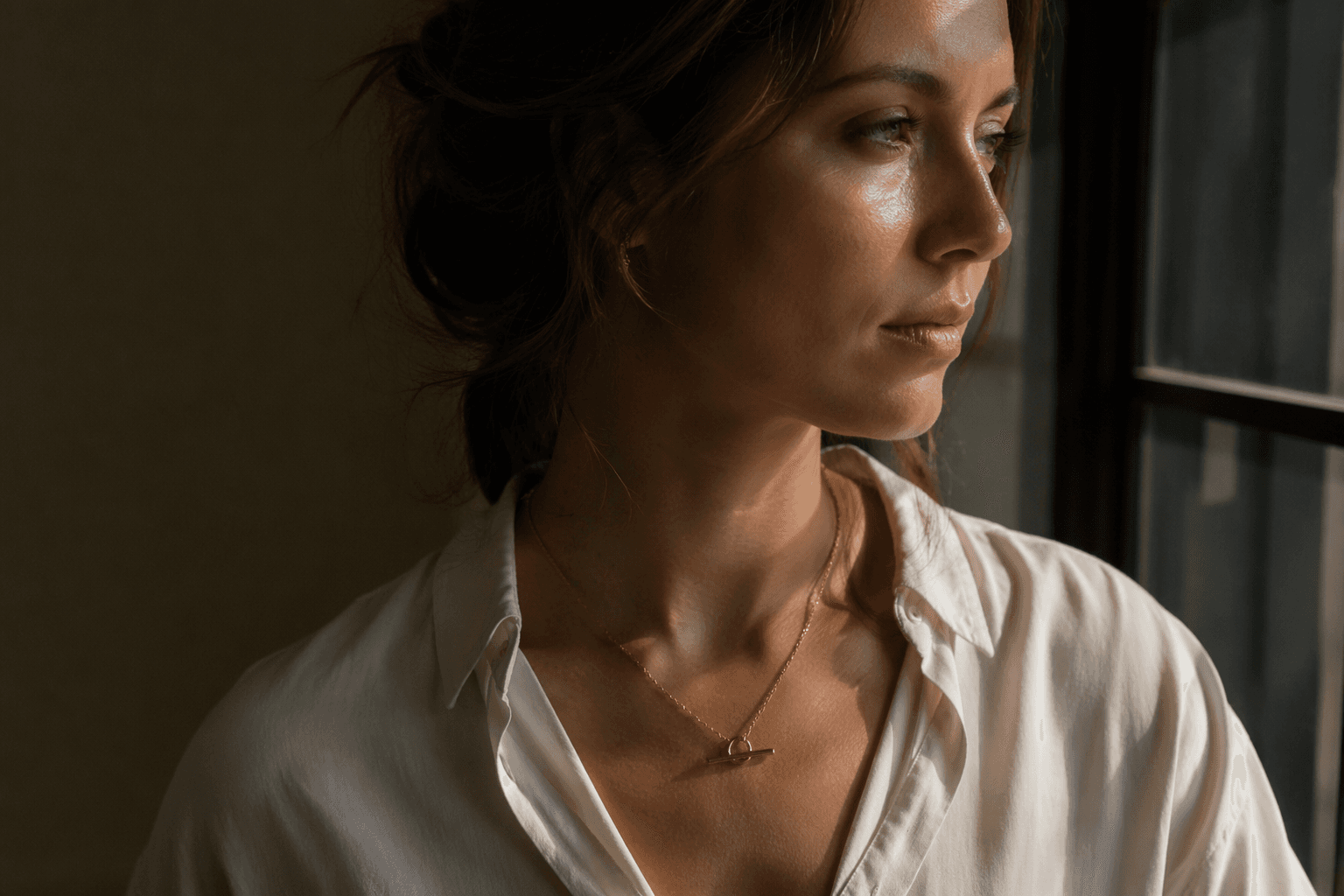
Lauren Harwell Godfrey turns African Diaspora heritage into modern heirlooms
Lauren Harwell Godfrey turns ancient textile codes, African Diaspora patterning, and 18-karat gold into heirlooms that feel personal, polished, and deeply intentional.
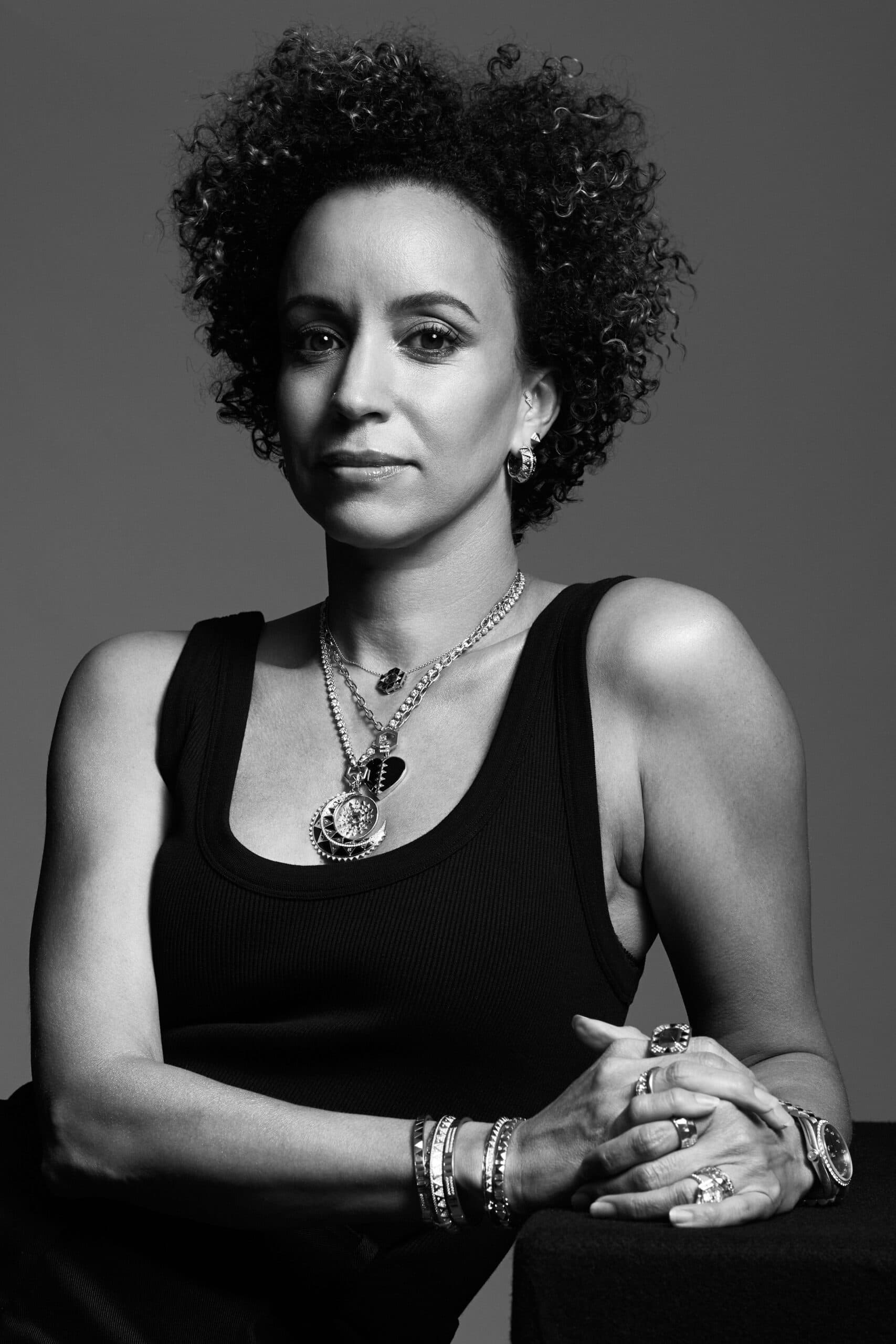
A Lauren Harwell Godfrey pendant or ring is the kind of jewel that can anchor a milestone dinner, a wedding look, or an everyday uniform, because its power is not just in carat weight. It is in the pattern language: blocks, color, and symbolism drawn from ancient textiles, African Diaspora heritage, and the designer’s own story.
Heritage as design language
Harwell Godfrey’s work is built around a clear visual code. The brand says its aesthetic roots lie in ancient textiles and ethnic patterns, while the CFDA describes the line as inspired by the shapes, colors, and patterns distinctive to her ancestors in the African Diaspora. That matters because it keeps the jewelry from drifting into vague “inspired by culture” territory; the references are specific, and they are structural, not ornamental.
The recurring motifs read like translated fabric. References to block printing and weaving bring a sense of repetition, rhythm, and handwork that feels closer to cloth than to conventional fine jewelry. In practical terms, that gives the pieces a graphic confidence, the sort of balance that makes a gold ring or pendant feel both expressive and easy to wear.
Color is central to the language too. Rather than using stones as decoration alone, the line treats color as meaning, a way to turn biography and cultural memory into something visible on the body. That is what makes the jewelry feel like a wearable archive: not literal, not nostalgic, but built from the logic of inherited pattern.
Materials that carry the message
The materials are as deliberate as the symbolism. Harwell Godfrey says the jewelry is handcrafted in 18-karat gold with precious gemstones, distinctive inlay, and ethically sourced diamonds. That combination places the line squarely in fine-jewelry territory, where durability and finish matter as much as design, and where the value is meant to survive regular wear as well as special occasions.
The inlay is especially important to the brand’s visual identity. It gives the surfaces a layered, almost textile-like quality, reinforcing the idea that these pieces are not just decorated objects but compositions. Inlay also sharpens the contrast between metal and color, which is why the jewelry can feel bold without becoming heavy.
The ethical-diamond language is meaningful, but it is also broad. For readers who care about provenance, that phrasing signals a sourcing intention, yet it does not by itself tell the full chain behind the stones. The strongest part of the brand’s materials story is the specificity of the construction and the gold content; the sustainability claim is most convincing when it is read alongside those concrete details, not instead of them.
Intention, ritual, and the idea of healing energy
Harwell Godfrey also frames its gemstones through intention and healing energy, choosing stones to enhance the wearer’s experience. That moves the work beyond pure visual pleasure and into the realm of personal ritual, where a jewel can stand for protection, memory, or affirmation as much as beauty. It is a familiar impulse in meaningful jewelry, but here it lands with particular force because it is tied to the designer’s own heritage narrative.
This spiritual layer is part of what gives the line its emotional pull. A gem’s color, cut, and placement are doing two jobs at once: they are shaping the look of the piece and also shaping the feeling of wearing it. For collectors, that dual purpose can make a jewel feel more complete, as if the object has both an exterior design and an interior logic.
Still, the most compelling thing about the brand’s intention-driven language is that it does not replace craftsmanship. The jewelry is not presented as talismanic instead of finely made. It is presented as finely made jewelry that carries talismanic meaning, which is a much stronger proposition.
From advertising to fine jewelry
Lauren Harwell Godfrey did not arrive in jewelry from nowhere. She spent about 15 years in advertising before moving into design, working as a creative director and art director with clients such as Adidas, Levi’s, and Ray-Ban. That background shows in the clarity of the brand’s visual language: the work knows how to make an immediate impression, but it also has enough discipline to hold up under close looking.
She began by making jewelry for herself and friends, which gives the origin story a useful intimacy. The line launched in 2017, and that path from private experiment to public brand explains why the pieces still feel personal rather than industrial. They were not born from trend forecasting; they grew out of a designer testing what she wanted to wear and then expanding that vocabulary outward.
There is a difference between a jewelry brand that uses story as marketing and one that builds from lived references. Harwell Godfrey belongs to the second group. The design language is not an added layer on top of the product. It is the product.
Why the industry noticed
Recognition followed the clarity of the work. In 2023, Robb Report named Harwell Godfrey Best Whimsical Jewelry in its Best of the Best issue, and the brand was also described as a 2022 CFDA/Vogue Fashion Fund finalist. Those are not interchangeable accolades. Together, they place the label in the conversation between fashion and fine jewelry, where originality, craftsmanship, and brand voice are all under scrutiny.
“Whimsical” can be a lazy word in jewelry, but in this case it points to a real strength: the pieces feel imaginative without losing their structure. The color is bold, the symbolism is legible, and the surfaces are carefully built. That combination gives the brand the kind of authority that comes from having a point of view and the discipline to execute it.
What makes Harwell Godfrey resonate is the way it turns African Diaspora heritage, ancient textile logic, and California-made fine jewelry into modern heirlooms. The result is a collection that can be worn now, collected with confidence, and handed down later with its meaning intact.
This article was produced by Prism’s automated news system from verified source data, official records, and press releases, then run through automated quality and moderation checks before publishing. The system is built and supervised by the people who set the standards it runs under. Read our full AI policy.
Did this article answer your question?