L’ÉCOLE Paris mounts major Daniel Brush exhibition, featuring 75 works
L’ÉCOLE’s Paris show will bring 75-plus Brush works out of his Flatiron loft, revealing how he turned light, line and metal into intimate sculpture.
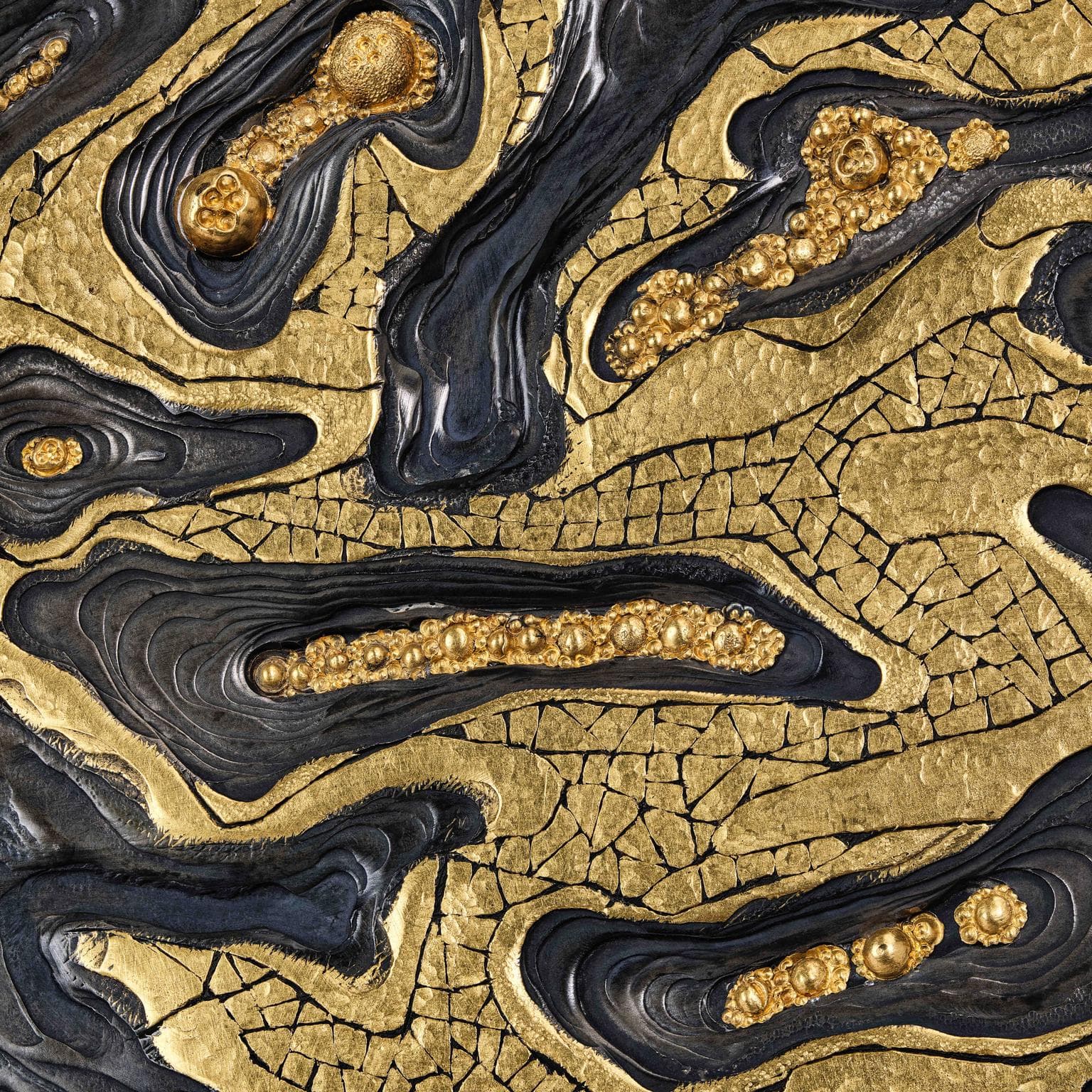
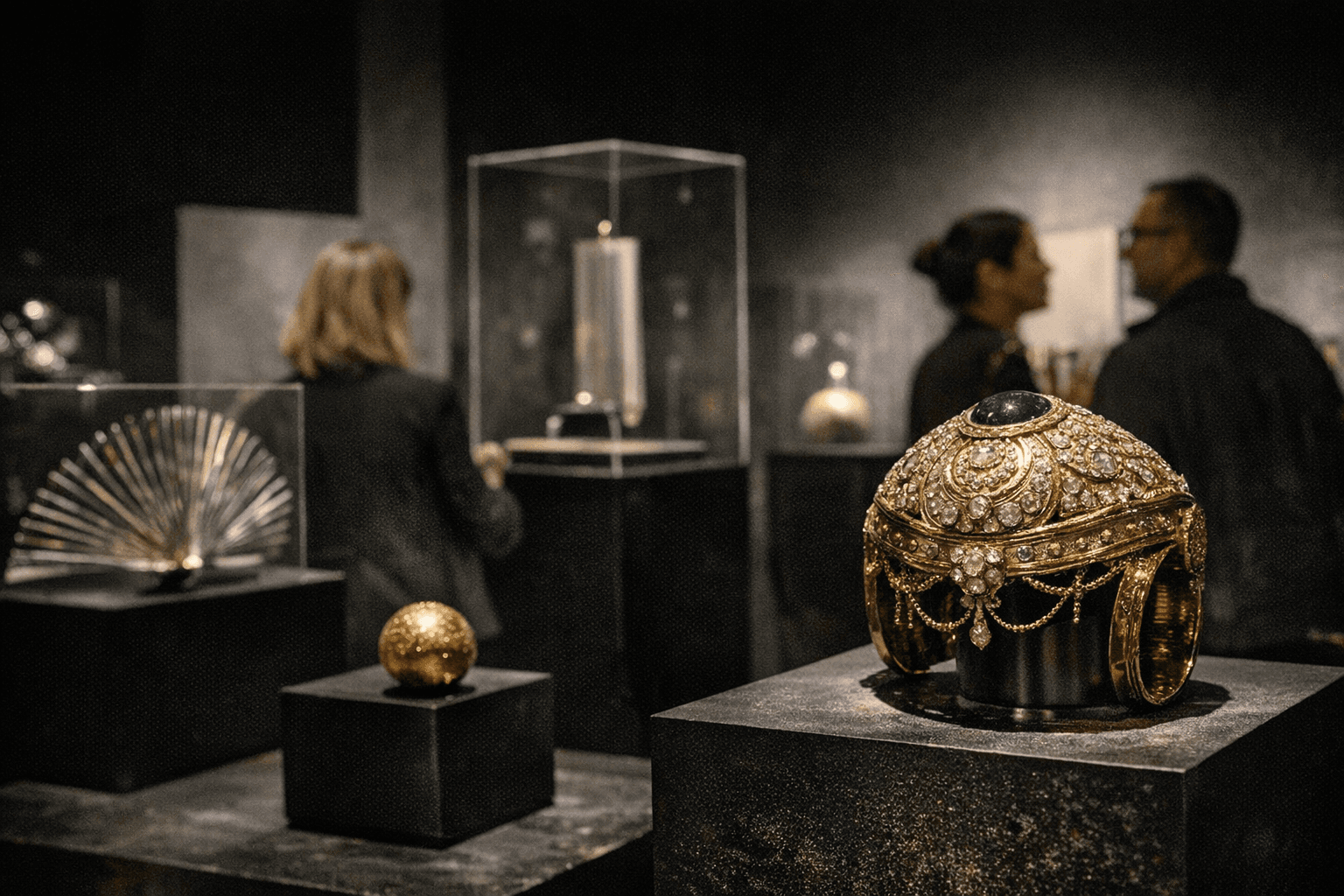
Daniel Brush built a career in near-private, and that is exactly why his Paris unveiling matters. L’ÉCOLE School of Jewelry Arts will bring together more than 75 jewels, paintings and sculptures in a rare survey of the American artist, whose work moved so fluidly between adornment, metal art and sculpture that it resisted easy categorization.
Titled Daniel Brush, the Art of Light and Line, the exhibition will run from 8 June 2026 to 4 October 2026 in Paris. Many of the works are leaving Brush’s New York studio for the first time, giving viewers a direct look at the rigor that made his pieces so prized by collectors and museums, yet so elusive to the broader public. Brush died in Manhattan on 26 November 2022 at age 75, after more than five decades of making art.
Born in Cleveland in 1947, Brush studied at Carnegie Institute of Technology in Pittsburgh and later earned an MFA from the University of Southern California. He moved to New York City in 1977 and worked from a Flatiron District loft that served as both home and studio, a setting that helped define the intimate scale and intense concentration of his practice. Christie’s has described the loft as the place where Brush’s New York work was shown in a 2016 interview, reinforcing how closely the space and the work were bound together.
Brush’s reputation was built less through commerce than through conviction. He never had a dealer and often sold only to clients he knew personally, a path that makes his institutional recognition all the more striking. The Metropolitan Museum of Art, the Smithsonian American Art Museum and the Victoria and Albert Museum all hold his work, and L’ÉCOLE and Van Cleef & Arpels have already introduced his vision in Hong Kong in 2024 and Tokyo in 2024.
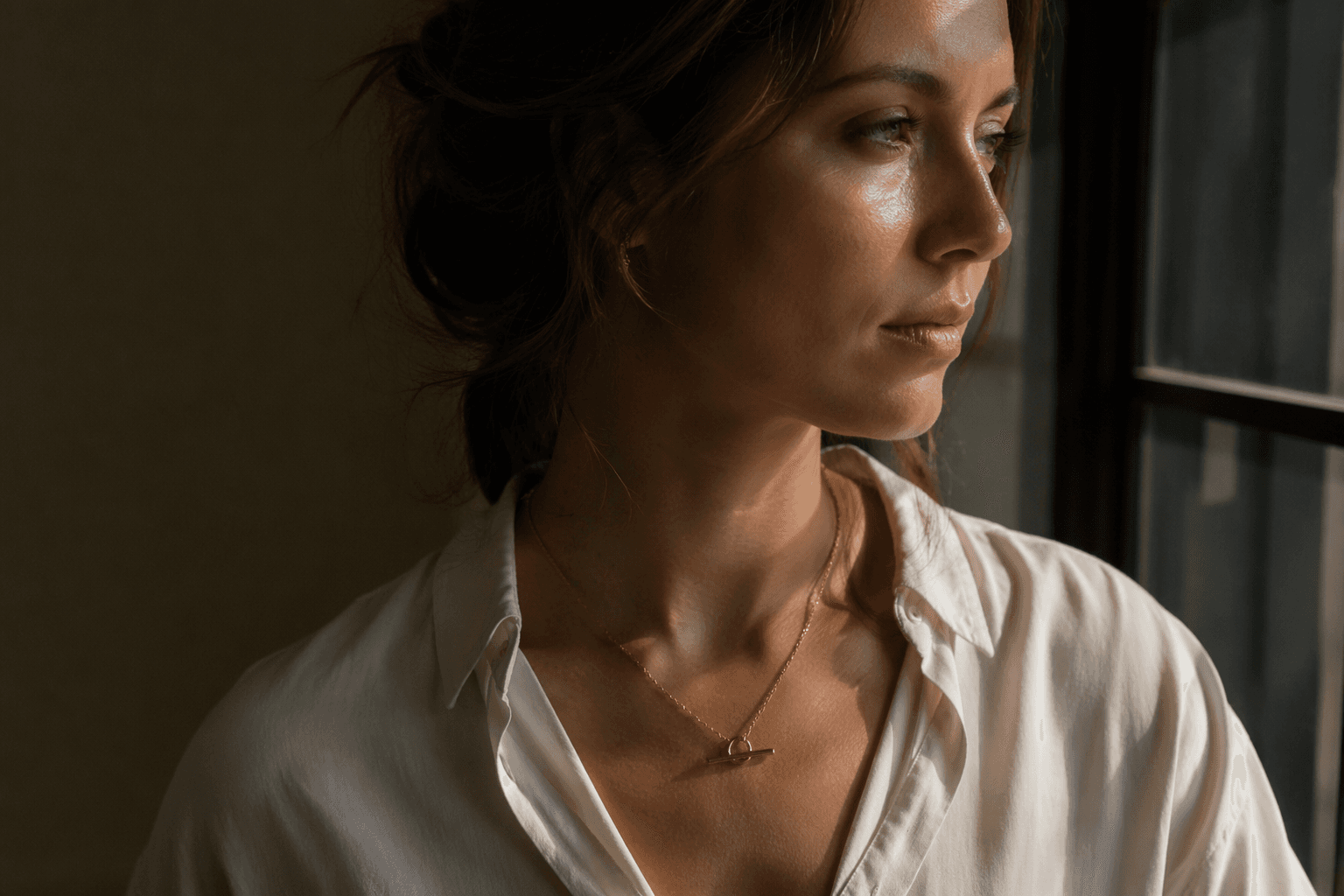
The Paris show also points to the emotional core of Brush’s jewelry. He met his wife, Olivia Brush, while studying art, and JCK has reported that he made her wedding ring after buying an ounce of gold for $35. That small, almost disarming detail illuminates the larger story of his practice: Brush treated precious material not as display, but as a medium for memory, affection and exacting craftsmanship.
Seen through that lens, the exhibition is not just a posthumous tribute. It is a reconsideration of an artist who made line feel sculptural, made light feel tactile, and gave jewelry the seriousness of fine art.
This article was produced by Prism’s automated news system from verified source data, official records, and press releases, then run through automated quality and moderation checks before publishing. The system is built and supervised by the people who set the standards it runs under. Read our full AI policy.
Did this article answer your question?