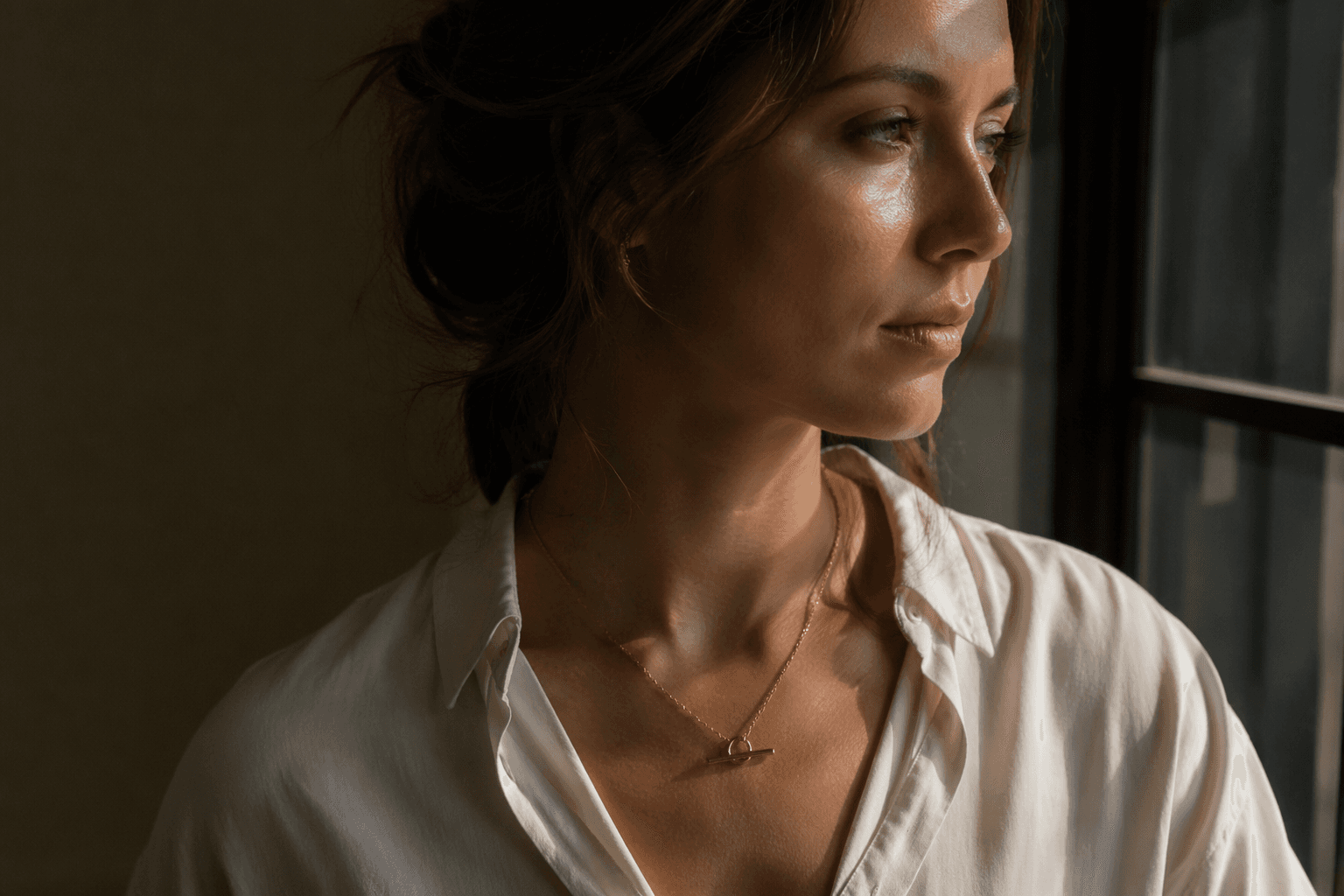
Necklace Layering, Brooches, and Silk Scarves Define Spring 2026 Jewelry Shift
Spring 2026 puts the necklace, brooch and scarf at the center of dressing, turning the neckline into the most personal place to wear jewelry.
Why the neckline suddenly feels like the most important place in the room
A single brooch at the throat, a layered necklace over an open collar, or a silk scarf knotted just so can do what a logo rarely manages: make an outfit feel like it belongs to someone. Across New York, London, Milan and Paris, accessories have moved from supporting cast to main character, and the mood is strikingly disciplined, not decorative for decoration’s sake. Buyers are calling Paris a “reset,” one shaped by design, craftsmanship and creativity, even as economic headwinds linger.
That shift matters because it changes how you shop. WWD says accessories remain one of luxury’s strongest engines because they offer a more accessible entry point into a brand universe, while still carrying the material richness and identity shoppers want. The spring 2026 conversation is less about novelty and more about pieces with personality, longevity, craftsmanship, material quality, sustainability and provenance. In other words, the best necklace or pin is not just pretty, it earns its place.
Layered necklaces and collar-framing styling are setting the tone
Who What Wear’s spring 2026 neck-accessories edit places five categories front and center: statement necklaces, the silk scarf, brooches, embellished collars and neck ties. That structure tells you everything about the season’s priorities. Jewelry is no longer an afterthought at the end of dressing; it is the styling moment itself, especially when it sits against skin, shirt cotton or a sharply cut lapel.
Celine’s spring/summer 2026 collection offered one of the clearest examples, pairing layered necklaces with collar-framing styling and a pussy-bow shirt. The effect was not fussy, it was intentional. If you own a meaningful pendant, a chain inherited from a relative, or a necklace that has been languishing in a drawer because it feels too formal, wear it where a collar can set it off: over a shirt opened one or two buttons, against a crisp white blouse, or above a knit that leaves the neck bare enough for the metal to speak.
The strongest looks this season share one quality: they leave space. A collar that opens slightly, a shirt that falls cleanly, a necklace that sits with purpose rather than crowding the neckline. That restraint is what makes the jewelry visible.
Brooches are back because they have always been more than decoration
Brooches are the season’s most compelling comeback because they are not merely decorative objects, they are historical ones. Fashion coverage traces them back to the Bronze Age, when pins and clasps marked status and secured clothing, and later notes their use to signal class, religion and hidden messages. Victorian “love brooches” made them intimate tokens, while suffragette-era pins turned them into political symbols. Few accessories can carry that much memory in such a small surface area.
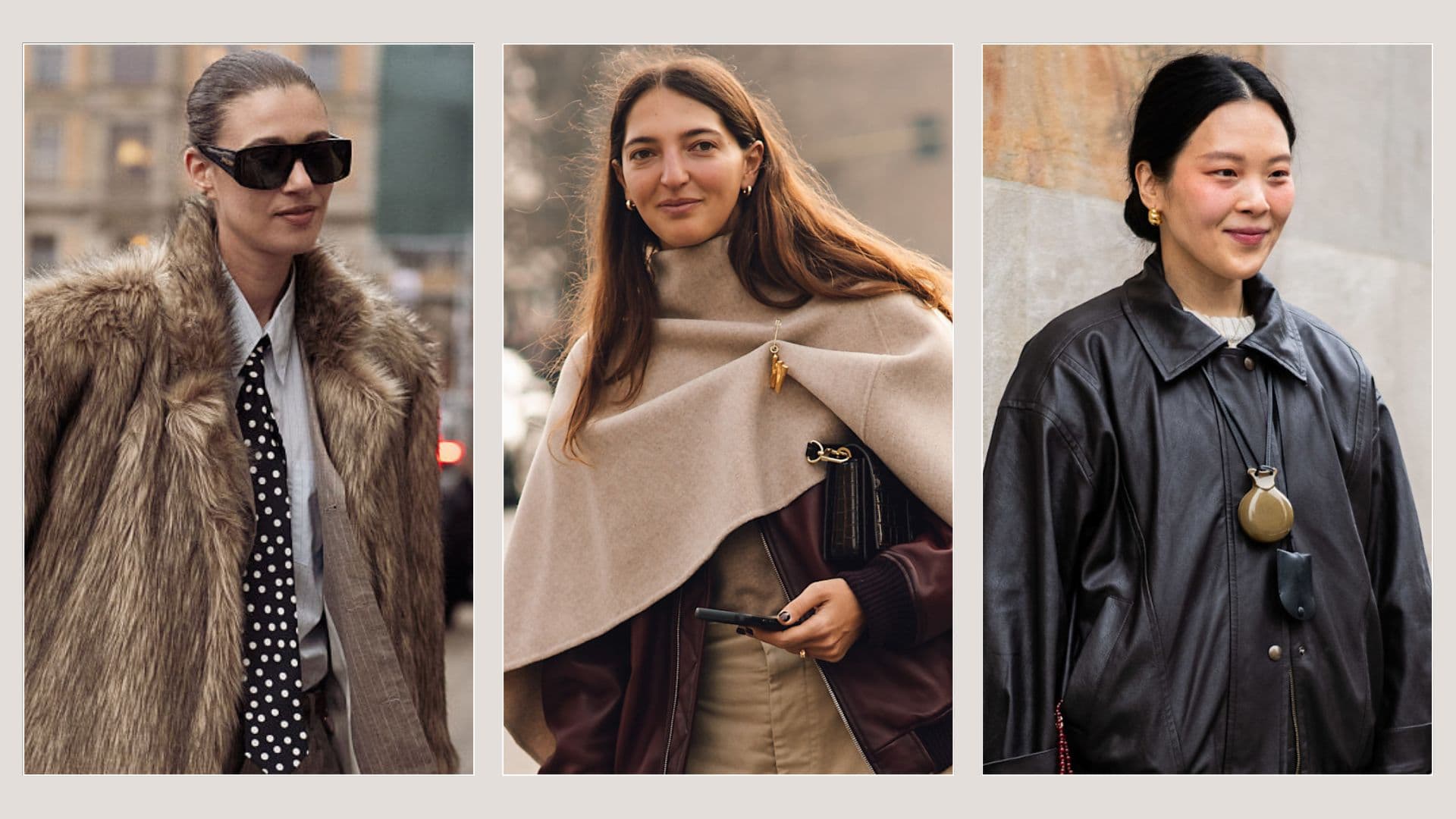
That history is exactly why the modern brooch feels fresh again. In street style and on the runway, brooches have been appearing on blazers, bomber jackets, hats, scarves and even in place of neckties. FASHION Magazine highlighted that shift in spring 2026 street style, where a pin on a sharply tailored jacket or outerwear piece can stand in for a necklace entirely. The result is less precious than a brooch can sound, and more persuasive, because it gives a familiar garment a second life.
The consumer signal is strong, too. A 2026 search-data report cited by Prism News found searches for “brooch aesthetic” rose by more than 110 percent. That is not just editorial enthusiasm. It suggests people want objects with stories, not just sparkle.
- At the shoulder of a blazer, where it catches the light without fighting a necklace.
- On the knot of a silk scarf, where it gives the fabric weight and intention.
- On a bomber jacket, where it softens the utilitarian line.
- At the throat of a high-neck top, where it can replace a necklace altogether.
For real life, that means an inherited pin can be worn in all the places that feel modern now:
Silk scarves are the season’s easiest multi-tasker
If necklaces are the anchor and brooches are the conversation starter, silk scarves are the season’s most practical luxury. Marie Claire UK spotted them at Hermès, Tod’s, Calvin Klein and Ferragamo for spring/summer 2026, and their appeal is obvious: one piece can move from neck to handbag to waist without losing its elegance. In warmer weather, that flexibility is especially valuable, and for capsule wardrobes it is almost unbeatable.
The new scarf styling is deliberately fluid. You can wear it at the neck for a polished finish, tie it around a handbag handle for a more casual read, knot it at the waist over trousers or a dress, or use it as headwear. The more directional versions go further, turning the scarf into a halter top or a sarong-style skirt. That range is why the silk square feels so current now: it brings softness to tailoring, color to monochrome dressing and movement to otherwise simple shapes.
If you are styling a meaningful scarf, think in terms of contrast. A printed silk square looks especially strong against a plain white shirt or a black coat. A more delicate pattern can sit beside gold jewelry without competing with it, while a bolder motif may work best on its own, with a single brooch or necklace left to do the talking.
The tie is back, but in a leaner, sharper form
The neck tie is returning too, though not in its old corporate mode. Who What Wear points to Saint Laurent and Stella McCartney as runway endorsements for a minimal, sharp tie worn low or undone, often with tailored separates, sheer blouses, slip dresses or precise outerwear. The point is not rigidity. It is attitude.
This version of the tie works because it creates tension between polish and ease. A low knot under a blazer can make tailoring feel newly relaxed. Left slightly undone over a sheer blouse, it changes the tone from formal to knowingly undone. Paired with a slip dress, it gives eveningwear a harder edge. In a season that favors accessories with personality, the tie offers one of the clearest ways to make a classic silhouette feel immediate again.
How to wear what already means something to you
The smartest spring 2026 styling choices are not necessarily the newest. They are the ones that make an old piece feel newly legible. A brooch inherited from a grandmother, a necklace bought to mark a milestone, a scarf tied every winter for years, these pieces are suddenly aligned with the direction of the season because they already carry meaning.
The best rule is simple: let the neckline frame the story. Use one standout object, then give it room. Pair a layered necklace with a clean collar. Put a brooch where the eye naturally lands. Wrap silk around the neck when the outfit needs softness, or around the waist when the silhouette needs movement. Choose a tie when the look calls for a little tension.
Spring 2026 is not asking jewelry to shout. It is asking it to speak clearly, and the neckline is where that voice sounds most convincing.
This article was produced by Prism’s automated news system from verified source data, official records, and press releases, then run through automated quality and moderation checks before publishing. The system is built and supervised by the people who set the standards it runs under. Read our full AI policy.
Did this article answer your question?