NYPD warns seniors about jewelry-swap scams targeting older adults
Thieves used fake jewelry and close contact to strip older New Yorkers of real pieces, in 11 incidents that police said topped $900,000 in losses.
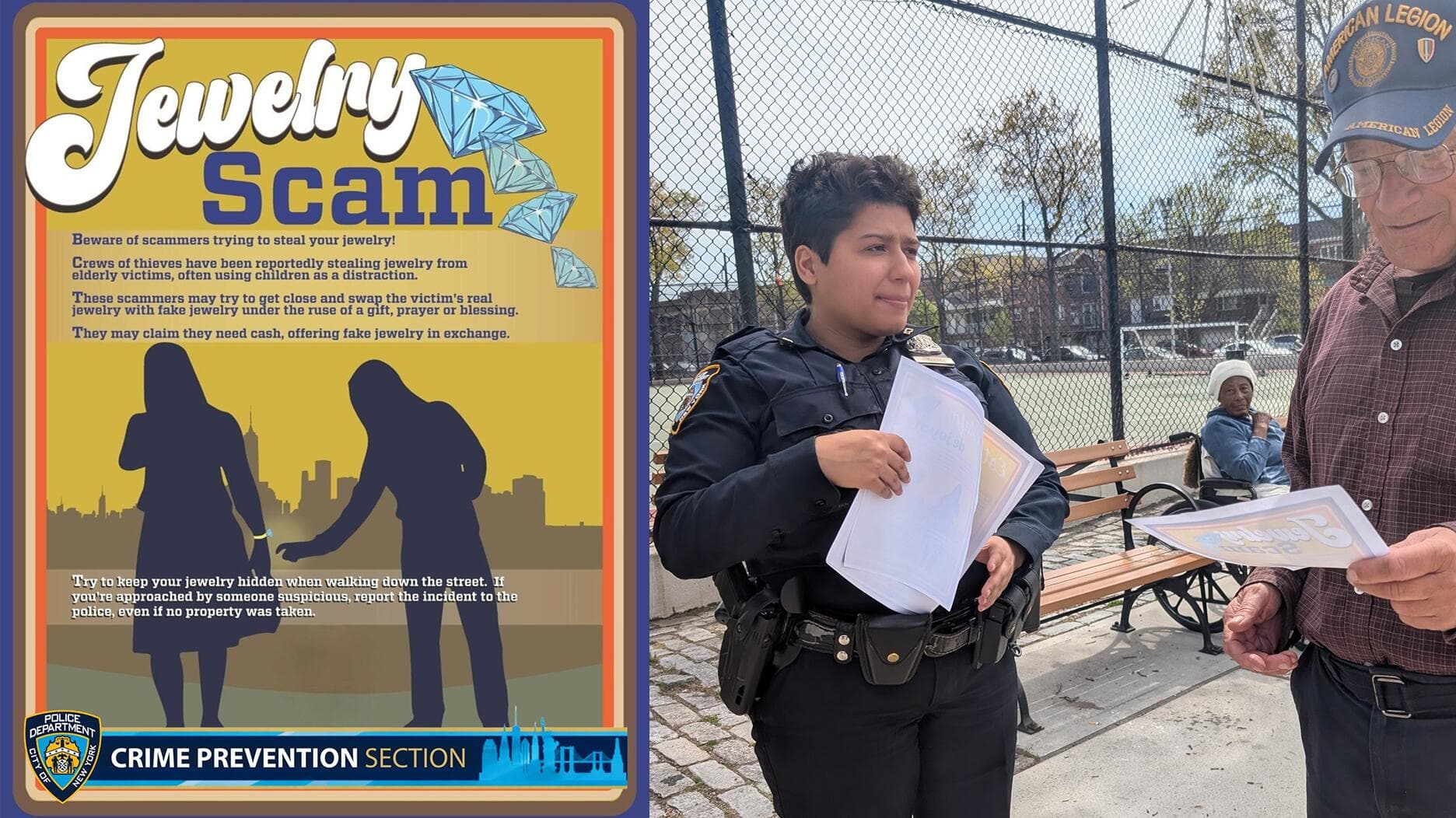
A necklace worn for decades can vanish in seconds when a stranger turns a blessing, a cleaning or a friendly touch into a swap. The New York City Police Department warned older adults about a jewelry scam that relies on distraction and closeness, then replaces real pieces with fakes while stealing the originals.
Police said the pattern showed up in Brooklyn and Queens in 11 incidents between February and March 2026, with more than $900,000 in jewelry stolen across the cases. In one Queens incident, a 76-year-old woman lost a necklace valued at $3,000 after a 22-year-old woman identified as Stefania Alexandru of Romania approached her on March 13, 2026, according to local reports. NYPD Lt. Kevin Kelly, the department’s chief of crime control strategies, described the scheme publicly and warned people not to let strangers get too close or put their arms around them.

The mechanics are brazenly simple and all the more effective because they exploit trust. CBS New York described the tactic as a trick involving cleanings, blessings and the replacement of real jewelry with fake pieces. The National Center on Elder Abuse says financial elder abuse and identity theft often begin in public places, where a distraction or a seemingly helpful stranger creates the opening. For heirloom pieces, that vulnerability is exactly the point: a gold chain, engagement ring or charm bracelet can be taken without force, and the owner may not realize the theft until the stranger is gone.
The NYPD is urging seniors to keep visible jewelry hidden and to avoid close contact with strangers. That advice extends to relatives and caregivers, who can help by limiting when sentimental pieces are worn, especially in crowded sidewalks, transit stations, stores and other places where strangers can brush close enough to touch a neckline or wrist. Older adults who have already been targeted are being directed to NYC Aging’s Aging Connect line at 212-AGING-NYC, or 212-244-6469, for connection to the agency’s Crime Prevention and Support Services program.
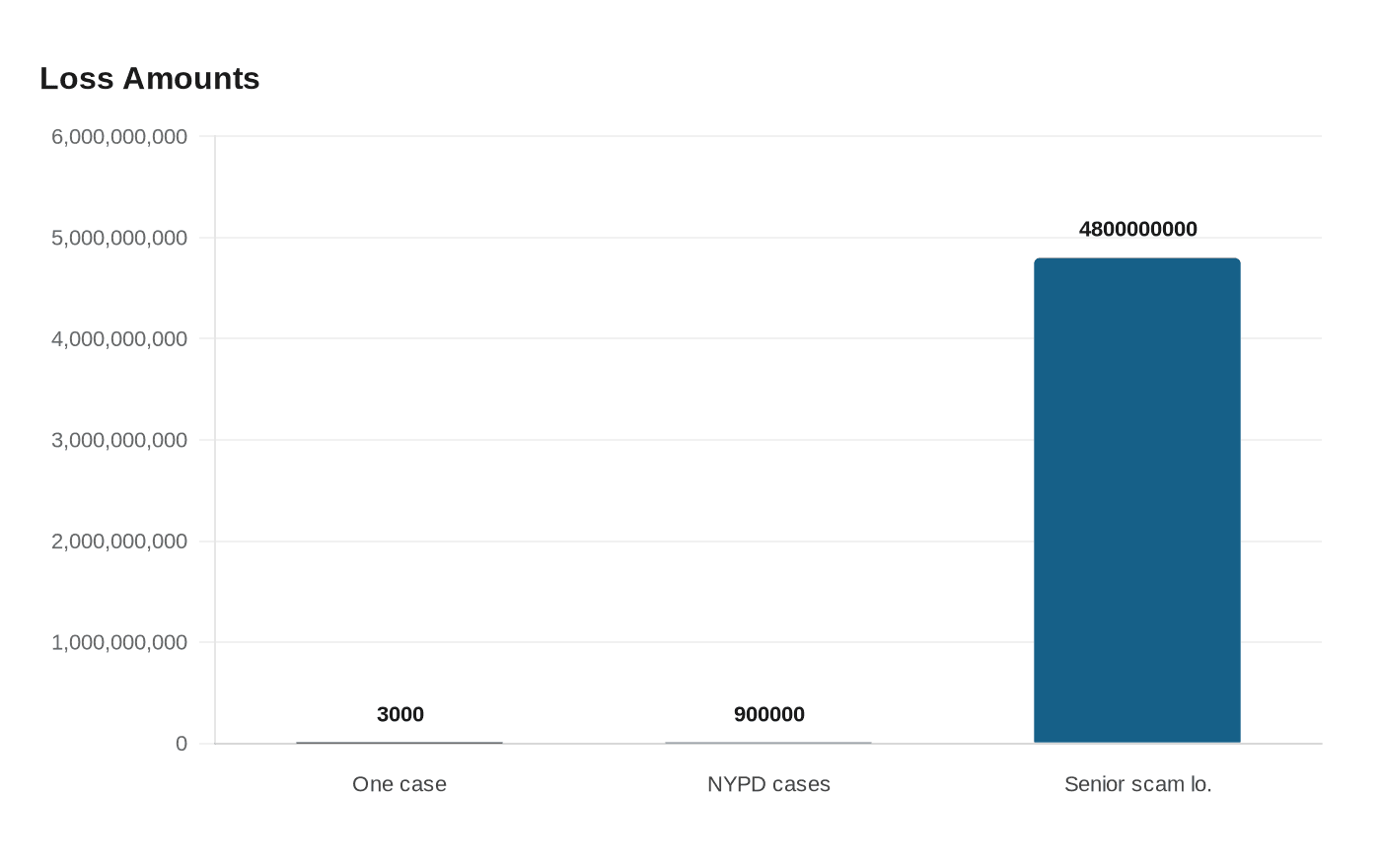
The warning lands inside a larger national pattern. A Senate Aging Committee document cited FBI figures showing Americans over 60 lost $4.8 billion to scams and fraud in 2024, a number that gives the jewelry-swapping cases a grim clarity. These are not random thefts so much as highly tailored robberies, aimed at the most personal objects people wear, and at the trust built around them.
This article was produced by Prism’s automated news system from verified source data, official records, and press releases, then run through automated quality and moderation checks before publishing. The system is built and supervised by the people who set the standards it runs under. Read our full AI policy.
Did this article answer your question?