Pandora adds carbon-footprint labels to lab-grown diamonds, shifts to design-led appeal
Pandora is putting carbon numbers on lab-grown diamonds, turning a ring into a climate comparison as it leans harder on design and transparency.
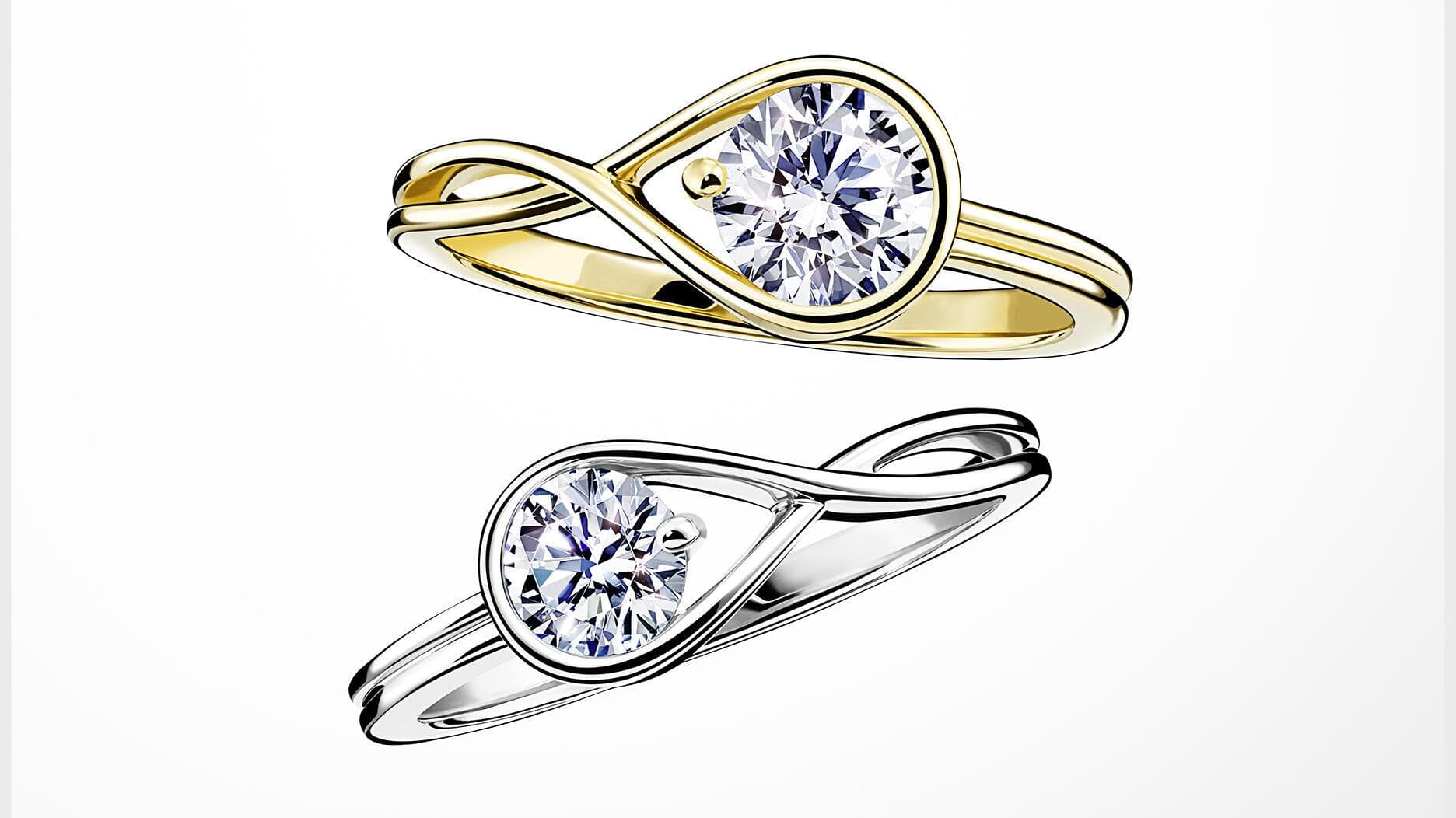
Pandora has started labeling the carbon footprint of its lab-grown diamonds, a move that reframes a symbolic purchase in a more exacting way: not just what the stone says, but what it costs the planet in measured terms. The Copenhagen, Denmark-based jeweler said the footprint of its lab-grown diamonds is around 90 percent lower than mined alternatives, and it is pairing that claim with a new “5th C” that adds carbon alongside cut, color, clarity and carat.
For a buyer weighing an engagement ring or milestone gift, the label answers one question that has often stayed vague in the lab-grown category: how much climate impact is attached to the piece on the finger. Pandora says its lab-grown diamonds are grown, cut and polished using 100 percent renewable electricity, and set in jewelry made from 100 percent recycled silver and gold. A flagship 1-carat gold ring in the line carries a carbon footprint of 11.4 kilograms of CO2e, a figure Pandora compares to a pair of jeans.
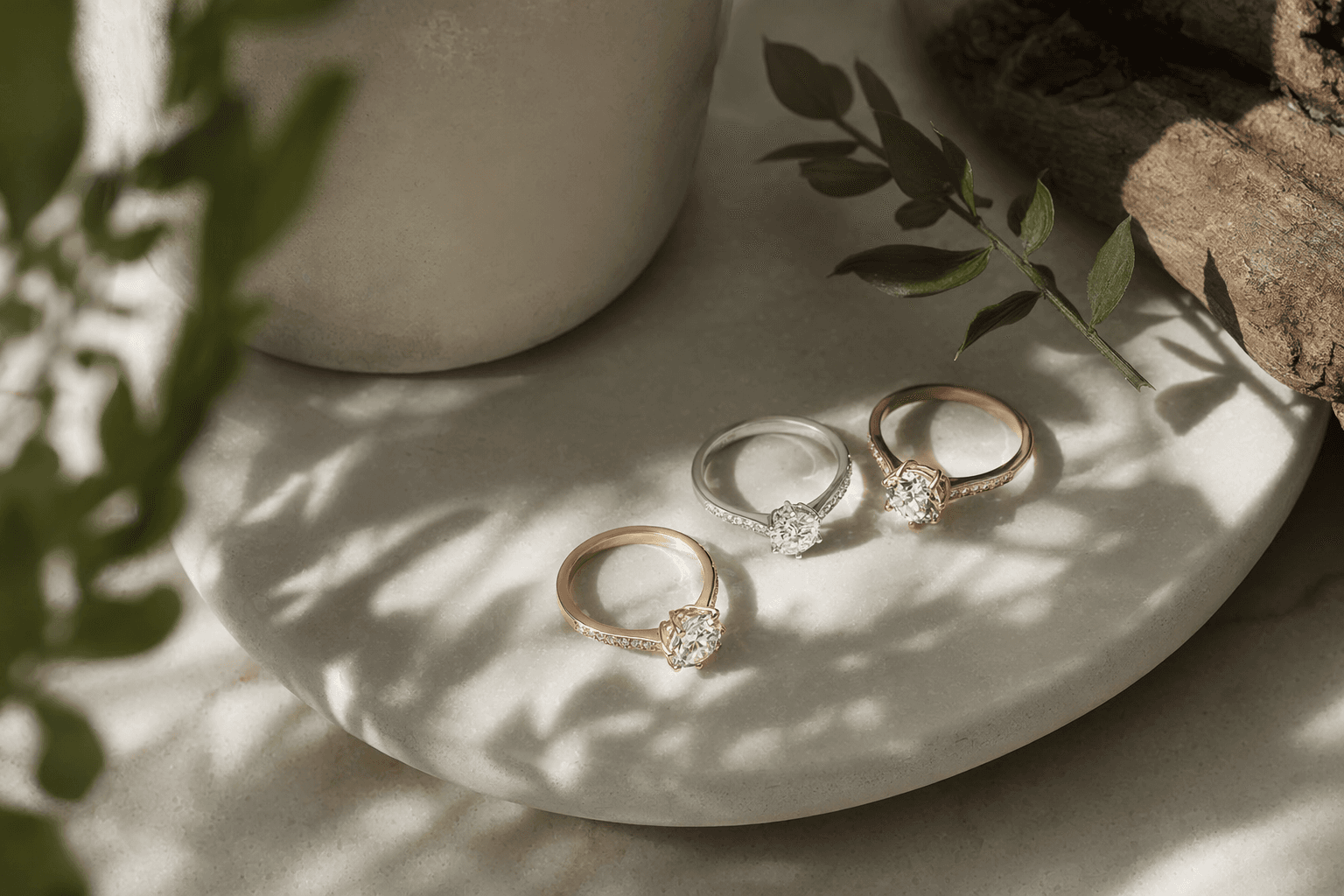
That kind of comparison is useful because it gives the customer a shared yardstick, the sort that can cut through the soft language of “sustainable” and “ethical.” It also leaves important questions open. The carbon label does not speak to style, setting quality, or the emotional logic of why one ring feels right for a proposal and another does not. It does not measure the full social and material story of jewelry either. In that sense, the label clarifies one part of the decision and leaves the rest to craftsmanship, taste and trust.
Pandora first entered lab-grown diamonds in 2021 with Pandora Brilliance in the United Kingdom, then expanded to the United States and Canada on August 25, 2022. The company has long framed the category as a way to democratize diamonds and make them more accessible, and its latest move pushes that message into sharper, more numerical territory. Pandora says its lab-grown diamonds have carried a footprint of about 5 percent of a similar-sized mined diamond since August 2022, and that if all diamonds were mined with the same low-carbon footprint, more than 6 million tons of CO2e could be saved each year.
The timing is notable. Pandora’s announcement landed alongside its first-quarter results, as the company navigated weaker consumer sentiment in North America, especially among lower- and middle-income shoppers. In that context, the label is more than a sustainability note. It is an attempt to make lab-grown diamonds feel both more transparent and more design-led, a recalibration that acknowledges the modern buyer wants meaning, but also wants the math.
Know something we missed? Have a correction or additional information?
Submit a Tip