Platinum’s price edge sparks white-metal comeback in fine jewelry
Platinum’s price advantage is nudging white metals back into the center of fine jewelry, from bridal to everyday chains and rings.
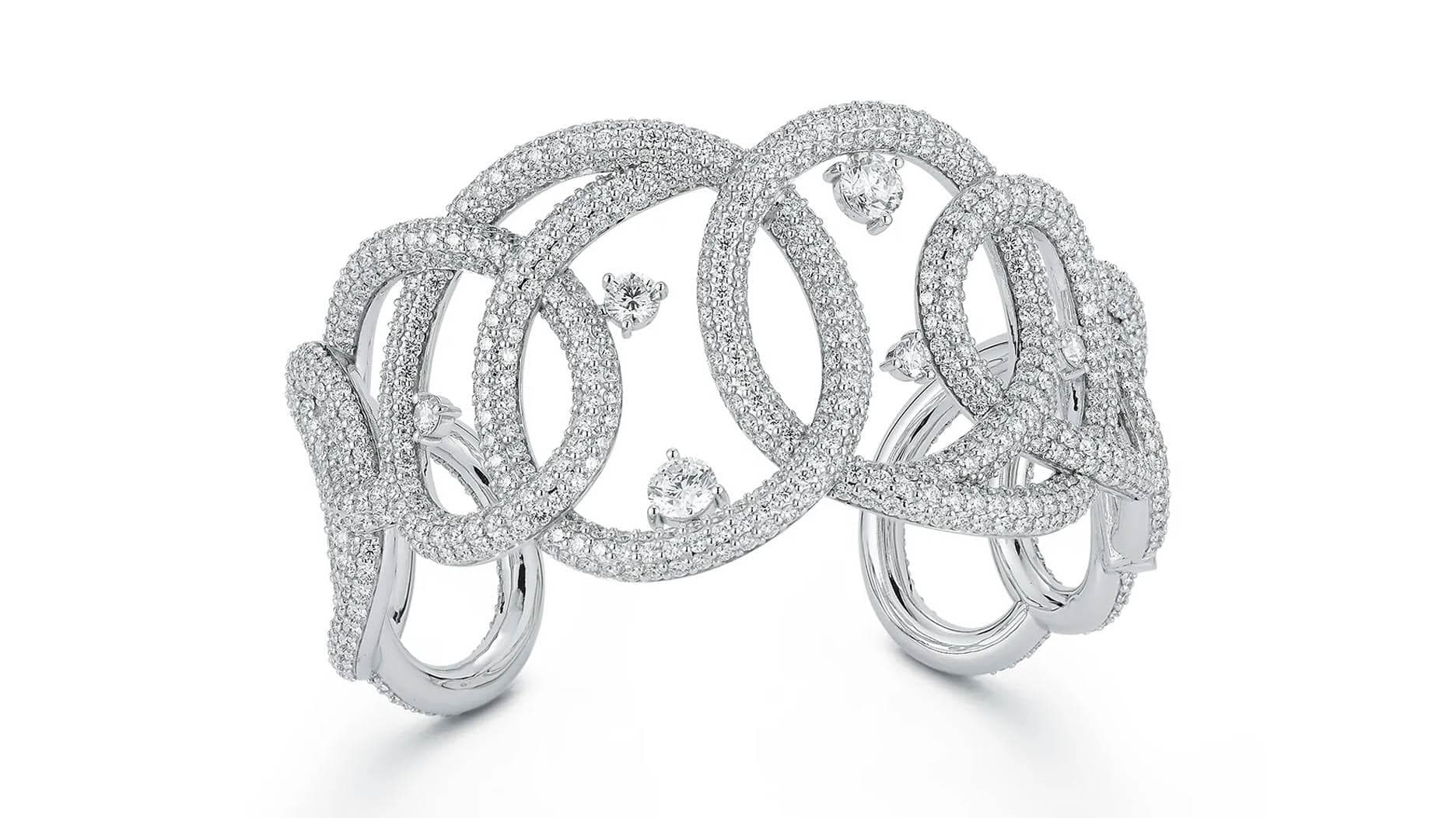
The price gap is doing the styling work
Platinum is no longer just the metal of ceremony. As gold has climbed and platinum has stayed comparatively lower, the old hierarchy between white metals has started to blur, and that shift is changing what designers make, what retailers stock, and what clients can now justify buying. National Jeweler’s style column captures the mood neatly: white metals have not disappeared, but they are being polished up for a real return.
The key difference this time is economics. In April 2026, industry reporting put gold at about $4,739 an ounce and platinum at about $2,051 an ounce, a spread that makes platinum less than half the price of gold. Separate market analysis said the gold-to-platinum ratio sat above its long-term historical range, which is why platinum is regaining its old “value luxury” appeal. This is not just a color story. It is a materials story, and a buying-story with immediate consequences.
Why retailers are changing their case mix
Platinum Guild International has been tracking the category through its annual Platinum Jewellery Business Review, which follows retail sales, trade performance, and consumer sentiment across China, India, Japan and the United States. Its latest read on the market suggests genuine momentum rather than a passing mood. By the end of June 2025, more than 40 platinum-dedicated wholesale showrooms had opened, and some gold production lines had shifted to platinum, a sign that the trade is treating the metal as a business opportunity, not a nostalgic bet.
The United States is especially telling. PGI says U.S. platinum jewelry sales grew 7% year over year in 2025, helped in part by retailers converting white-gold inventory to platinum. Its 2026 Retail Barometer, based on 300 U.S. fine-jewelry retailers, found that more than three-quarters planned to add platinum inventory. That kind of retailer intent matters because it usually arrives before a full-blown merchandising turn, not after it. In other words, the shift is already in the case, even if it has not yet reached every window.
Where platinum is moving beyond bridal
For years, platinum’s strongest identity lived in engagement rings and wedding bands, especially in markets where permanence is part of the romance. PGI was founded in 1975 to develop the global platinum jewelry market, and in Japan it helped re-establish platinum engagement rings and wedding bands. Today, PGI says more than 90% of engagement rings and 80% of wedding bands there are platinum, a reminder that the metal still carries powerful bridal credentials.
What is more interesting now is how far beyond bridal the category is extending. PGI-related reporting says non-bridal platinum sales rose more than 24% in 2025, which suggests the metal is migrating into everyday jewelry rather than staying locked in proposal season. That is the real merchandising pivot. A platinum signet, a clean-lined pendant, a pair of diamond studs or a substantial chain suddenly feels easier to defend when the price spread versus gold is so wide.
White gold still has a place, especially in 14K and above, because it offers the same pale visual language with a lower entry point. But platinum now has an argument that is both aesthetic and financial: it reads as more substantial than white gold, and in many cases it has become the more rational premium choice. Silver, meanwhile, occupies the accessible end of the white-metal spectrum, ideal for fashion-forward silhouettes and entry-price pieces, but without the same heft, density or long-term cachet.

Which styles benefit most from the shift
This is where the design implications become visible. Platinum makes the most sense in pieces where structure matters, such as solitaires, bezel-set stones, crisp hoop earrings, knife-edge bands and sculptural links. Its density gives jewelry a grounded feel, which is part of why collectors still associate it with serious stonework and precise finishing. White gold works especially well in pieces where a lighter weight or slightly softer price is useful, such as pavé rings, layered necklaces and contemporary earrings that lean on surface sparkle more than mass.
Silver has a different role altogether. It is the natural canvas for bold but less price-pressured categories, including medallions, chain necklaces, everyday cuffs and fashion-led rings. That matters for meaningful jewelry, because symbolic pieces often begin in silver before they graduate to gold or platinum. A monogram, zodiac charm or talismanic pendant can be emotionally rich even when the metal itself is more accessible.
National Jeweler’s roundup of white-gold, platinum and silver pieces from Walters Faith, Yvonne Léon, Jemma Wynne, LYLIE Jewellery and other brands shows how broad the category has become. The common thread is not uniformity but flexibility: white metals let designers sharpen diamonds, modernize heirloom shapes and keep silhouettes crisp without the visual warmth of yellow gold. In a market where shoppers are scrutinizing value, that neutrality suddenly looks strategic rather than generic.
Is this a real pivot or luxury wishcasting?
The answer is mostly yes, with one caveat. High jewelry has long loved platinum because the metal supports precision and permanence, and because it flatters diamonds without stealing attention. That alone does not make a consumer-market comeback. What makes the current moment different is that the price gap between gold and platinum is encouraging substitution at the retail level, especially in categories already accustomed to white metals.
Tim Schlick of PGI has said the widening difference between platinum and gold is creating incremental demand and a substitution opportunity, particularly in white-gold jewelry of 14K and above purity. That is the crucial line. It means the movement is not being driven only by mood boards or runway reflexes, but by a simple consumer calculation: if platinum is less expensive than gold, the upgrade starts to feel easier to defend.
Still, not every white-metal story is equal. The strongest cases are in bridal, everyday fine jewelry, and sculptural pieces where platinum’s weight and durability can be felt in the hand. White gold remains important when pricing needs to stay flexible, and silver keeps the category open to younger or more experimental buyers. The merchandising pivot is real, but it is not a blanket return of “white metals” as a trend slogan. It is a recalibration of what looks elegant, what wears well, and what now seems worth the money.
That is why platinum’s current advantage matters so much. It is not simply changing how jewelry looks in the case. It is changing which materials designers reach for first, and which pieces consumers can now justify buying with far more conviction.
This article was produced by Prism’s automated news system from verified source data, official records, and press releases, then run through automated quality and moderation checks before publishing. The system is built and supervised by the people who set the standards it runs under. Read our full AI policy.
Did this article answer your question?