Richemont jewelry drives growth as gold price hikes support sales
Richemont’s jewelry maisons kept buyers spending as gold rose, with Cartier, Van Cleef & Arpels, Buccellati and Vhernier all helping sales climb.
Richemont’s jewelry maisons kept the group’s engine running even as gold became more expensive, a sign that buyers still pay for houses with unmistakable design codes and strong symbolic pull. Cartier, Van Cleef & Arpels, Buccellati and Vhernier all benefited from demand that proved resilient enough to absorb targeted price increases.
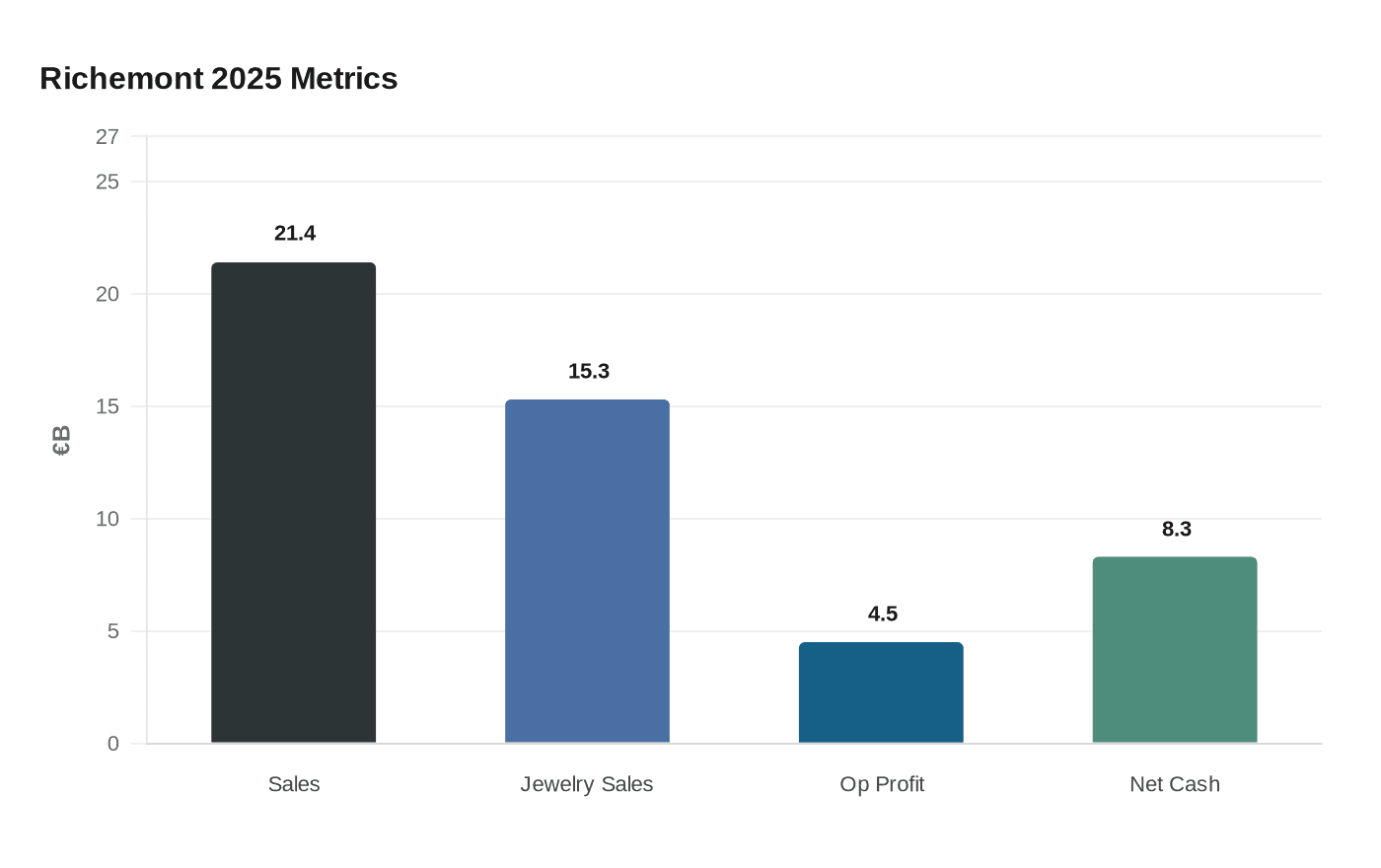
For the year ended 31 March 2025, Richemont reported sales of €21.4 billion, up 4% at actual and constant exchange rates. The company’s Jewellery Maisons generated €15.3 billion, rising 8%, and posted a 31.9% operating margin, a level that underlines how powerful the category remains inside the group’s portfolio. Operating profit fell 7% to €4.5 billion, while net cash reached €8.3 billion.

The quarter closed with the same pattern. Q4 sales rose 8% at actual exchange rates and 7% at constant exchange rates, with Jewellery Maisons up at double digits. Growth was broad-based geographically, with double-digit gains in every region except Asia Pacific. That detail matters: it suggests the appetite for fine jewelry was not confined to one market or one client tier, but continued across Richemont’s international customer base.
The real story sits in what the price increases did, and did not, accomplish. Richemont said disciplined operating costs and targeted pricing helped soften the blow from higher raw-material costs, notably gold. That is a more nuanced signal than simple inflation pass-through. Earlier in the fiscal year, the company had said limited price increases were not enough to fully offset the rise in gold costs, which makes the stronger year-end pricing especially important. In other words, the maisons did not rely on metal prices alone to protect margin; they relied on desirability.
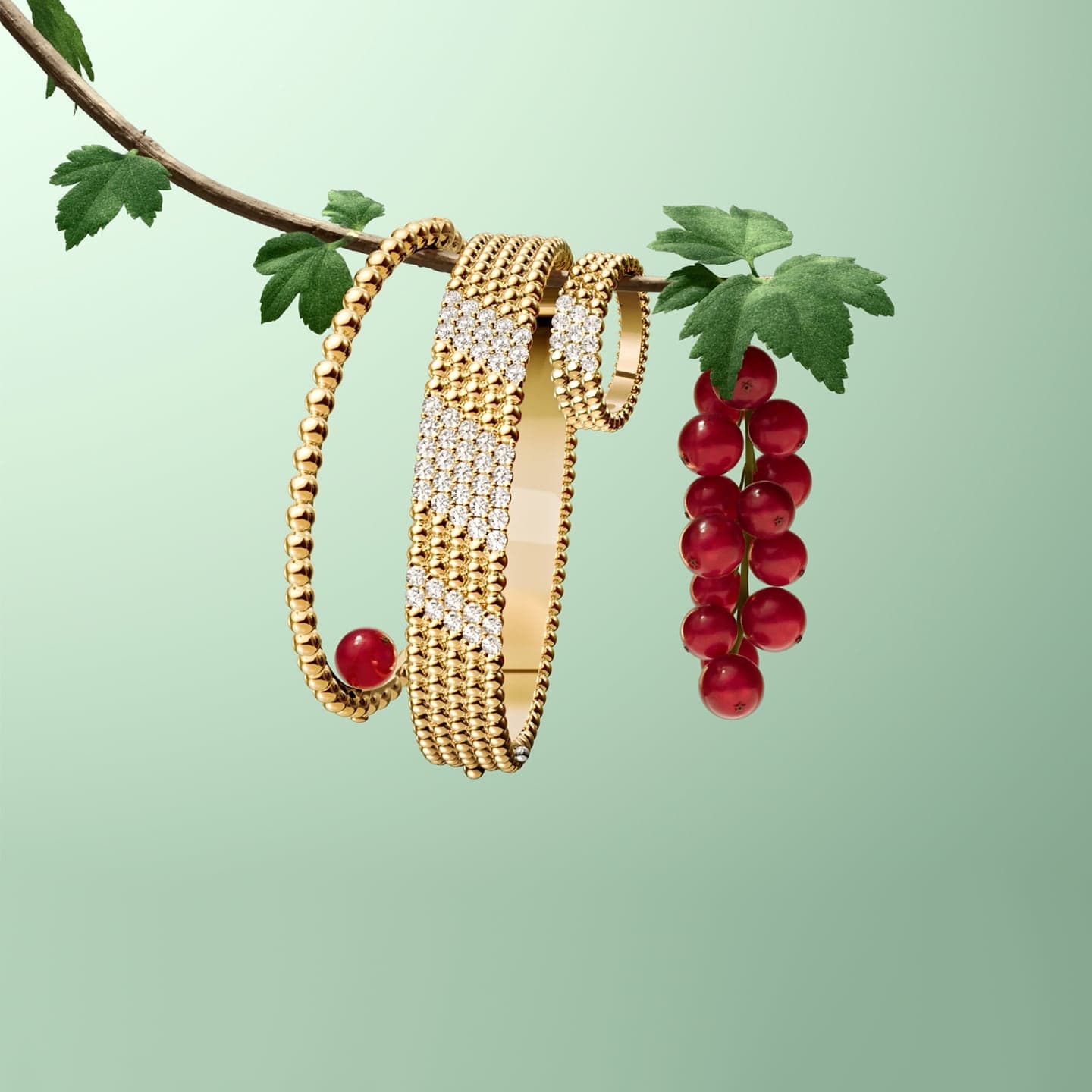
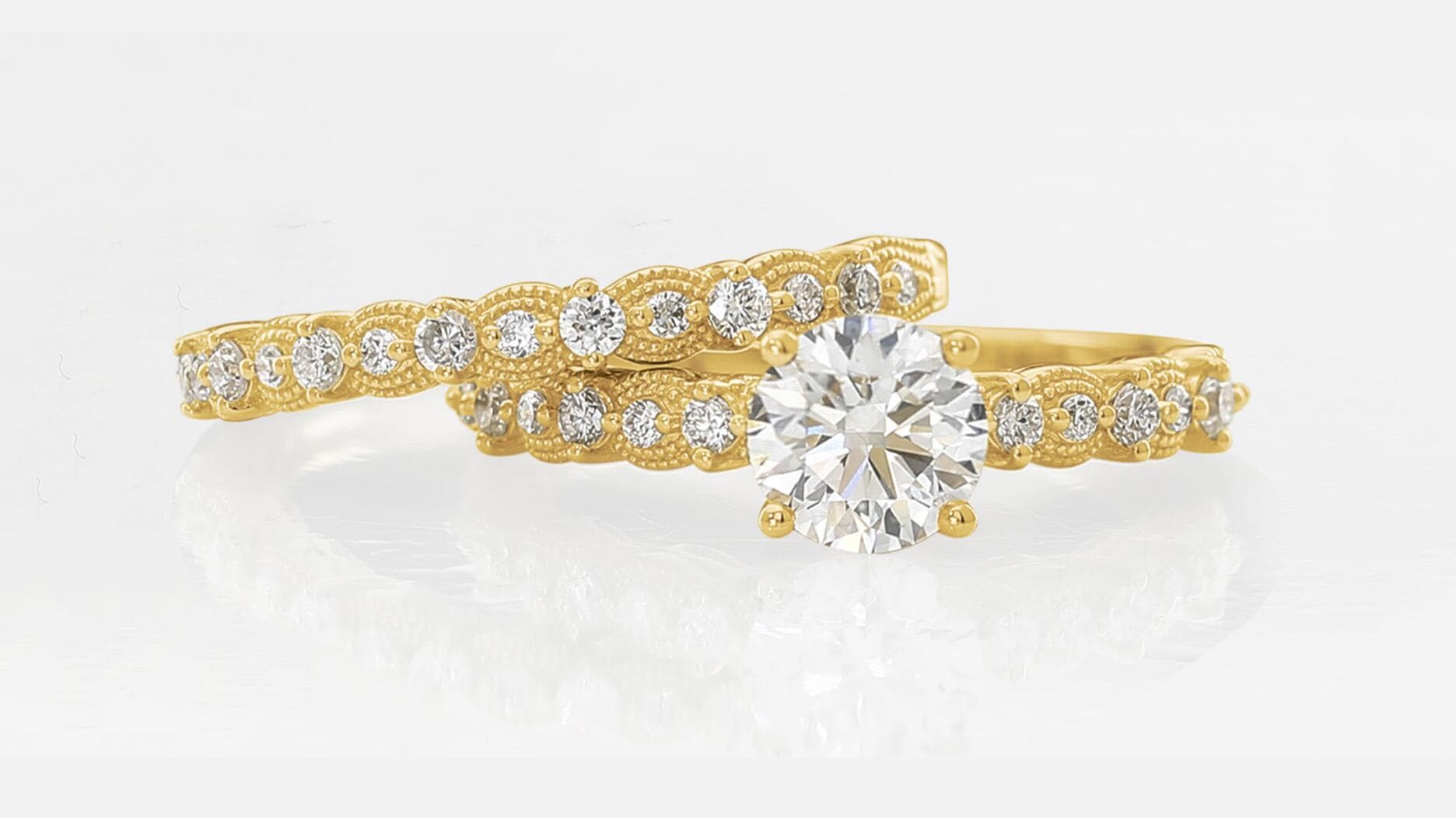
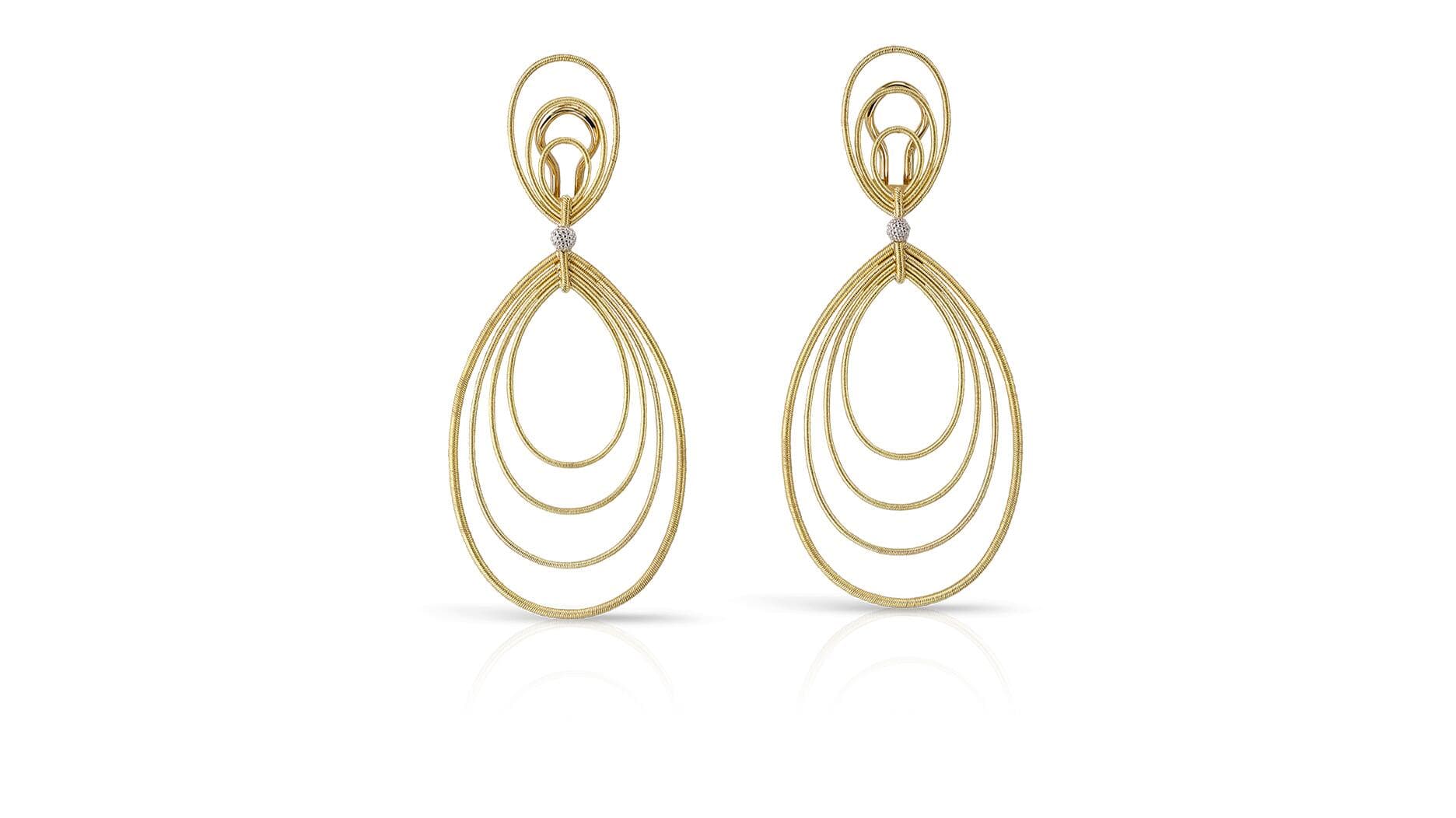
That is where the four houses matter most. Cartier’s graphic authority, Van Cleef & Arpels’ emblematic language, Buccellati’s deeply worked texture and Vhernier’s more contemporary voice all sit in different corners of the jewelry market, yet each trades on recognizability and emotional weight. Vhernier joined the Jewellery Maisons in October 2024, broadening the category just as Richemont leaned harder on jewelry for growth.
Richemont also completed the sale of YNAP to Mytheresa in April 2025 and retained a 33% stake in LuxExperience, leaving the group more tightly focused on the maisons that still command the clearest demand. In a year when gold rose and margins had to be defended, the message was plain: the strongest value in fine jewelry still lives in houses with legible signatures and objects that buyers want before they calculate the metal.
This article was produced by Prism’s automated news system from verified source data, official records, and press releases, then run through automated quality and moderation checks before publishing. The system is built and supervised by the people who set the standards it runs under. Read our full AI policy.
Did this article answer your question?