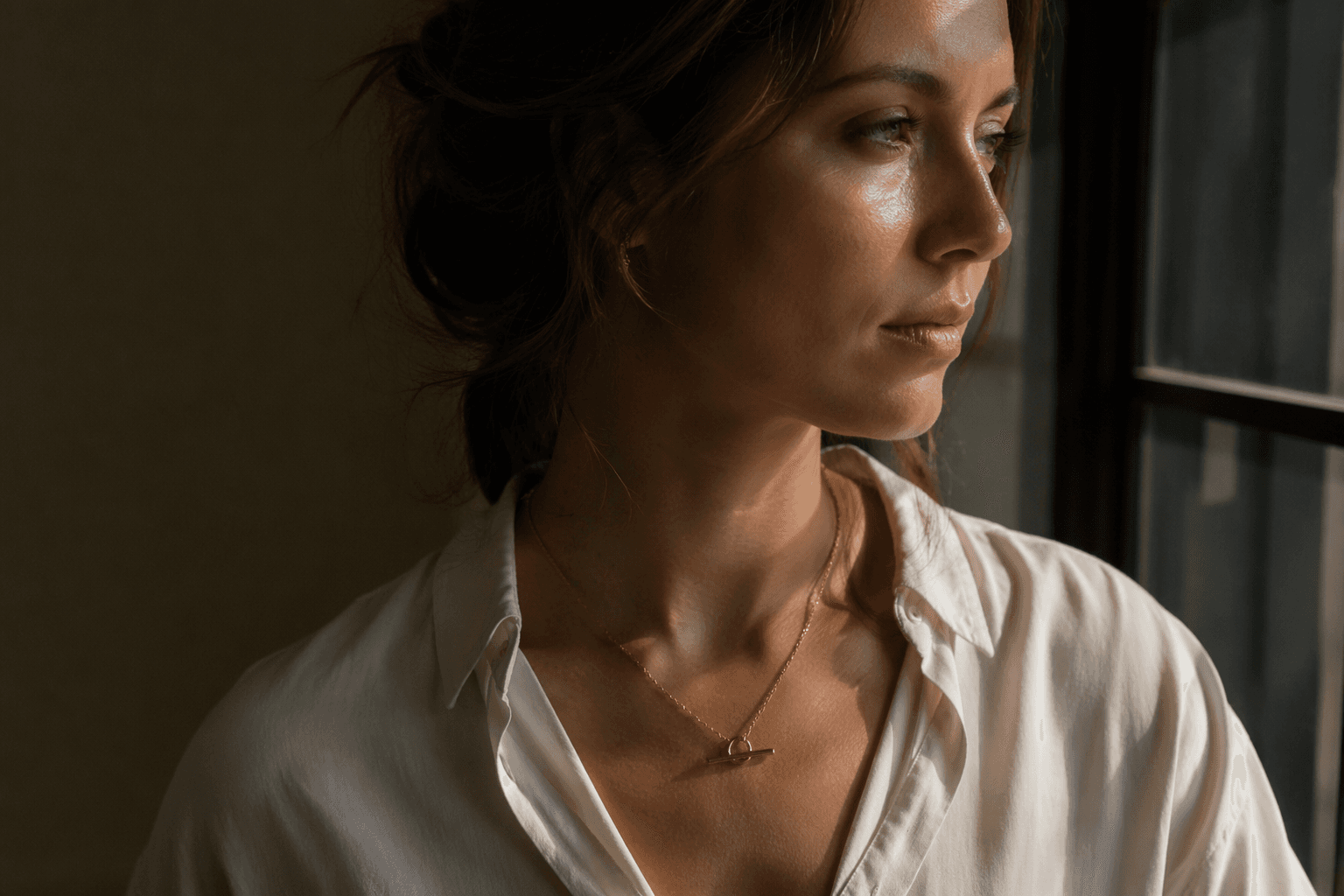
Sayo Ota named 92NY Jewelry Center artist in residence for 2026
Sayo Ota won 92NY’s 2026 jewelry residency, bringing urushi lacquer, bath bombs and Arctic research into one of New York’s most watched studios.
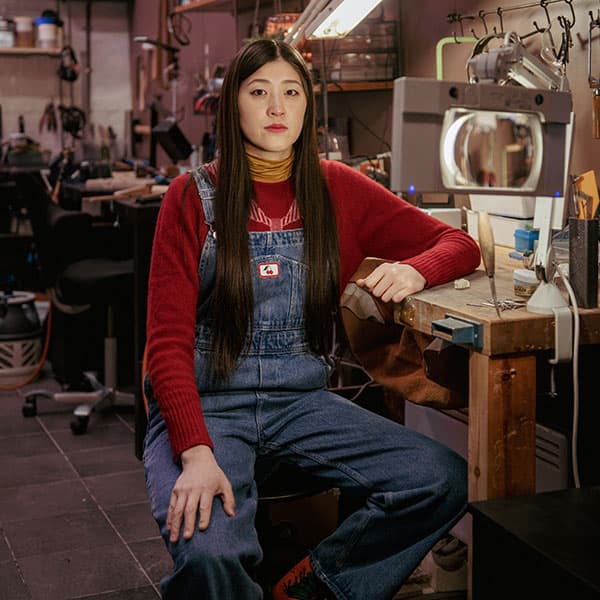
Sayo Ota makes jewelry that treats urushi lacquer and even bath bombs as serious material. That restless material palette helped earn the Japan-based artist the 2026 92NY Jewelry Center residency, a juried program that gives one jeweler a rare month inside New York’s oldest open studio.
The residency was selected by a jury that included Jonathan Wahl, 92NY board member Kathy Chazen, collector Susan Grant Lewin, jewelry designer and curator Kellie Riggs, and Marina Elenskaya of Current Obsession. JCK also reported honorable mentions for Benedict Fischer of the Netherlands and Minyeol Cho of Korea, underscoring how international the field has become around a program that awards just one artist each year.
92NY says the residency is a professional-development opportunity for emerging and established jewelers and metalsmiths, with 24-hour access to private studio space, housing at the 92NY Residence, travel to and from New York City, and a required two-day lecture and workshop at the end of the stay. The 2026 residency runs from August 17 to September 13 under 92NY’s guidelines, while JCK reported Ota would be based at the recently renovated jewelry studios from Aug. 17 through Sept. 30.
The draw is not just the room and the schedule. 92NY says its Jewelry Center serves about 1,000 students a year through more than 55 weekly classes and technical workshops in four studios, and describes the center as the oldest open studio in New York City and the largest program of its kind in the United States. The residency, now in its seventh year in its current form, has previously supported Bettina Speckner, Shin-Ryeong Kim, Sungho Cho, Alexander Blank, Claudia Lepik, Ineke Heerkens and Göran Kling, with support from Kathy Chazen.

Ota’s work, as described by JCK, looks at power, identity, intimacy, social relationships, colonial histories and transnational exchanges. That conceptual range is matched by material experimentation: urushi lacquer sits alongside unconventional elements such as bath bombs, a combination that suggests Ota is as interested in texture and transformation as in preciousness.
Her research has also moved through the Arctic, both as lived environment and geopolitical construct. Ota studied cultural and social history at the University of Greenland, earned an MFA in Global Art Practice from Tokyo University of the Arts in 2024 and a BFA in medium- and material-based art from the Oslo National Academy of the Arts in 2018, where she received the FKDS Award. She also won the Purchase Prize for her graduate work. In New York, she plans to investigate Greenland-New York connections, including the history of an Inughuaq child brought from north Greenland to the city at the end of the 19th century and the Greenlandic meteorite collection at the American Museum of Natural History.
That combination of studio access, institutional contact and cross-cultural research is what makes the residency matter. It is a chance to watch jewelry being tested, argued over and refined in public view, with Ota’s practice positioned to turn New York itself into part of the work.
This article was produced by Prism’s automated news system from verified source data, official records, and press releases, then run through automated quality and moderation checks before publishing. The system is built and supervised by the people who set the standards it runs under. Read our full AI policy.
Did this article answer your question?