Spring Jewelry Blooms With Floral Motifs, Mixed Materials, Self-Expression
Floral jewelry is shedding sentimentality for sculptural gold, mixed materials, and house signatures that make spring pieces feel collectible.
Why floral jewelry feels different now
A flower in jewelry only becomes memorable when you can see the maker’s hand in it. Spring 2026 is pushing floral motifs beyond pretty petals and into pieces that feel authored, with sculptural goldwork, mixed materials, and silhouettes that carry real point of view rather than seasonal decoration.
The mood around jewelry this spring is less about ornament for ornament’s sake and more about self-expression. WWD identified that word, along with heirloom references, color, optimism, and nature-inspired delicate jewelry, as defining the season seen in Paris Fashion Week presentations. That matters because it shifts floral jewelry away from generic spring prettiness and toward pieces that say something about the wearer, whether the statement is quiet, polished, or bold.
Fashion on the runway reinforced the same message. At Chloé, Chemena Kamali leaned into dense swags of floral-printed cotton, vintage florals, and soft shapes that made flowers feel lived-in rather than twee. At Dior, Jonathan Anderson put a fresh spin on Christian Dior’s historic “flower women” idea in his debut haute couture show, proving that floral language can still feel modern when it is filtered through house memory and a clear creative hand.
The materials are doing the talking
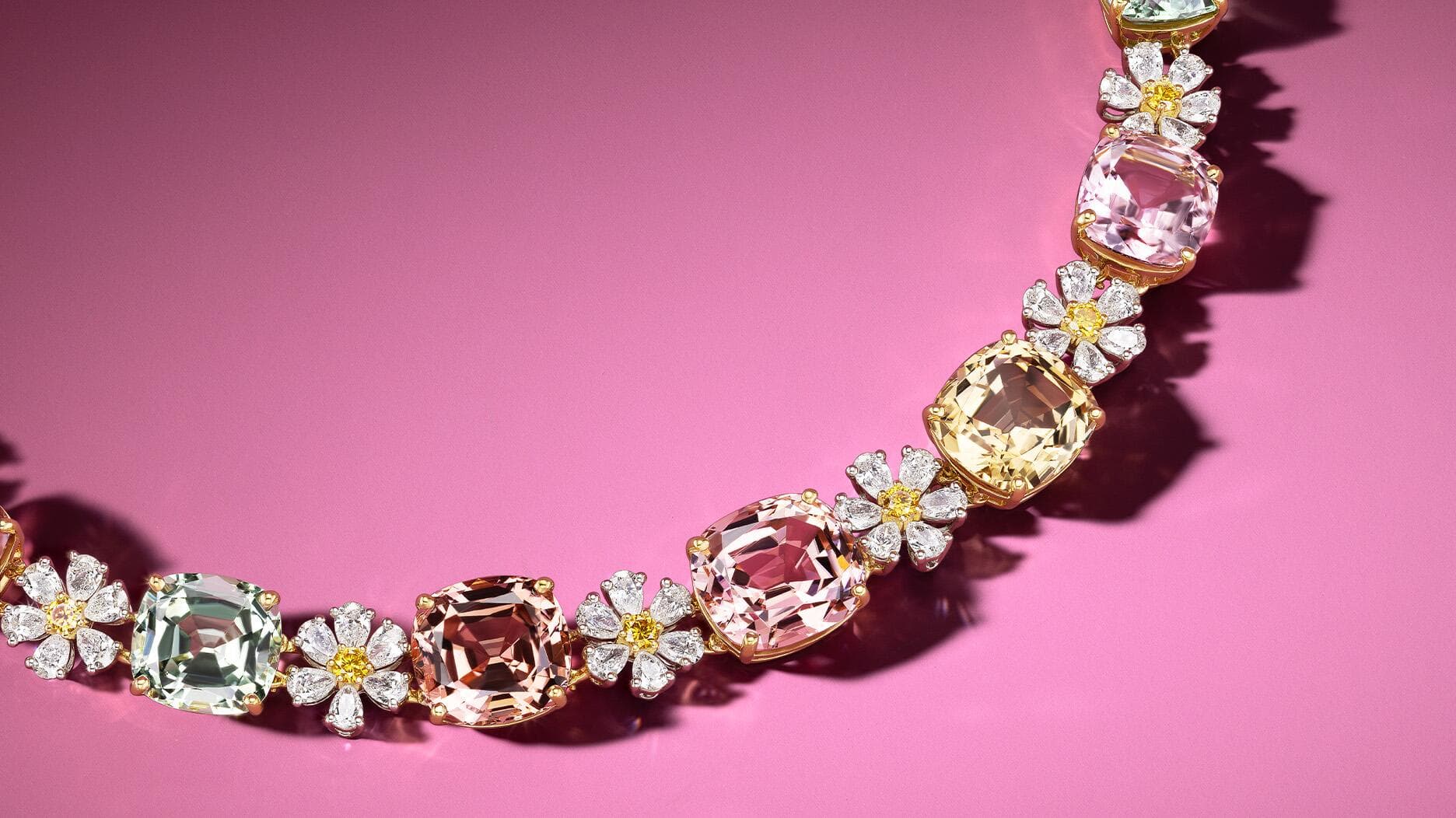
What makes this season’s floral jewelry feel new is not just the motif, but the way it is built. National Jeweler noted that designers are translating flowers and petals into fine jewelry with gold and diamonds, but also with titanium, suede, horn, and hand-painted porcelain. That material range is the giveaway: these are not simply floral outlines, they are objects designed to surprise the eye and change the texture of the piece.
Gold and diamonds still do the heavy lifting, especially in fine jewelry where structure matters as much as sparkle. A metal-heavy, diamond-forward flower reads differently from a dangling seasonal charm because it has weight, permanence, and visual discipline. By contrast, titanium can sharpen the profile and give a bloom a cool, almost architectural edge, while suede and horn soften the read and introduce tactility. Hand-painted porcelain brings a more literal sense of petal and color, but when it is handled well, it feels precious rather than costume-like.
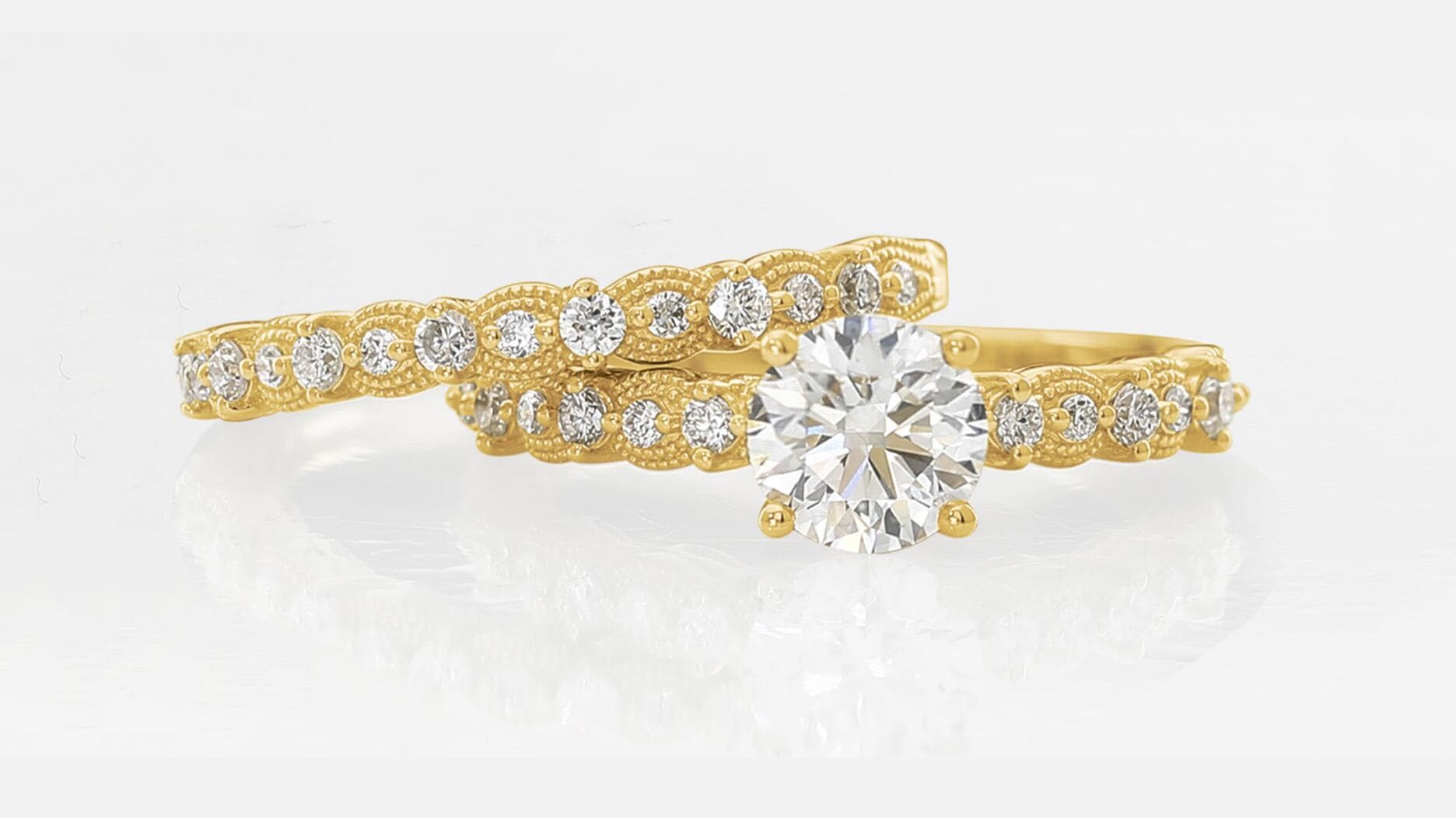
Setting choice matters too. A bezel setting can turn a petal or center stone into a clean, graphic shape, enclosing it with a finish that feels contemporary and secure. Prongs, by comparison, lift a stone into light and can make a floral design feel airier, more fragile, and more sparkly. The best pieces use that distinction intentionally, so the setting supports the flower instead of just holding it in place.
House signatures turn flowers into collectibles
Floral jewelry is hardly new, and that is part of its appeal. National Jeweler made the case in 2024 that floral jewelry is a perennial category and that fine jewelry is especially well suited to “forever florals.” In other words, when the motif is executed in precious metal and stone, it can move from a passing spring gesture to something worth keeping for years.
The clearest examples come from maisons that have made nature part of their identity. Cartier’s dedicated Flora and Fauna high-jewelry category shows how a flower can become a house language rather than a one-off theme. Boucheron has built an equally recognizable relationship with nature, and its 2026 Histoire de Style collection pays tribute to Frédéric Boucheron’s love of living nature. That kind of lineage matters to buyers because it creates a visual signature: you are not just buying a blossom, you are buying into a design vocabulary that can be recognized from a distance.
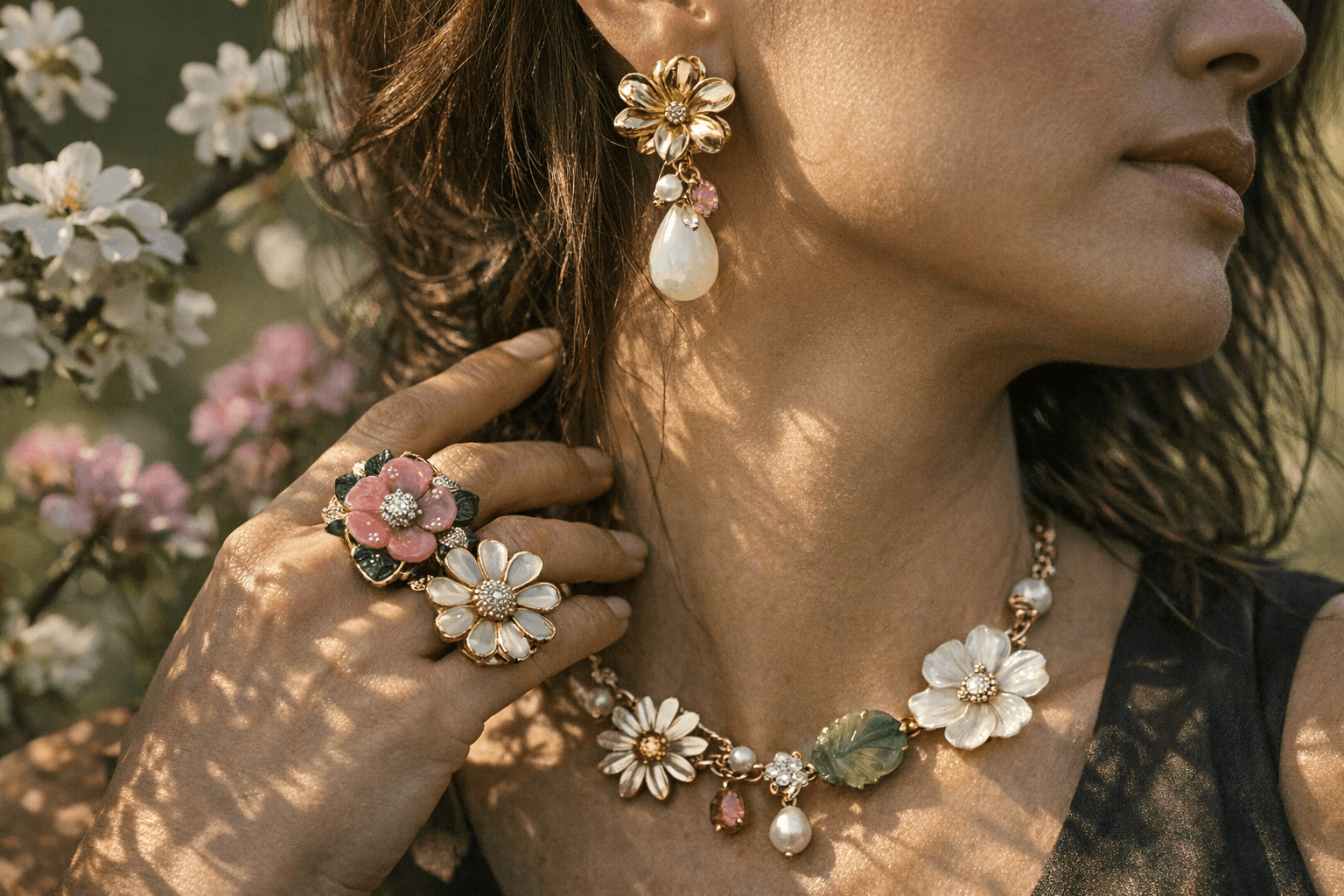
This is where collectible value begins to separate from ordinary spring florals. A generic flower piece usually relies on a familiar outline and a single sentimental gesture. A stronger piece has more tension in it: a more sculptural petal, an unexpected material, a sharper silhouette, or a reference to a maison’s archive. The result feels less like merchandise and more like an object with authorship.
How to tell a sentimental flower from an investment-worthy one
The easiest way to read a floral jewel is to ask whether the flower has been interpreted or simply illustrated. A sentimental piece may be charming, but it often depends on a familiar bloom shape and a light touch. An investment-worthy design usually has more depth: refined metalwork, clear proportions, and a point of view that would still make sense if the motif were removed.
Look for these signs:
- Sculptural construction, where petals have volume, curve, or tension rather than a flat outline.
- Materials that do more than decorate, such as titanium for contrast, horn for warmth, suede for texture, or porcelain for color.
- A recognizable house language, especially from names like Cartier or Boucheron, where nature is part of the brand’s long-term visual identity.
- Fine finishing in the setting, whether the stones are tightly framed in bezel form or lifted for sparkle in prongs.
- A flower that feels specific to the designer, not interchangeable with every other spring accessory in the case.
That last point is the real test. A piece with clear authorship feels collectible because it has a point of view. It might be delicate, but it does not feel generic; it might be whimsical, but it is built with discipline. That balance is what gives floral jewelry staying power.
The spring 2026 floral code
The season’s strongest floral jewels are not trying to compete with literal bouquets. They are translating the idea of a flower into form, material, and memory, then giving it a modern edge through craftsmanship. That is why the most persuasive pieces sit at the intersection of nature and design: they feel seasonal, but they are built to outlast the season.
Spring 2026 floral jewelry is ultimately about recognition. You notice the maker, the maison, the material, and the hand behind the bloom. That is what separates a passing motif from a piece that deserves a permanent place in a jewelry box.
This article was produced by Prism’s automated news system from verified source data, official records, and press releases, then run through automated quality and moderation checks before publishing. The system is built and supervised by the people who set the standards it runs under. Read our full AI policy.
Did this article answer your question?