SSEF flags possible new Paraíba tourmaline source in Ethiopia
Two oval Paraíba tourmalines may trace to a new Ethiopian deposit, but SSEF says Brazil-like chemistry still blurs the line. That uncertainty keeps origin and premium pricing in play.
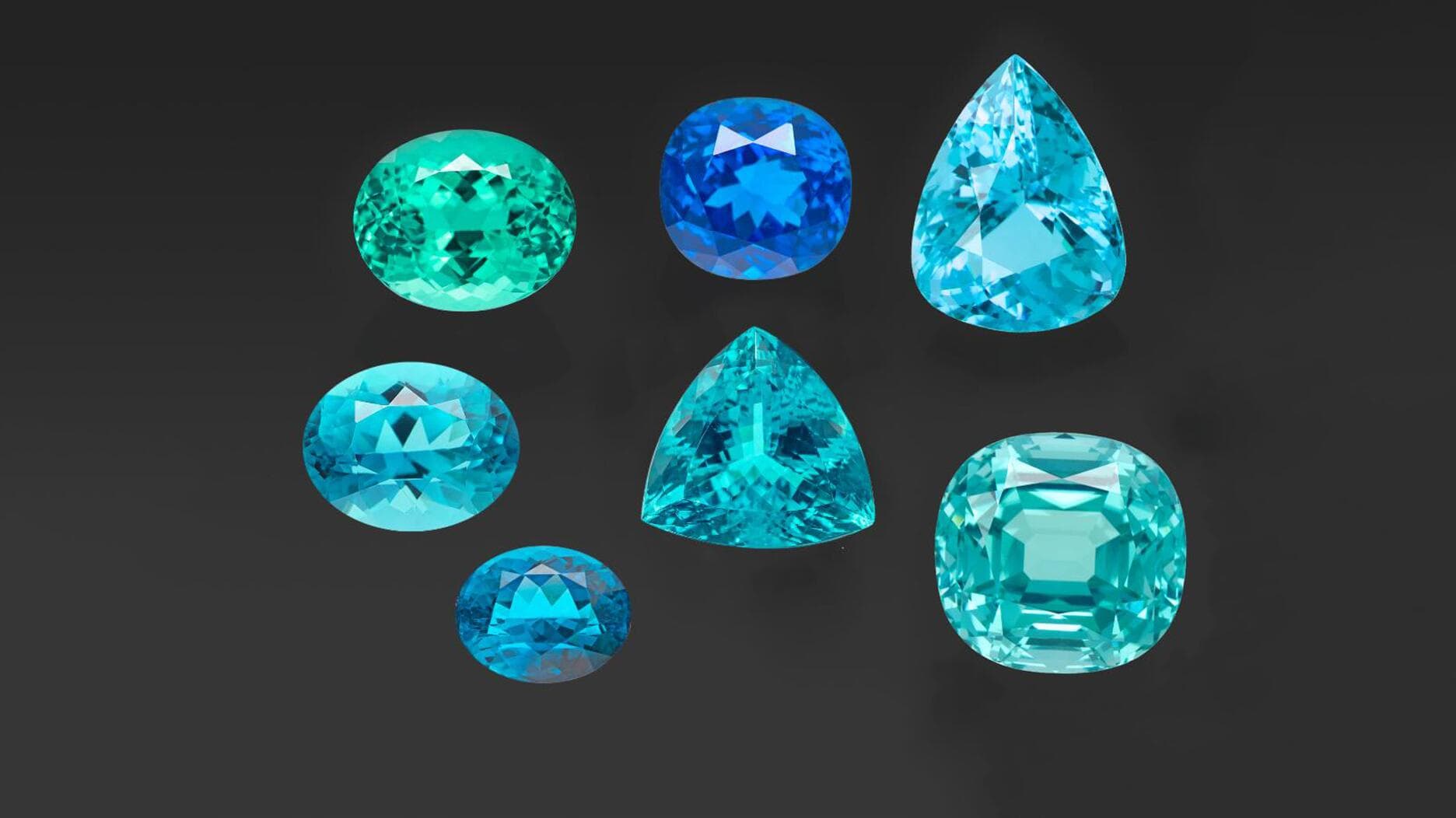
SSEF said two oval Paraíba tourmalines it recently examined may point to a new copper-bearing deposit in Ethiopia. The Swiss Gemmological Institute said the stones’ preliminary trace-element data were not conclusive, because the chemistry can overlap with material from known localities, especially Brazil.
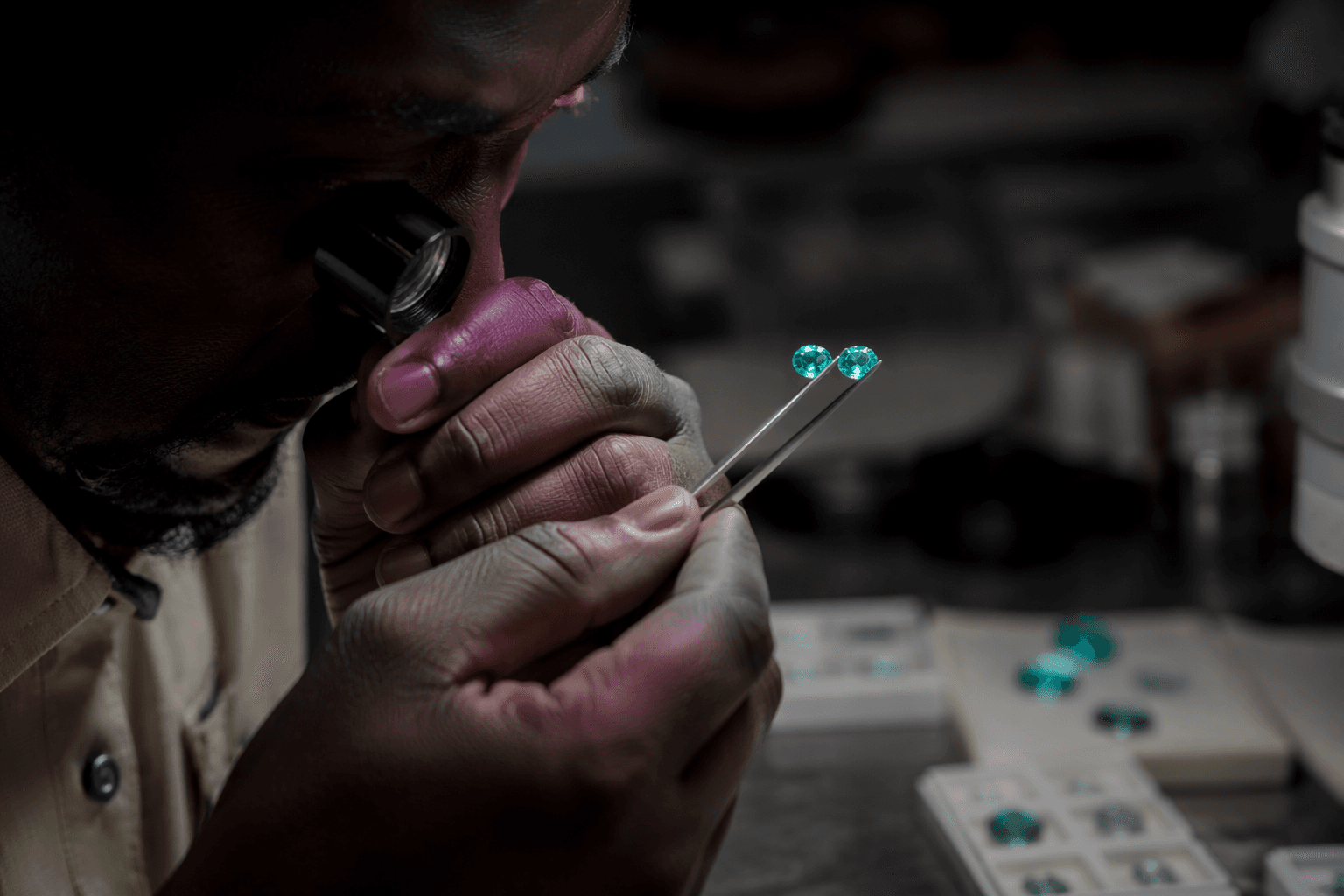
That uncertainty matters because Paraíba tourmaline has always been a stone defined by place as much as by color. Heitor Barbosa first found it in the late 1980s in a weathered pegmatite near São José da Batalha, in Brazil’s Paraíba state, and the gem’s electric blue to bluish-green glow comes primarily from copper in the crystal structure. The name still carries that Brazilian origin story, even as the trade has spent decades chasing other sources.
Additional deposits in Nigeria and Mozambique emerged in the early 2000s and were welcomed by the market, easing pressure on a material that had seemed almost singular. Mozambique later became especially important, with production that has included stones weighing several hundred carats. Even so, Brazilian stones can still command a significant premium over African material, which is why every new locality changes more than the supply map.
SSEF’s own research shows how hard origin can be to pin down when copper-bearing tourmaline crosses geological boundaries. In a 469-sample study drawn from Brazil, Mozambique and Nigeria, the institute quantified 57 elements using full-mass-spectrum LA-ICP-TOF-MS. Its analysts said unsupervised machine-learning methods can help identify outliers that may signal new or undocumented sources, the kind of statistical edge case that a stone from Ethiopia could become if the deposit is confirmed and characterized.
For now, SSEF is treating the Ethiopian material as a developing line of inquiry, not a settled verdict. Its report page says Brazilian stones are identified as Paraíba tourmaline, while copper- and manganese-bearing stones from other origins may be described more generally as tourmaline with a Paraíba-trade comment. It also notes that Paraíba tourmalines are commonly heat treated, another reminder that color alone rarely tells the full story.
If Ethiopian material proves distinct, it would add another chapter to a gem already shaped by scarcity, premiums and shifting geography. In a market where the right origin can change a stone’s status as decisively as a bezel changes its profile, provenance remains the detail collectors read first.
This article was produced by Prism’s automated news system from verified source data, official records, and press releases, then run through automated quality and moderation checks before publishing. The system is built and supervised by the people who set the standards it runs under. Read our full AI policy.
Did this article answer your question?