Storytelling drives vintage-inspired jewelry sales as trends arrive unevenly
A vintage pendant, a birthstone ring or a pearl gift now sells on memory as much as metal, with retailers leaning on provenance to offset high gold prices.
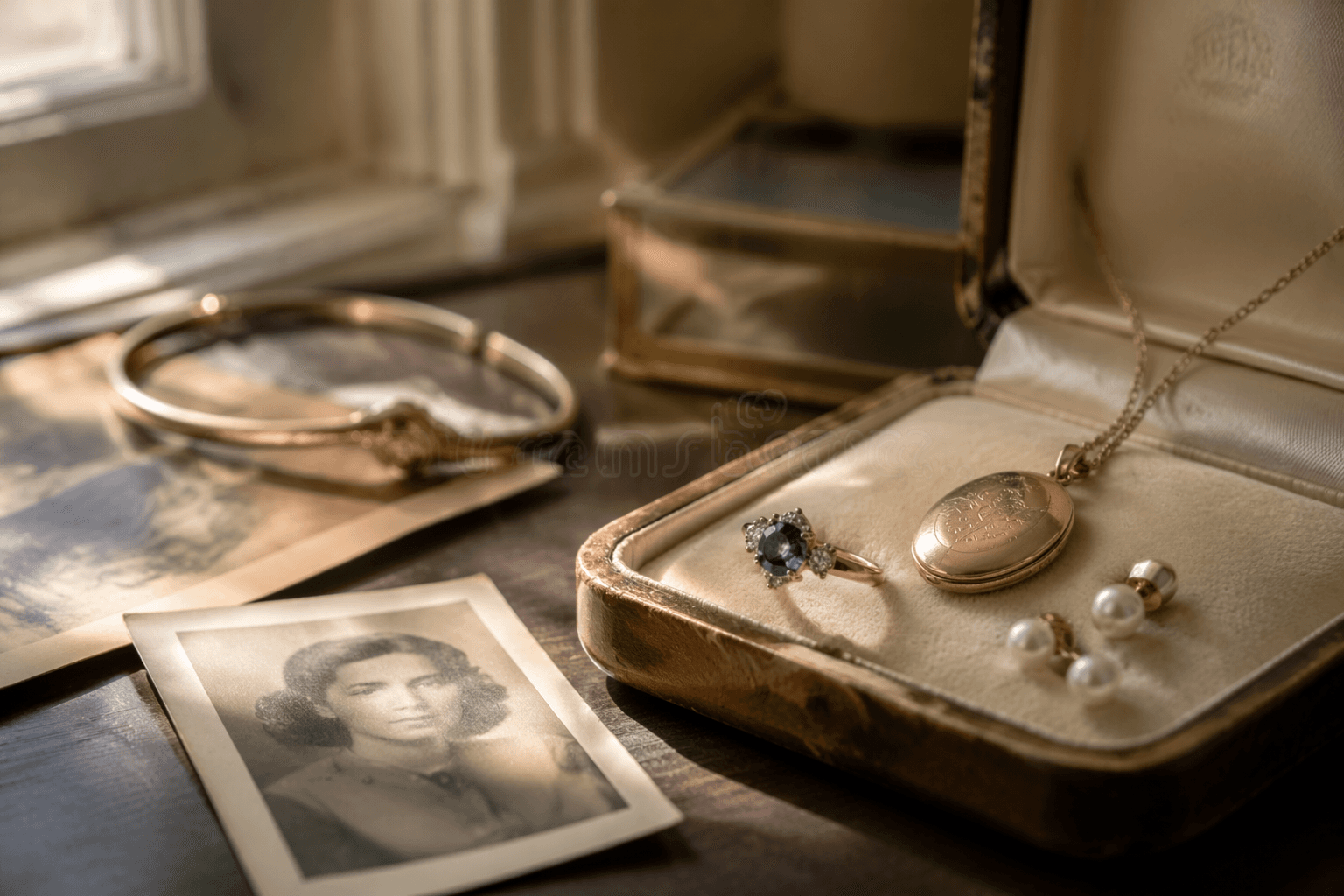
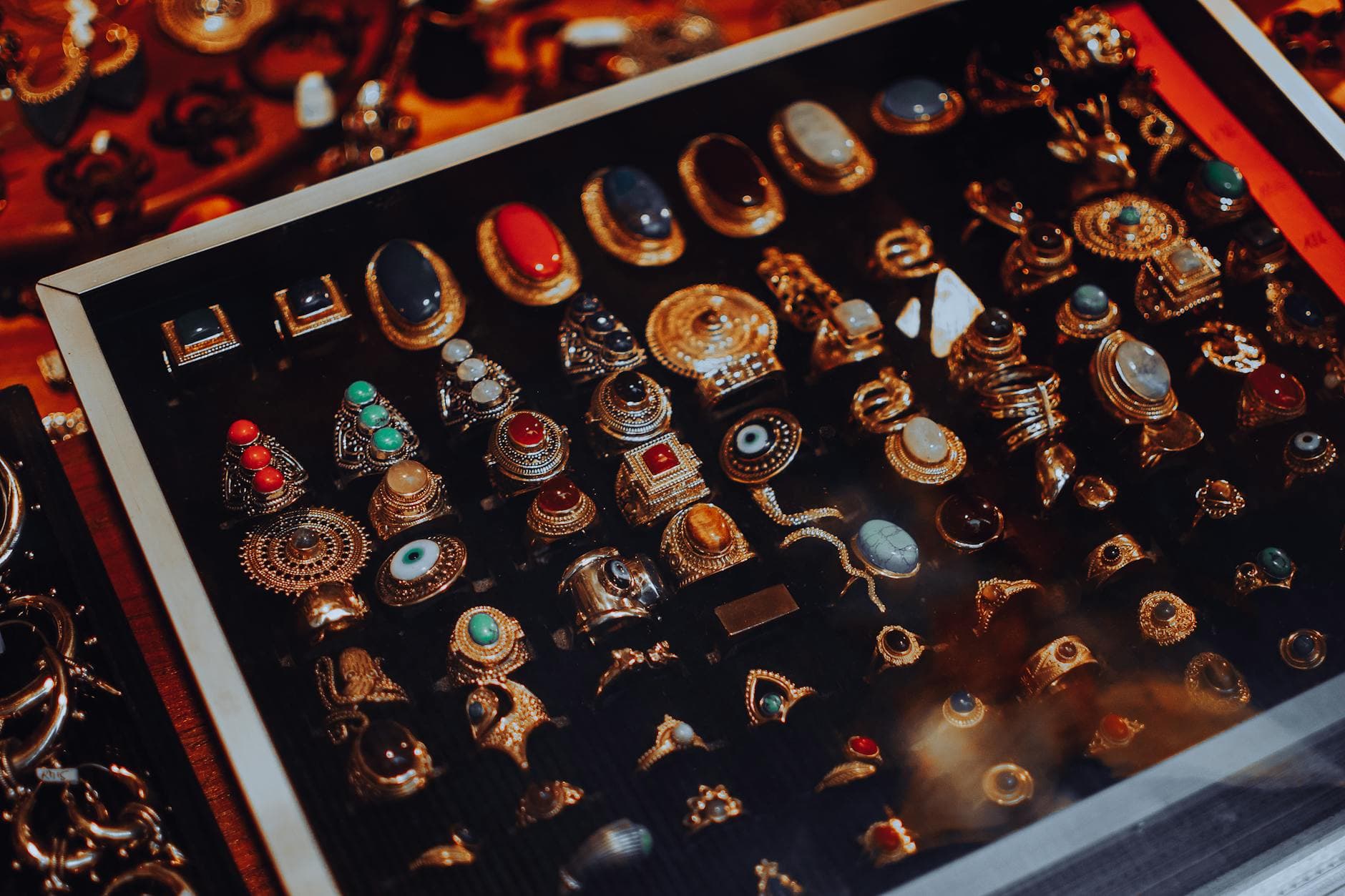
A birthstone pendant in a velvet estate box can do what a wall of new inventory often cannot: give a shopper a story before she has even asked for a price. That is why vintage-inspired jewelry has emerged as the clearest bright spot in a year of uneven trends, as retailers lean on antique and vintage pieces, modern restylings and upcycled designs to make value feel personal rather than purely transactional.
The appeal is partly emotional and partly practical. Old estate jewelry boxes, revolving turntables for tassels and staff wearing pieces on the floor all help customers imagine a jewel in use, not just under glass. Retailers say that when a piece carries visible history, whether through an heirloom reference, a restored setting or a reworked mount, it is easier to explain why it matters and why it costs what it does. With gold prices still high, antique and vintage pieces can also read as reasonably priced next to newly manufactured jewelry.
That value conversation is not landing evenly across the market. Some jewelers say the trends that dominate trade-show floors can take 6 to 18 months to reach customers, which leaves timing and local taste as decisive as the trend itself. Tassels, in particular, have not caught on everywhere, and some stores are still waiting for red gemstones and alternative materials to find steadier traction. The takeaway is not that trend jewelry is dead, but that its success depends on whether a store can translate novelty into a narrative customers trust.
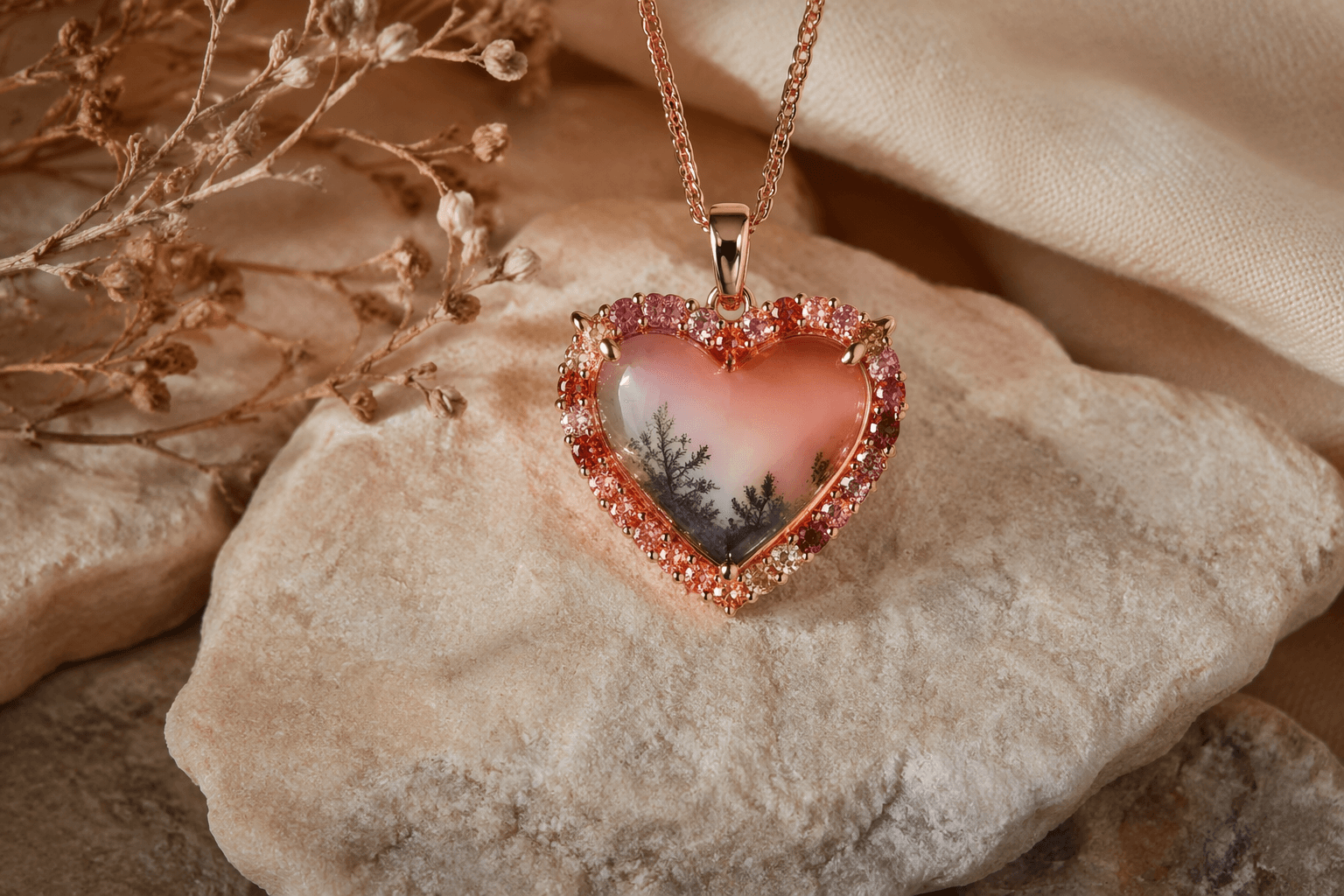
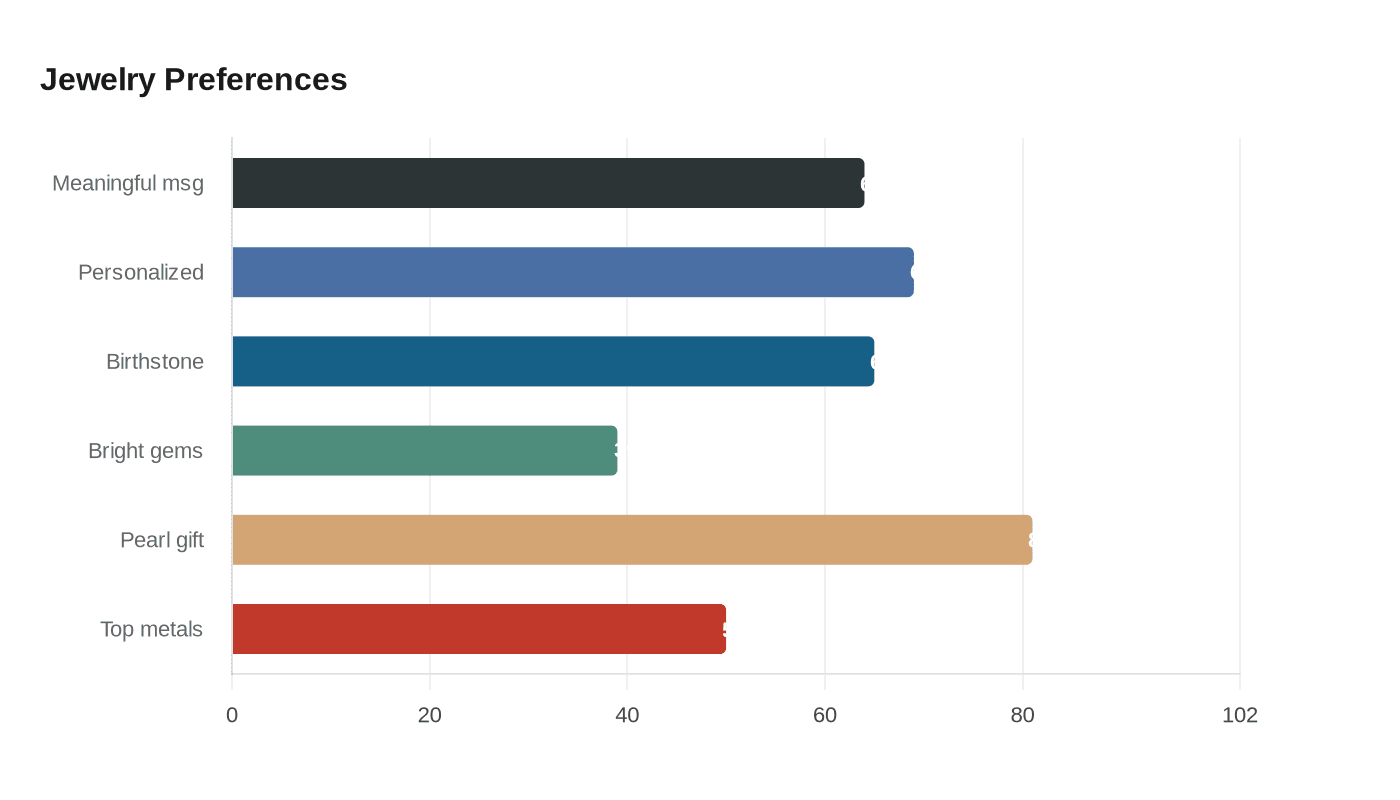
The numbers back up that shift toward meaning. The Plumb Club’s 2025 Industry and Market Insights report, which surveyed more than 2,000 U.S. jewelry consumers, found that 64 percent wanted to personalize jewelry with a meaningful message or symbol, while 69 percent said personalized jewelry was important or extremely important. Sixty-five percent sought designs containing their birthstone, 39 percent preferred brightly colored gemstones, up 7 percentage points from 2023, and 81 percent said they would buy pearl jewelry as a gift. Yellow gold, white gold and platinum remained the top metal preferences, accounting for 50 percent of responses combined.
That mix of sentiment and scarcity fits the broader market backdrop. The World Gold Council said on April 29, 2026, that high gold prices are likely to keep weighing on jewelry demand this year, even as recycling rises only modestly. In that environment, vintage, estate, restored and upcycled jewelry offer something new production cannot always match: a ready-made sense of provenance, a visible link to the past and the feeling that a purchase carries meaning beyond fashion.
Know something we missed? Have a correction or additional information?
Submit a Tip