Titanic artifacts auction faces U.S. government pushback over preservation duty
NOAA is trying to block RMS Titanic Inc. from auctioning more than 100 Titanic relics, including a heart pendant and a bracelet engraved Amy, in Norfolk.
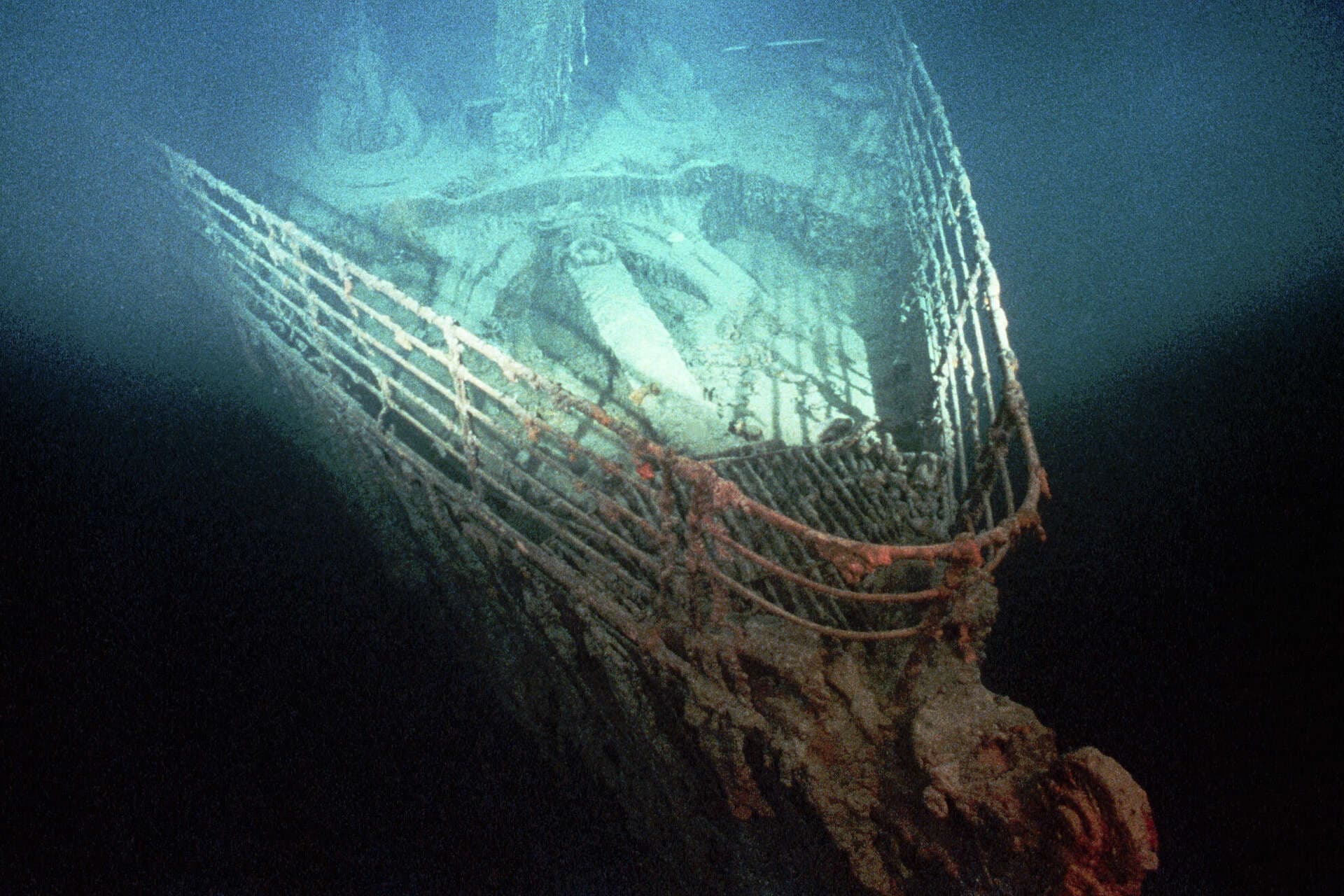
More than 100 Titanic artifacts are at the center of a federal fight in Norfolk, Virginia, where the Commerce Department’s National Oceanic and Atmospheric Administration is trying to stop RMS Titanic Inc. from selling pieces recovered from the wreck. Among the items slated for possible auction are a real heart-shaped pendant, a necklace of gold nuggets, a sapphire-and-diamond ring and a bracelet engraved Amy.
NOAA argues in U.S. District Court in Norfolk that the sale would violate RMS Titanic Inc.’s duty to conserve the roughly 5,000-item collection as a whole for the public interest. The company says earlier agreements allowed the artifacts to be displayed in museums and traveling exhibitions, but not sold. It has also proposed a pre-auction touring exhibition in four undisclosed cities before any sale goes forward.
The dispute is rooted in decades of salvage work. RMS Titanic Inc. has been retrieving material from the North Atlantic since 1987, recovering thousands of objects and even chunks of the ship’s hull. The company has tried before to sell Titanic artifacts to fund future expeditions, and those efforts ran into resistance from U.S. courts, preservation groups and relatives of victims. NOAA says the United States District Court for the Eastern District of Virginia has exercised admiralty jurisdiction over the salvage action since 1994, and that an August 15, 2011 order granted RMS Titanic title to artifacts from the 1993, 1994, 1996, 1998, 2000 and 2004 recovery expeditions, subject to specified conditions.
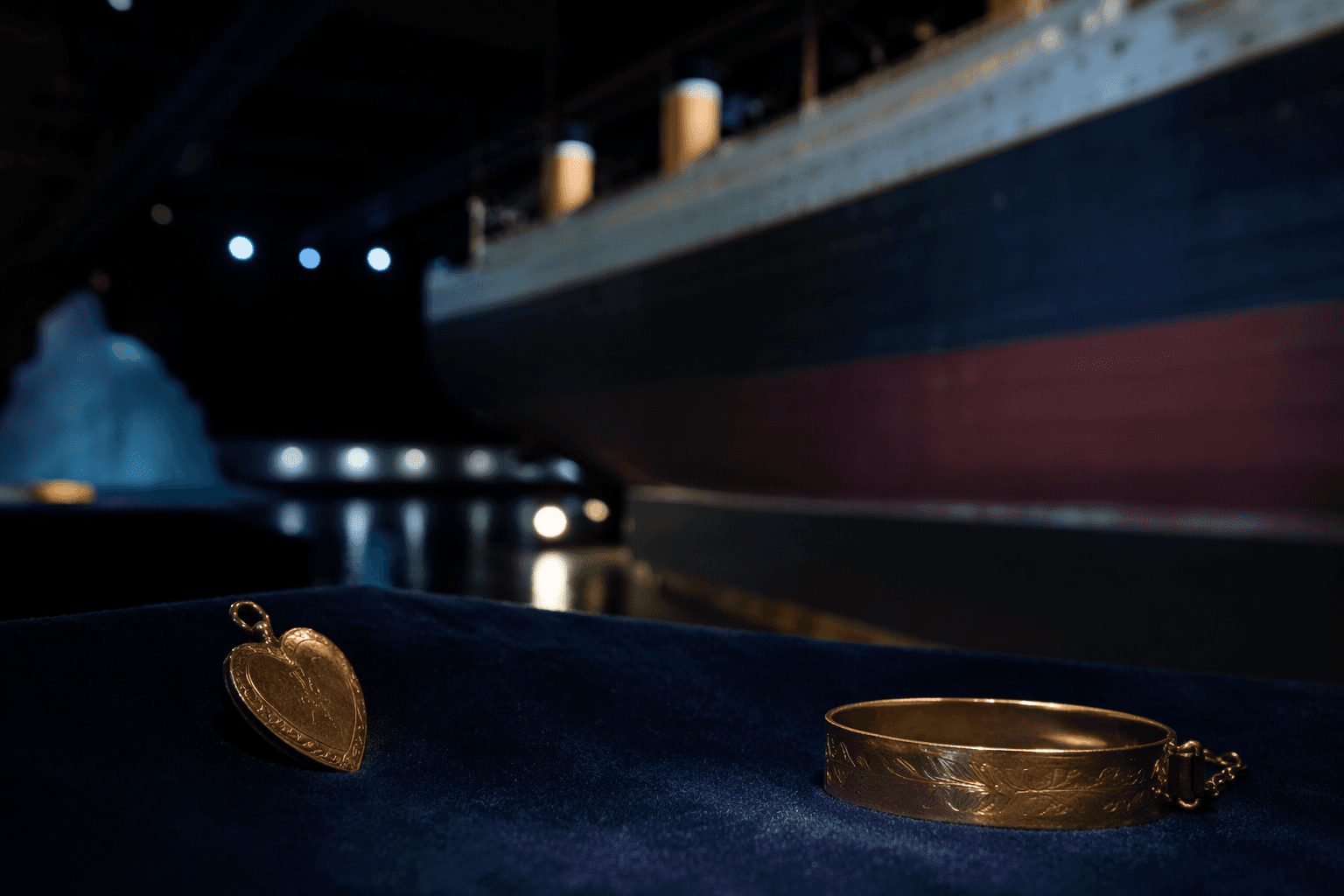
What makes this fight sharper than a routine collectibles dispute is that some of the objects were personal possessions carried by passengers aboard the ship. A heart-shaped pendant, a bracelet engraved with a name and a sapphire-and-diamond ring are not anonymous debris; they are the sort of pieces that can slip from memorial into commodity the moment they are separated from the wreck’s wider story. NOAA says the court ordered certain documents unsealed earlier this month, bringing the dispute into public view.
The market has already shown how much Titanic-linked jewelry and timepieces can command. In November 2025, Isidor Straus’ 18k gold pocket watch sold for £1.78 million, or $2.35 million, setting a record for Titanic memorabilia. In 2024, a Tiffany pocket watch presented to RMS Carpathia captain Arthur Rostron sold for about $2 million. Those prices explain the commercial pull; the pending case asks whether that pull can override the preservation duty tied to one of the world’s most seared maritime memorials.
This article was produced by Prism’s automated news system from verified source data, official records, and press releases, then run through automated quality and moderation checks before publishing. The system is built and supervised by the people who set the standards it runs under. Read our full AI policy.
Did this article answer your question?