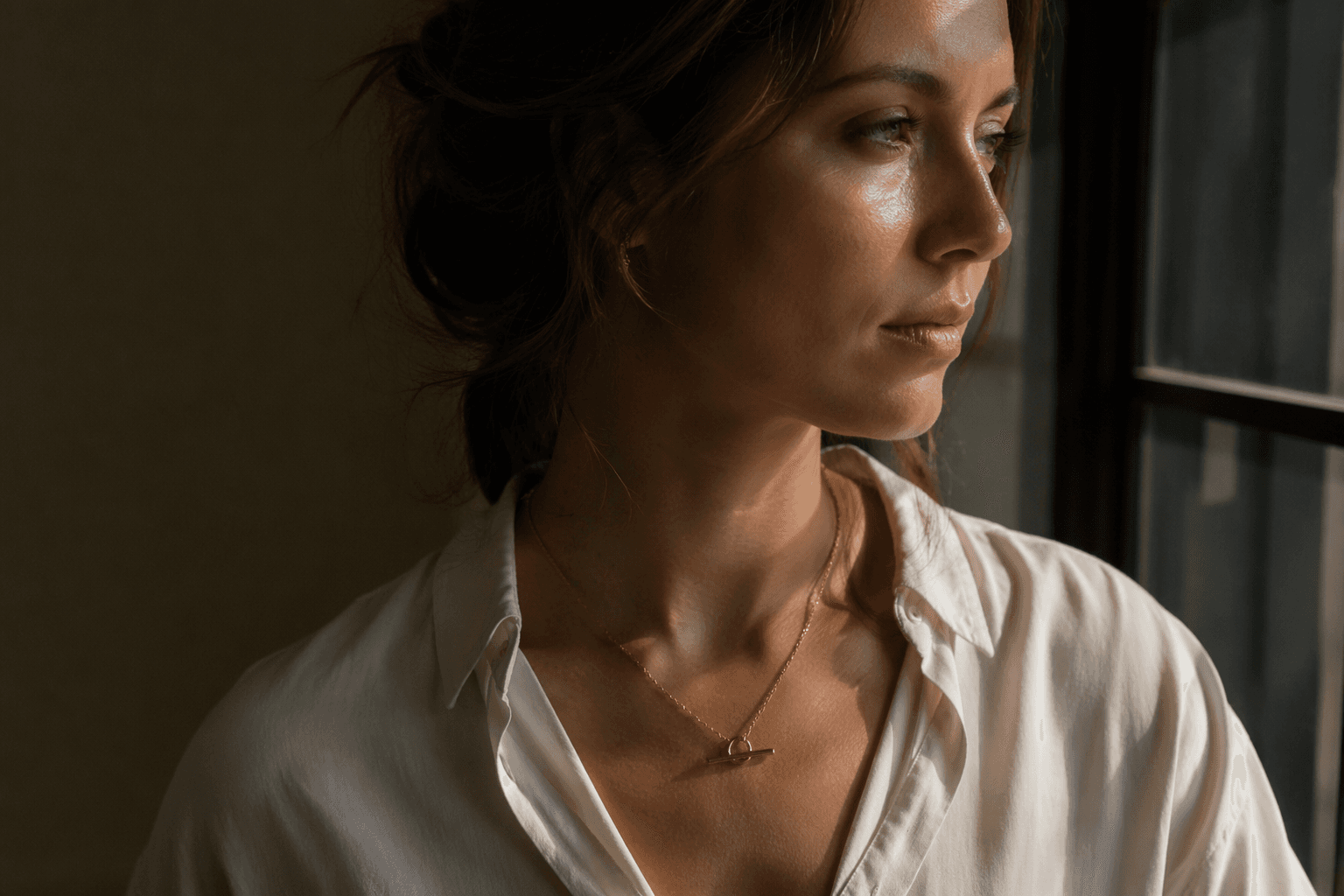
Victoire de Castellane unveils Diorissima in Venice, 141 high-jewelry pieces
Victoire de Castellane brought 141 Dior high-jewelry creations to Venice, turning clover, coral and constellations into a joyful manifesto.

Victoire de Castellane chose Venice to make a case for high jewelry as emotional architecture. At Palazzo del Casinò on the Venice Lido, Diorissima unfolded as 141 high-jewelry creations, staged in a setting of burgundy velvet seats, gaming tables, a cocktail, a gala dinner and a runway-style procession that let the jewels move like costumes for a private dream.
The location mattered as much as the stones. Palazzo del Casinò, designed in 1938 in the Rationalist style with Art Deco influences, gave the presentation a hard-edged glamour that sharpened the collection’s softer imagery. Dior described the work as traveling through three worlds: lush vegetation, aquatic depths and mysterious constellations. In Castellane’s hands, that triptych became a design manifesto about nature, wonder and the disciplined craft required to make fantasy believable.
The motifs were disarmingly legible, which is part of the collection’s intelligence. Clover, wisteria, fruit, algae-covered seabeds, coral, bubbles, suns, eclipses and happy clouds all appeared in Dior’s visual language, but never as illustration. The Ateliers used the house’s signature doublet technique, layering stones to create subtle shades, while lacquer added opacity and transparency effects that made the jewels feel as if they were shifting between land, water and sky. The result was decorative, but never busy. Each piece seemed to test how far the eye can be led before the hand notices the engineering.

Castellane has said she wants to “raise the bar” technically while keeping the work joyful, and that balance defined Diorissima. Some designs moved beyond necklaces and earrings to belts, headbands and hair combs, a clear sign that Dior Joaillerie is treating high jewelry as part of a total couture silhouette rather than isolated precious objects. Jonathan Anderson reinforced that idea with 20 specially created gowns for the presentation, his first haute couture models for the house, giving the jewels a body, a proportion and a sense of movement.
The collection’s emotional pitch was explicit: Dior called it “an ode to life” and “joie de vivre,” with jewels imagined as “little living creatures” in a joyful garden or paradise. That language is not sentimental excess. It is a reminder that collectors buy more than carat weight and craftsmanship; they buy a worldview. Diorissima linked that worldview to Christian Dior’s love of nature, superstition and dreams, and to Venice itself, where Christian Dior and Salvador Dalí once costumed the 1951 Ball of the Century at Palazzo Labia. In Venice, Castellane made the case that high jewelry can still feel like a place where beauty, memory and invention meet.
This article was produced by Prism’s automated news system from verified source data, official records, and press releases, then run through automated quality and moderation checks before publishing. The system is built and supervised by the people who set the standards it runs under. Read our full AI policy.
Did this article answer your question?