Watches and Wonders 2026 draws record crowds, spotlights diamond craftsmanship
Geneva's watch fair drew nearly 60,000 visitors, but the real spectacle was jewelry-grade stone setting, from Hublot's 500-diamond vortex to Cartier and Van Cleef & Arpels.
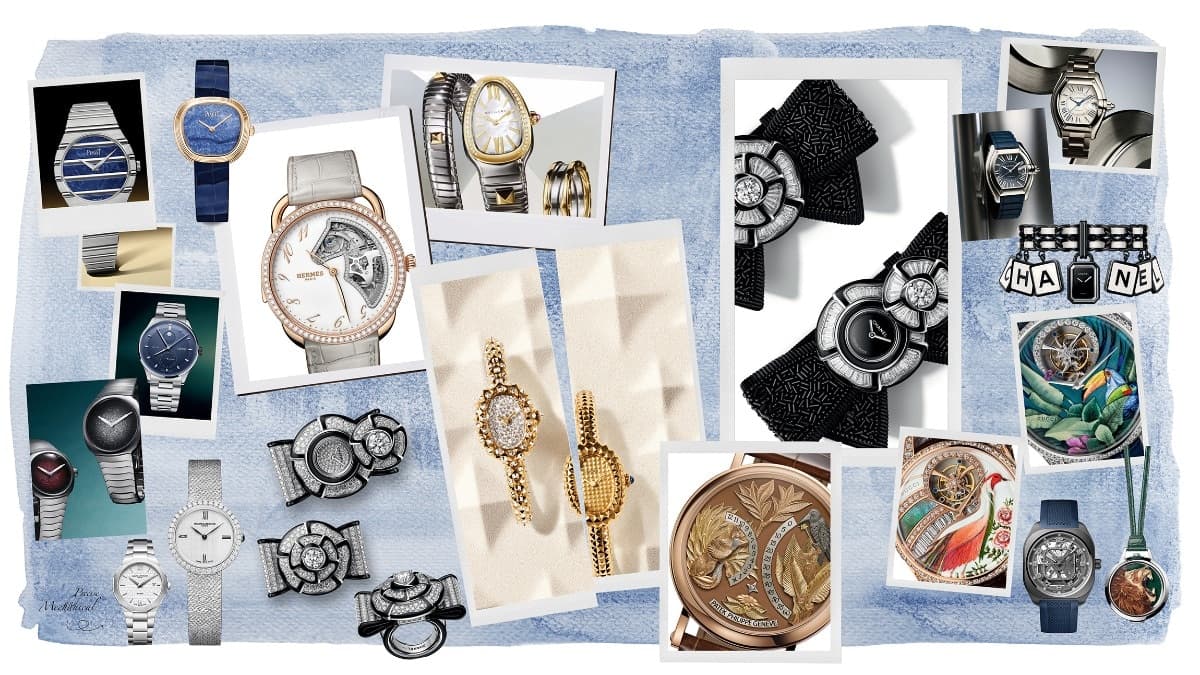
Geneva's watch fair drew nearly 60,000 unique visitors, but the clearest signal from Watches and Wonders 2026 was not size. It was craft: technical diamond work, vivid gem-setting and decorative watchmaking pushed so far that the most memorable pieces read like high jewelry first and timepieces second.
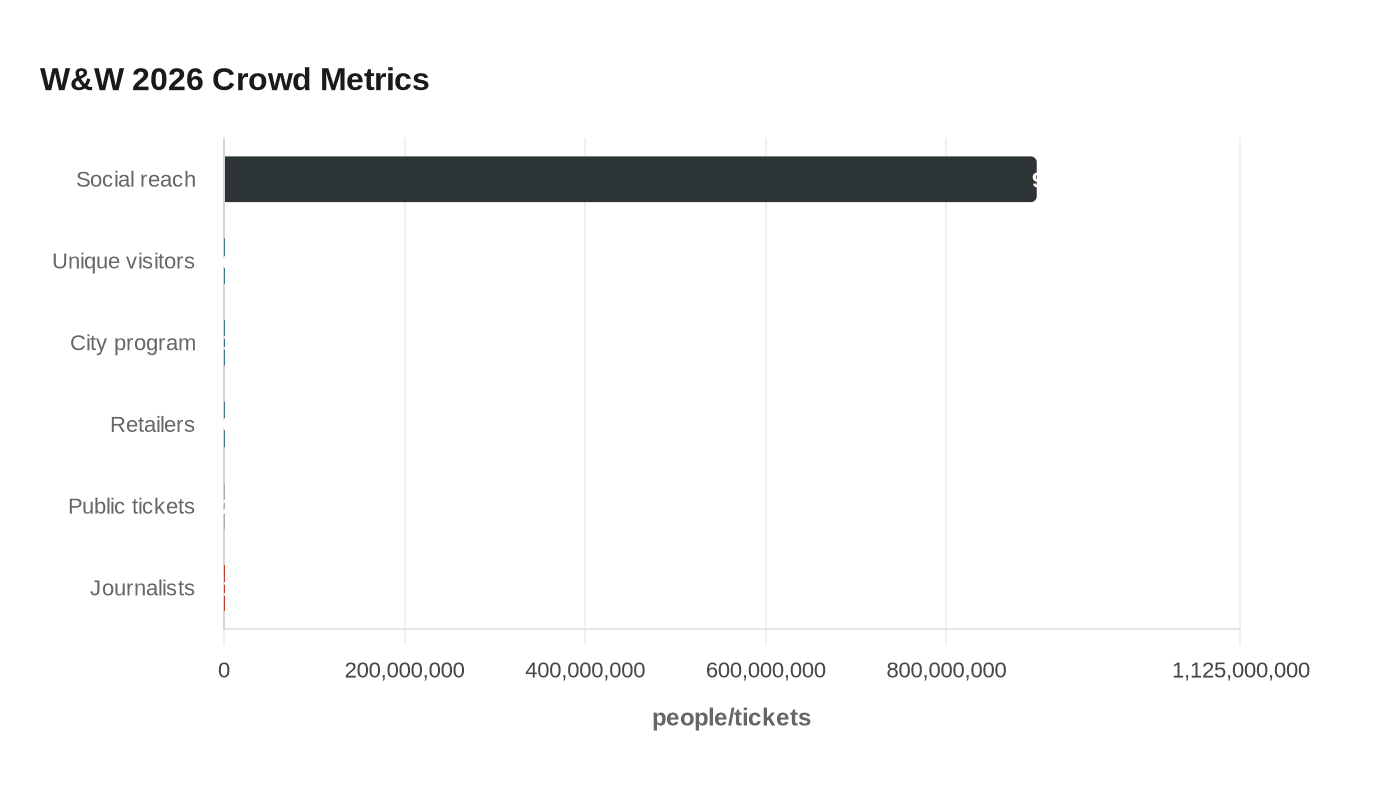
The 2026 edition ran from April 14 to 20, with public access from April 18 to 20. Organizers said 25,000 public tickets were sold, 1,750 journalists and 6,000 retailers attended, and social media reach climbed to about 900 million people, up 29 percent year over year. More than 10,000 people joined city-centre programming, including a new Montreux Jazz Club partnership on Quai Général-Guisan, as the fair kept extending its footprint beyond Palexpo and into Geneva itself.

That broader crowd matched a broader field. Sixty-five brands exhibited this year, including Audemars Piguet and ten newcomers, and the salon's visual language was clear: skeleton movements, compact proportions, color and métiers d'art. In other words, the maisons were not competing on size alone. They were competing on the precision of their setting, the calibration of their stones and the degree to which the watch case could behave like a jewel.
Hublot pushed the concept furthest. Its Big Bang Tourbillon Impact High Jewellery One Million contained 500 diamonds totaling about 44.60 carats, with custom-cut stones arranged in an interlocking vortex around a flying tourbillon. The design made the gemwork structural, not decorative, turning the movement into the center of a diamond architecture. Cartier took a different route with the Myst de Cartier bracelet, which required 112 hours to set, a reminder that labor remains visible even when the effect is light, fluid and seamless.
Van Cleef & Arpels added another layer of technical finesse with the Lady Retrouvailles Celeste, which used a patented technique to set diamonds directly into plique-à-jour enamel. That choice matters because the enamel is meant to admit light, not conceal it, so the stones become part of the translucence rather than sitting on top of it. Taken together, these pieces suggest where luxury watch design is heading: closer to jewelry in surface treatment, but also more exacting in engineering. In Geneva this year, the most persuasive luxury language was not simply sparkle. It was the discipline needed to make sparkle look inevitable.
This article was produced by Prism’s automated news system from verified source data, official records, and press releases, then run through automated quality and moderation checks before publishing. The system is built and supervised by the people who set the standards it runs under. Read our full AI policy.
Did this article answer your question?