2026 Market Shifts Reshape Valuation and Resale of Eco‑Friendly Jewelry and Watches
Provenance paperwork and sustainability claims now drive resale outcomes; lab‑grown stones remain easier to buy but historically trade at discounts versus natural gems.
1. Provenance and documentation as market currency
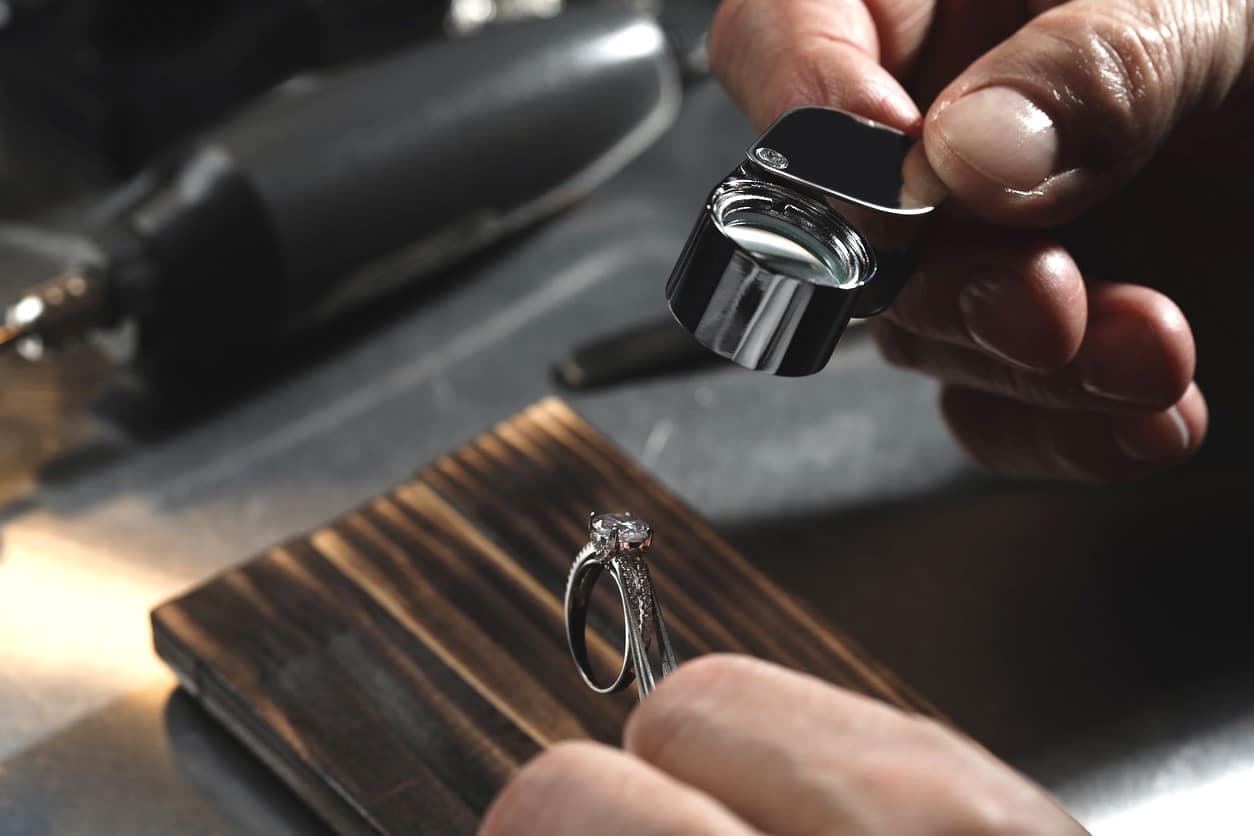
Worthy marketplace’s practical resale guide (published Feb 18, 2026) makes provenance documentation a central determinant of resale outcomes for eco‑friendly pieces. Prepare invoices, chain‑of‑custody notes, certification scans and any maker’s marks, Worthy explicitly flags provenance documentation as core to selling and valuing sustainability‑forward jewelry. Without clear paperwork, resale marketplaces and buyers default to discounting items, regardless of their sustainability story.
2. Materials that reshape valuation: recycled metals, lab‑grown gems, alternatives
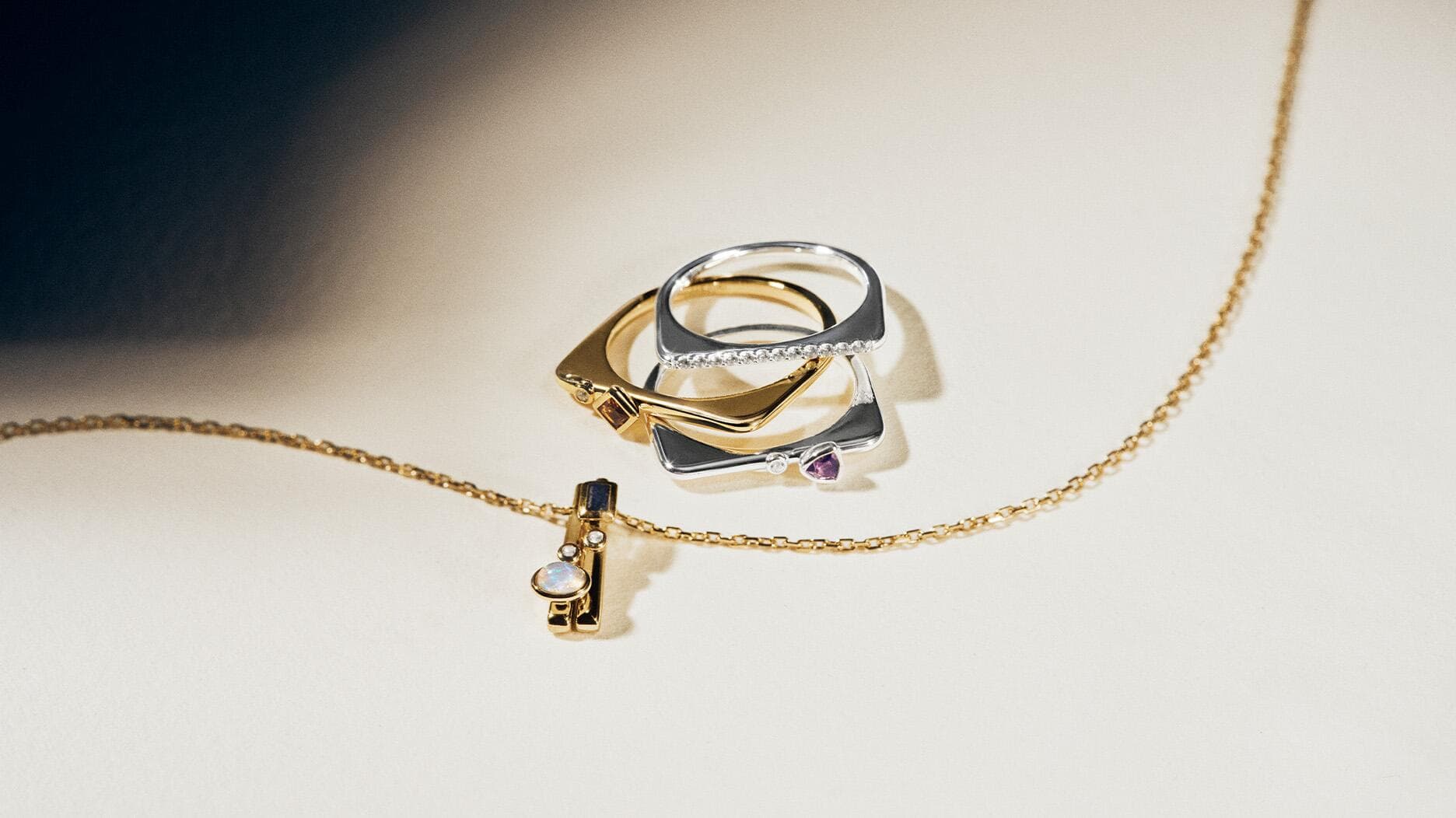
Across industry writing the most cited materials are recycled gold and silver, lab‑grown gemstones (man‑made diamonds), and "alternative materials." As Dovediamond puts it, "Sustainable luxury jewelry combines the allure of fine jewelry with the principles of sustainability," and it names "recycled gold and silver, lab-grown gemstones, and alternative materials" as explicit categories to watch. Each material carries a different resale profile: recycled metals are prized for traceability in some markets, lab‑grown gems are increasingly accepted for new purchases, and alternative materials command niche collector interest.
3. Resale differentials: lab‑grown versus natural stones
Worthy’s guide specifically raises "the resale discounts historically applied to lab‑grown vs natural stones," signaling that market behavior still values geological rarity. The research excerpts do not provide precise discount percentages, only the explicit observation that such discounts exist, so expect a consistent pricing gap when you compare resale offers for lab‑grown stones with comparable natural gems. If you own or are buying a lab‑grown stone for future resale, factor provenance and market demand into asking price expectations.
4. How buyers tell stories: three consumer value categories
Cervellon and Shammas (2013) identify "3 key categories of how consumers perceive the value of sustainable luxury. These categories are socio-cultural, ego-centered, and eco-centered values." Socio‑cultural buyers use sustainable pieces to signal identity and belonging; ego‑centered buyers seek personal benefits like "health, hedonism, guilt-free pleasure, and youthfulness"; eco‑centered buyers emphasize "doing good" and "not doing harm." Use these categories when assessing demand: pieces that align with multiple motivations, heritage craftsmanship plus ethical sourcing, tend to broaden resale appeal.
5. Design, durability and circularity as resale boosters
Design choices that emphasize longevity and repairability matter. Dovediamond highlights "designing for durability, using production methods that conserve resources, and creating pieces that can be easily recycled or repurposed at the end of their lifecycle," while Istanbuljewelryshow emphasizes that "Sustainable luxury focuses on timeless design and high-quality craftsmanship." Pieces intentionally made for repair, resizing and material recovery keep value because they fit the circular‑economy mindset buyers reward.
6. Ethical labor, artisanal craft and retailer policies
Ethical sourcing definitions in the material emphasize worker welfare: Dovediamond calls ethically sourced gemstones those mined with "fair wages, safe working conditions, and minimizing environmental degradation." Istanbuljewelryshow adds that "Sustainable luxury celebrates artisanal craftsmanship and traditional techniques" and that supporting artisans fosters "sustainable livelihoods for craftsmen and women around the world." Retailer policies vary: Alara Jewelry states, "By purchasing at Alara Jewelry, you are assured that you are being served by a leader in the sustainable jewelry space," and explicitly says it eschews stocking jewelry from China, India, Myanmar, Pakistan, Thailand "and the others on this list of countries" to avoid pieces "crafted in countries that use child labor." Treat such retailer exclusions as a declared policy, not an industry universal.

7. Positioning sustainability as exclusivity, messaging that moves market value
Academic work warns that sustainability and luxury can feel contradictory, luxury trades on rarity while sustainability often promotes reuse, but communication can bridge that gap. As Allstudyjournal notes, "using strategic positioning and communication that highlight attributes like ethical sourcing and craftsmanship brands can portray that sustainability increases exclusivity, which resolves the contradiction." Nancy Street of Lolovivijewelry frames the cultural shift succinctly: "Green fine jewelry is not a fad, it's the future of luxury." Brands that make provenance and craft intrinsic to desirability tend to protect resale premiums.
- Ask for provenance documentation up front: invoices, maker’s marks, export/import paperwork and any seller attestations. Clear documentation is the single item Worthy highlights as decisive for resale outcomes.
- Verify material claims: request a written statement about whether metals are recycled, whether gems are lab‑grown or natural, and whether any fair‑trade or ethical sourcing standards were followed. Dovediamond and Lolovivijewelry both name recycled metal and man‑made diamonds as pillar materials, get that language in writing.
- Factor resale differences into pricing: treat lab‑grown gems as likely to attract historically lower resale offers; Worthy explicitly flags those "resale discounts." Price your purchase or selling reserve with that in mind.
- Use circular services where offered: Alara notes "specific appointment types that directly engage you in the circular economy of fine jewelry", use trades, buyback or upcycle appointments to retain material value.
- Prioritize durable, repairable design: Istanbuljewelryshow recommends timeless craftsmanship and longevity; pieces built to be serviced typically preserve value better than fashion‑led items.
8. Practical buying and selling checklist you can use now
9. Where the record is thin and what to verify before you transact
The supplied materials contain explicit flags and gaps: Worthy names resale discounts for lab‑grown stones but provides no numeric ranges in these excerpts; Allstudyjournal references six consumer segments in a 2022 study but the segmentation details are truncated; and the notes contain no watch‑specific sustainability or valuation guidance. You should request hard numbers on resale discounts from resale platforms, demand copies of any provenance or certification documents from sellers, and ask retailers to explain how they determine country exclusions or material verification. Treat brand claims as starting points for verification rather than conclusive evidence.
10. Outlook: what market shifts mean for your purchasing and resale strategy
The market is bifurcating: sustainability credentials are increasingly the price of entry for resale marketplaces, yet material type and documentation still shape cold hard value, lab‑grown gems remain easier to buy but historically trade at discounts versus natural stones. Brands and retailers that fold provenance, artisanal craft and circular‑economy services into the product story can recast sustainability as exclusivity and protect resale premiums. If you want beauty without compromise, insist on paperwork, prioritize repairable design, and calibrate expectations for lab‑grown pieces versus natural stones, those are the practical behaviors the market is already rewarding as it reshapes valuation in 2026.
Know something we missed? Have a correction or additional information?
Submit a Tip