Couture 2026 leans into modular jewelry, craft, and colored stones
Couture 2026 proves minimalist jewelry is getting smarter, with long lariats, modular construction, and craft-led details taking the place of excess.
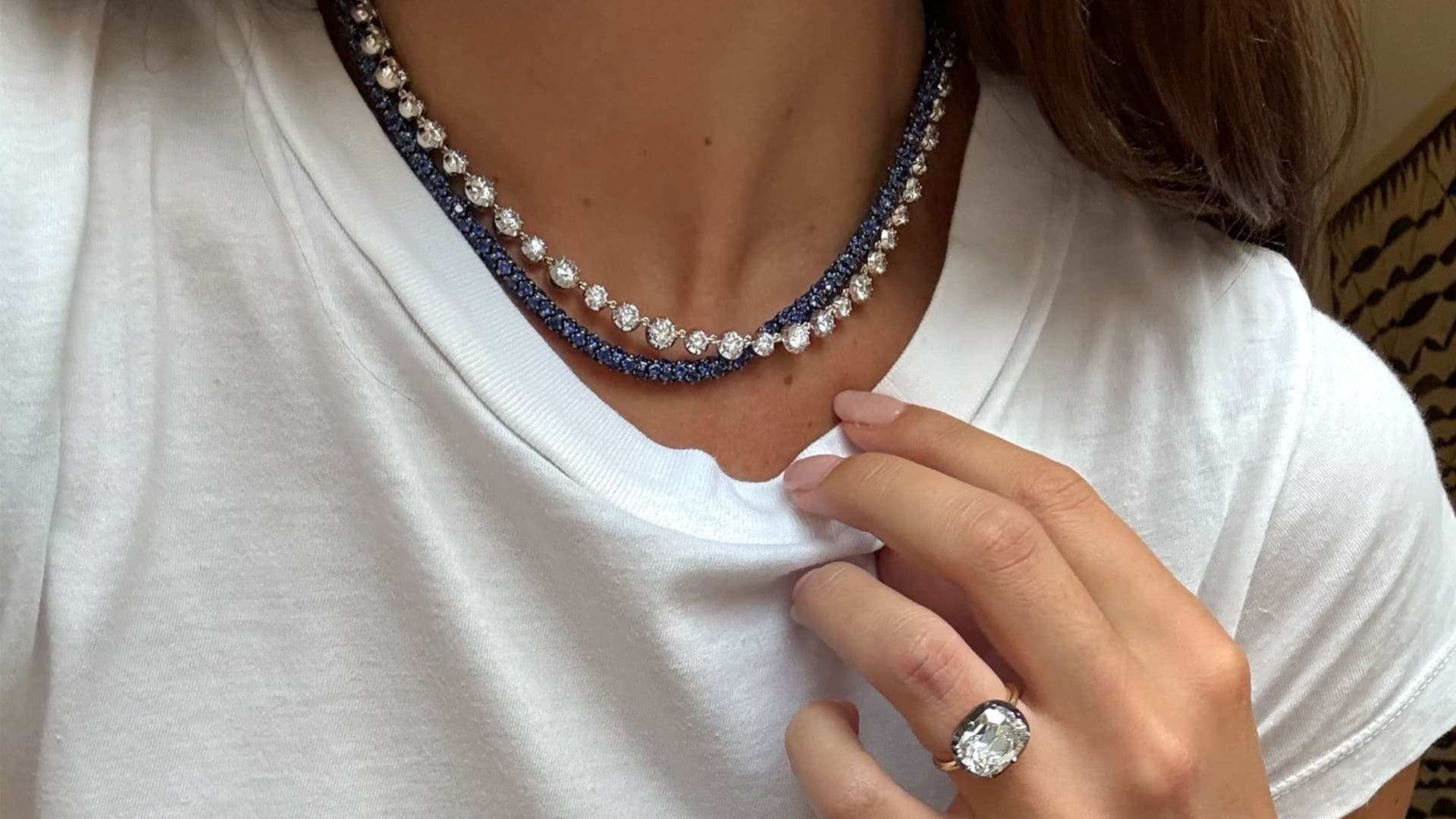
Minimalism at Couture 2026 was not about disappearing into the background. It was about making every line earn its place: a convertible lariat that changes shape with the outfit, a colored stone that carries the visual weight gold once did, a finish that looks hand-worked rather than overpolished. In Las Vegas, the clearest message from the Couture Jewelry Show was that restraint is still in style, but it now arrives with ingenuity, texture, and a sharper sense of value.
The new minimalist code: adaptable, not austere
Who What Wear’s Couture report captured the shift best by focusing on convertible lariat necklaces and a renewed attention to craft. That combination matters because it shows how minimalist jewelry is evolving away from plainness and toward pieces that can work multiple ways without losing elegance. A lariat that can hang long, be wrapped, or fastened differently gives the wearer more range than a static pendant, while still keeping the silhouette clean.
The same report also made it clear that designers were moving away from gold because of its cost, and that colored gemstones were filling part of that visual gap. For anyone building a pared-back jewelry wardrobe, that is the useful takeaway: the most current minimalist pieces are not necessarily the smallest, but the smartest. They are the ones that read as deliberate from across a room and still reward a closer look.
Wear this: modular lines, subtle utility, craft you can see
If the old minimalist rule was less is more, the 2026 version is more considered, not more ornate. The strongest pieces at Couture translated that idea into forms that feel practical without looking utilitarian for its own sake.
- Wear a long lariat necklace when you want one line that can stand alone or layer cleanly over a knit, shirt, or dress neckline.
- Wear convertible construction when you want a piece that can move from daytime restraint to evening polish without a full change of jewelry.
- Wear colored stones when you want interest without visual clutter, especially if the setting is slim and the stone shape is disciplined.
- Wear finishes that show handwork, whether brushed, hammered, or visibly refined, because the surface often does as much speaking as the stone.
Skip jewelry that relies on volume alone. Skip overbuilt pieces that use weight to imply importance. And skip maximalist ornament when the outline could have done the job better. Minimalism looks strongest in 2026 when the design has a point of view, not just a lack of excess.
Why gold is being used more sparingly
WWD’s reporting from Couture added the economic backdrop that explains the design shift. Gold prices had risen more than 40 percent over the prior year, and Goldman Sachs projected another 6 percent increase through the middle of 2026. That pressure is changing not only what designers choose, but how they build it.
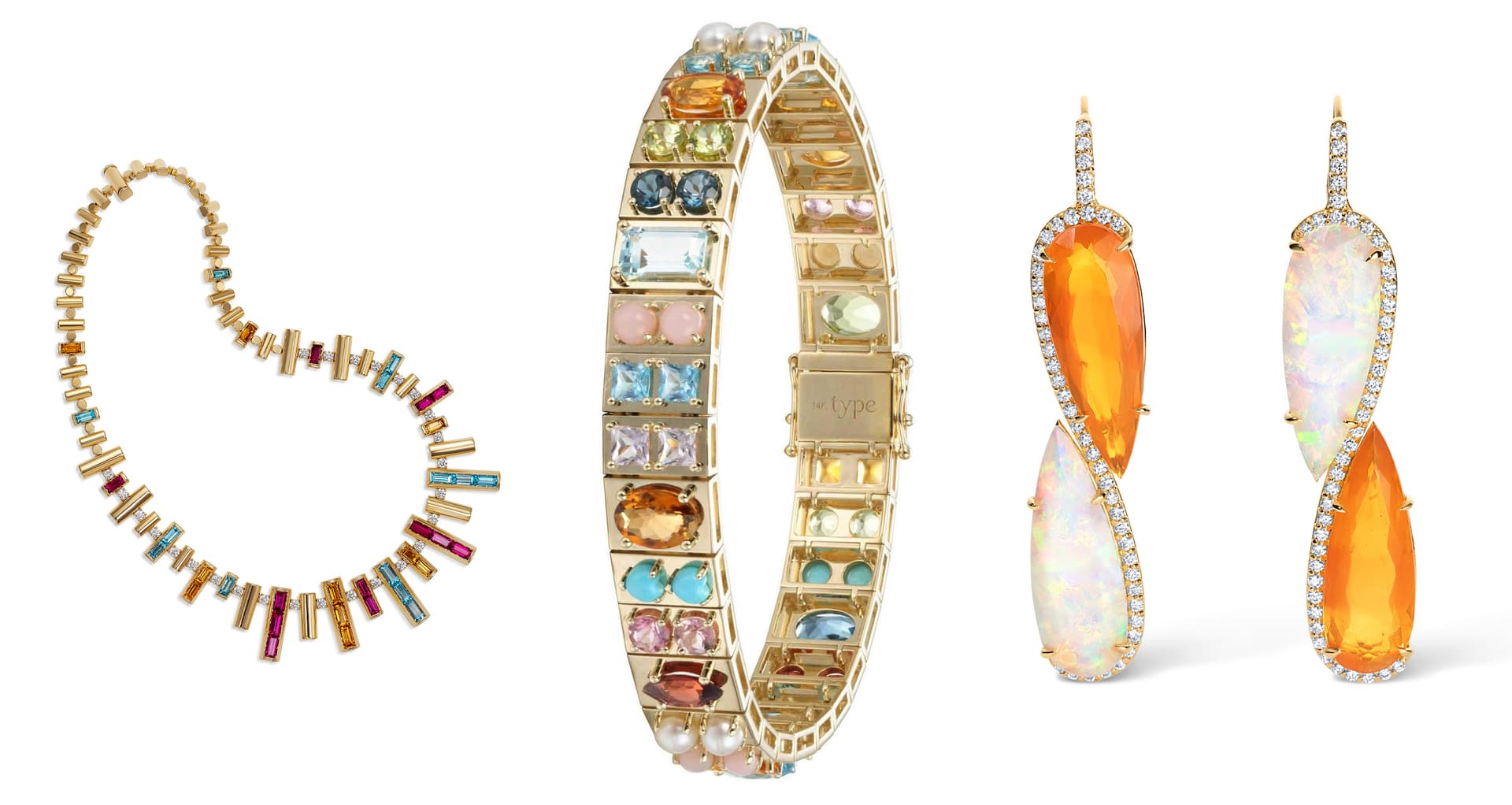
Independent jewelers are responding with platinum and silver, lighter gold weight, and altered production methods. For the customer, that can be a gift rather than a compromise. A leaner gold profile often makes a piece feel crisper and more contemporary, while platinum can bring a cooler, more architectural edge. Silver, when executed well, can make a minimalist design feel fresh instead of merely cost-conscious. The key is that the material choice should look intentional, not defensive.
The market is splitting, and minimalism is sitting in the right place
Retailers at Couture described the market as increasingly shaped by a K-shaped consumer, with demand strong at both the high and entry ends and weaker in the $5,000 to $10,000 retail sweet spot. That split helps explain why the most relevant minimalist jewelry now feels either clearly investment-level or intelligently accessible. The middle is harder to read, but the ends are becoming more distinct and more confident.
Buyers including Randi Udell-Alper, Alexandra Lippin, Jennifer Gandia, and Sarah Müllertz described a customer who is more selective and intentional than before, with a stronger appetite for longevity, craftsmanship, rarity, and personal significance. That is exactly where minimalist jewelry has an advantage. A piece with a spare profile can still feel intimate and specific if it is well made, which means it does not need scale to justify itself.
The names circling the conversation, from Stephen Webster and Annoushka Ducas to Charlotte Chesnais, John Loring, and Kinraden, point to the same broader truth: this market is rewarding design intelligence over noise. Clean geometry, useful construction, and evident handwork matter more than a crowded surface.
Paris confirmed the same direction
The mood did not stop in Las Vegas. WWD’s spring 2026 jewelry coverage from Paris Fashion Week found the same priorities in a different setting: self-expression, minimal lines, and craftsmanship. The report emphasized fewer, more precious pieces and modern interpretations of classic forms, which is precisely why the current minimalist conversation feels bigger than a single aesthetic.
Who What Wear’s spring 2026 jewelry coverage sharpened that picture further by calling out long lariat necklaces across brands such as Pomellato and Mikimoto. The publication suggested the silhouette could replace last summer’s tassel necklace trend, and that feels right. Tassels can read decorative; lariats feel directional. They give the neckline movement without turning it into a spectacle, which makes them one of the few runway ideas that translate cleanly into real wardrobes.
The minimalist update worth making now
The best jewelry update for 2026 is not about collecting more pieces. It is about choosing pieces with enough intelligence to do more work. A slender lariat, a color-forward stone, a modular clasp, a hand-finished surface, these are the details that keep minimalism from feeling flat.
If the old version of restraint was about subtraction, the new version is about precision. Couture made that plain: in a market shaped by expensive gold, selective spending, and a customer who wants meaning, the most compelling jewelry is the kind that looks edited rather than reduced. That is the real luxury now.
This article was produced by Prism’s automated news system from verified source data, official records, and press releases, then run through automated quality and moderation checks before publishing. The system is built and supervised by the people who set the standards it runs under. Read our full AI policy.
Did this article answer your question?


